ENGLISH EDITION · 全球新聞
Microsoft's new data center initiative: built with wood, reducing carbon emissions by 65%
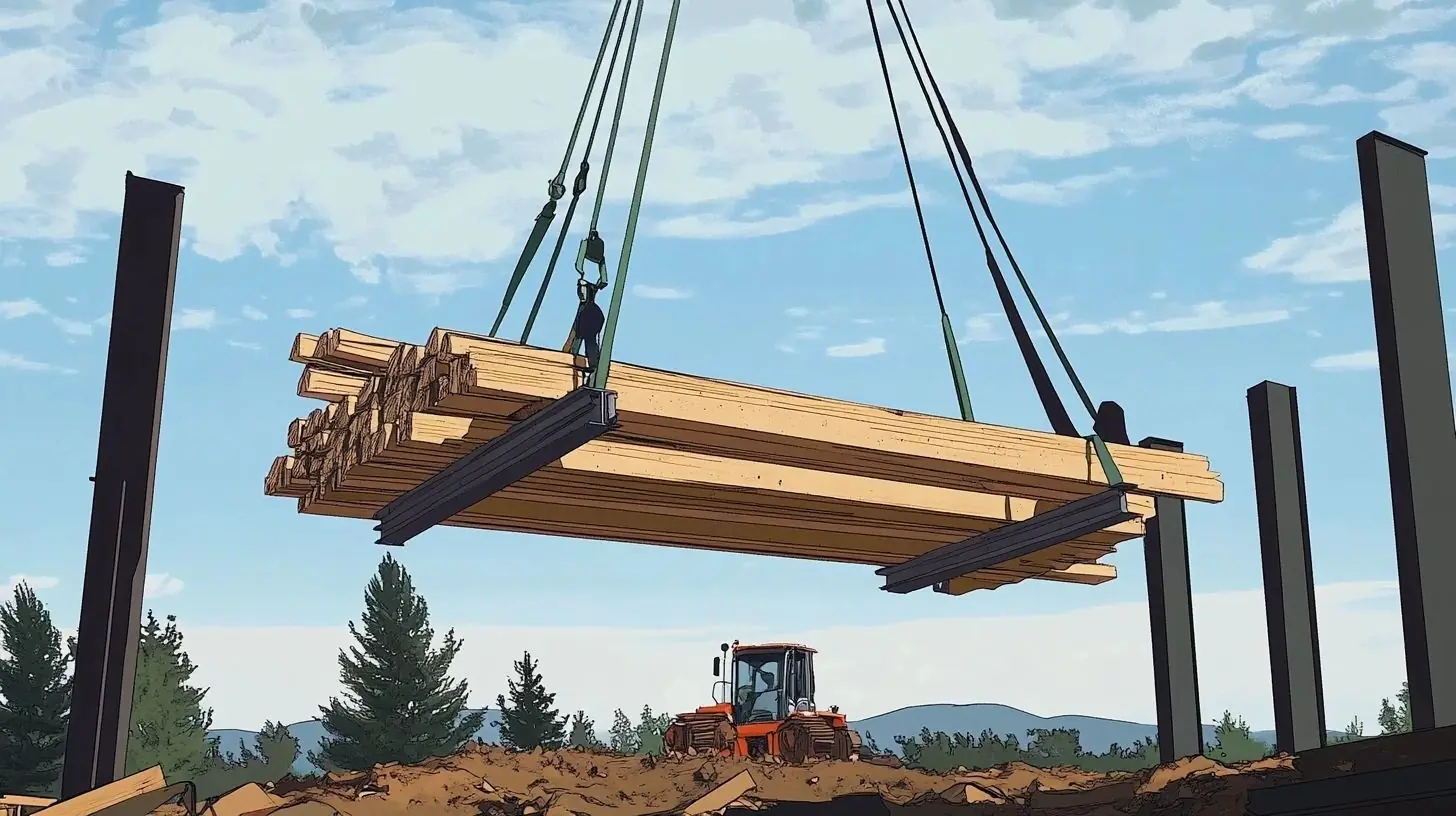
Microsoft is using wood as the main building material for the first time in the construction of its data center in Northern Virginia, replacing traditional steel and concrete with cross-laminated timber (CLT). This innovative initiative significantly reduces the carbon footprint during the construction process, reducing carbon emissions by up to 65%, becoming the industry leader in the field of sustainable construction.
This English edition remains available for review but is excluded from search indexing until editorial approval.
Executive Summary / Lead
Microsoft is using wood as the main building material for the first time in the construction of its data center in Northern Virginia, replacing traditional steel and concrete with cross-laminated timber (CLT). This innovative initiative significantly reduces the carbon footprint during the construction process, reducing carbon emissions by up to 65%, becoming the industry leader in the field of sustainable construction.
Company & Industry Context
The move not only responds to its goal of becoming a carbon-negative business by 2030, but also demonstrates the company's determination to pioneer the use of low-carbon building materials in high-demand data facilities. Through this building model, Microsoft hopes to set an example and promote broader sustainable building practices to reduce environmental impact. "This is an all-hands-on-deck effort," said Jim Hanna, director of sustainability for Microsoft's data center engineering team. He emphasized that achieving this transformation will not be easy, but Microsoft's commitment has driven broader industry changes and made low-carbon technologies and materials a mainstream choice.
Challenge / Why It Matters
Cross-laminated timber (CLT) is a type of timber stacked in layers that is fire-resistant and extremely stable, making it a low-carbon alternative to concrete. CLT chars rather than burns when burned, forming a natural insulation layer and reducing reliance on high-carbon emitting building materials. In addition, the wood is sourced from sustainable forests, consistent with Microsoft's environmental goals. To increase its stability and waterproofing, Microsoft covered the wood layer with a thin layer of concrete, further enhancing its durability.
Action / Solution / Implementation
David Swanson, Microsoft's data center structural engineer, added: "We are constantly testing whether these innovative materials are suitable for use in the special environment of the data center. This is a difficult challenge, but it also allows us to see more possibilities in the construction industry." In order to promote sustainable development, the "Climate Innovation Fund" was established and committed to investing US$1 billion to support the
Evidence / Results / Impact
advancement of low-carbon building materials and clean energy technologies. To date, the fund has invested $761 million in transformational technologies such as hydrogen-powered steel, which can reduce carbon emissions from the steel production process by up to 95%. These investments not only advance the research and development of low-carbon building materials, but also allow Microsoft to test and prove their feasibility at a commercial level.
Industry & Institutional Implications
Brandon Middaugh, manager of the Climate Innovation Fund, pointed out: "Microsoft not only provides financial support, but also signs purchasing contracts, which forms a strong support for the supply chain and ensures that these technologies can be actually applied and have an impact."
SNN Editorial / Evidence Infrastructure Perspective
Microsoft's innovative building solutions are driving a shift in the market toward sustainability, driving suppliers and builders to adopt more environmentally friendly building materials. Microsoft, with its massive demand and purchasing power, is able to experiment with innovative materials like CLT in commercial settings and provide success stories for other businesses. Although green buildings have higher initial costs, Microsoft's early adoption could lead to increased demand for these materials, lowering costs and helping the overall construction industry move toward net-zero emissions goals.
Future Outlook
"We need to be systems thinkers across the entire value chain of materials," Hanna concluded, emphasizing Microsoft's comprehensive approach to climate change. He pointed out that from the selection of materials to carbon reduction measures during the construction process, Microsoft is actively working to achieve environmental protection goals in the construction and overall operation of the data center.
Sources, author and editorial responsibility
Topic hub: 氣候與能源轉型
Translation status: ai-assisted-pending-review