ENGLISH EDITION · 全球新聞
LEGO reaches milestone of 50% sustainable materials for its bricks
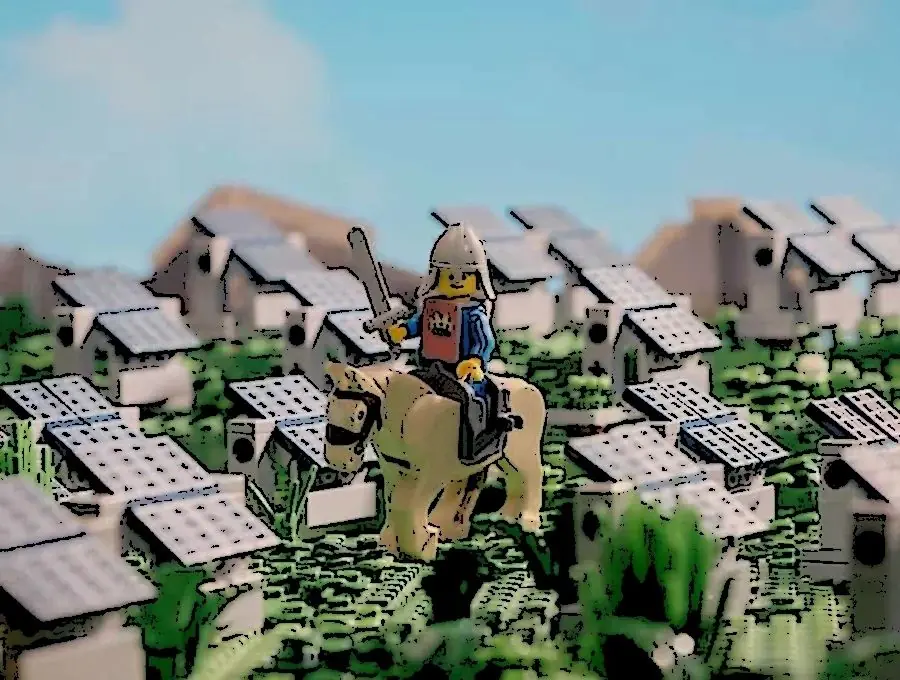
Lego bricks are known for their "sturdiness and durability", and many people still have bricks from decades ago. Now, this durability is being given new meaning. Through the "Built for Tomorrow" program, LEGO not only delivers its core values of quality and safety, but also extends its brand spirit to its vision of a "sustainable future."
This English edition remains available for review but is excluded from search indexing until editorial approval.
Executive Summary / Lead
Lego bricks are known for their "sturdiness and durability", and many people still have bricks from decades ago. Now, this durability is being given new meaning. Through the "Built for Tomorrow" program, LEGO not only delivers its core values of quality and safety, but also extends its brand spirit to its vision of a "sustainable future."
Company & Industry Context
A breakthrough towards sustainable materials
In 2024, LEGO reaches an important milestone in its sustainability journey: 50% of its building blocks are already sourced from sustainable sources, and it plans to reach a mass balance target of 53% by the end of the year. This step symbolizes the determination to phase out fossil-based plastics.
Challenge / Why It Matters
“This is a celebration of our journey towards sustainability and a reaffirmation of the durability of LEGO bricks,” said Annette Stube, Chief Sustainability Officer of LEGO. "Today, half of the raw materials we need to make our building blocks come from renewable resources, and we still adhere to the highest standards of quality, safety and durability to ensure that our building blocks can be passed down for generations."
To date, LEGO has experimented with more than 600 new materials, and some of the results include:
Action / Solution / Implementation
In the future, with the opening of a commercial e-methanol facility in Denmark in 2025, LEGO plans to introduce it into brick production to further reduce its carbon footprint.
e-methanol: the next generation energy power building block
e-Methanol is a synthetic fuel made by combining "green hydrogen" with captured carbon dioxide. It is regarded as a carbon reduction solution for industries such as shipping, heavy industry and chemicals that are difficult to electrify. LEGO's introduction into building block production is not only a material innovation, but also a microcosm of energy transformation.
Recycling: Replay and green packaging
Launched in 2018, the LEGO Replay program has recycled and redistributed more than one million pounds of used bricks in the United States, Canada and the United Kingdom, allowing them to continue to inspire creativity rather than end up in landfills.
Evidence / Results / Impact
In terms of packaging, Lego has gradually phased out disposable plastic bags and replaced them with recyclable paper alternatives to further implement a circular economy.
Energy transition and carbon reduction blueprint
On the operational side, Lego has grown its global solar capacity by 61% over the past two years, in line with its 2032 goal of reducing carbon emissions by 37%.
In addition, LEGO tires currently have 30% recycled content and have invested US$140.5 million in research and development to explore new environmentally friendly alternative materials such as rSEBS, bio-PE and arMABS.
Work with WWF partners
Industry & Institutional Implications
The Planet Promise design guidelines, developed in partnership with WWF Denmark, guide more than 600 LEGO designers to incorporate sustainability into their brick themes and set designs. A survey shows that 94% of parents believe that "games can cultivate children's understanding of sustainability," and LEGO is using this tool to transform this concept into daily gaming experiences.
SNN Editorial / Evidence Infrastructure Perspective
From toys to sustainable models
From "durable building blocks" to "sustainable innovation", LEGO's transformation story shows how a classic brand continues to push the boundaries of materials, energy and design while adhering to quality.
Future Outlook
LEGO is using its own influence to tell the world that classic toys can also be "built into the future" - Built for Tomorrow.
Sources, author and editorial responsibility
Topic hub: 企業與供應鏈
Translation status: ai-assisted-pending-review