ENGLISH EDITION · 全球新聞
Aker and Microsoft Link Engineering and Digital MRV for CCS and Carbon Removal Projects
Aker Solutions and Microsoft will combine engineering, data, AI and digital MRV to support CCS and carbon-removal projects toward investment decisions, with no project capacity or investment value disclosed.
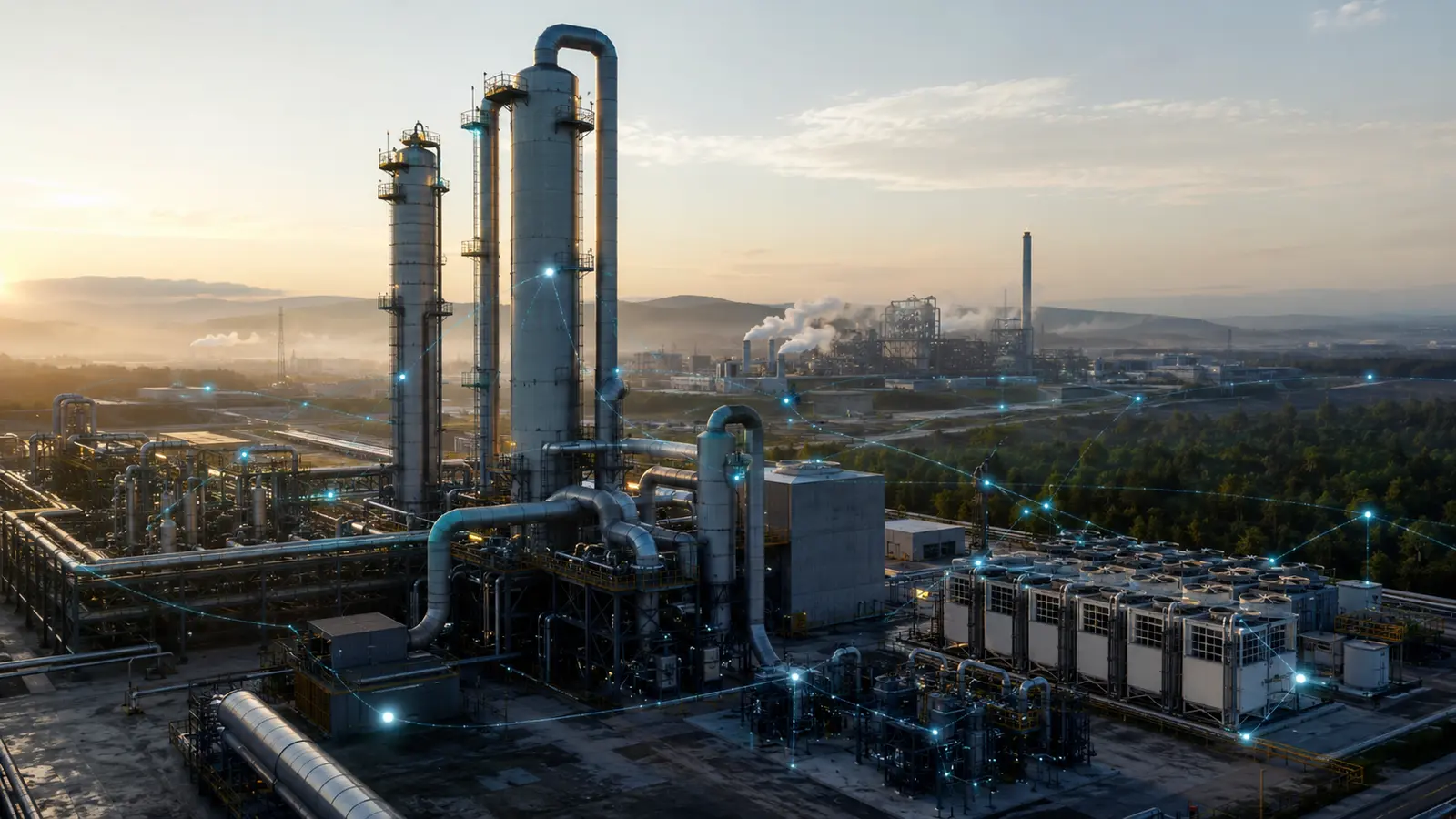
Executive Summary / Lead
Aker Solutions and Microsoft have announced a collaboration to improve the maturity, bankability and delivery of carbon capture and storage and carbon dioxide removal projects. The scope runs from early feasibility to operations, but no project capacity or investment value was identified.
Company & Industry Context
Large CCS and CDR projects connect emitters, transport, storage, engineering contractors, carbon markets and monitoring data. Aker brings advisory and engineering, procurement and construction capabilities, while Microsoft contributes data, AI, digital MRV and carbon-market experience.
Challenge / Why It Matters
Many projects stall before final investment decisions because costs, long-term liability, storage integrity, demand and carbon-credit revenues remain uncertain. Digital tools may improve information but cannot replace geological, engineering and financial due diligence.
Action / Solution / Implementation
The companies say they will engage developers, emitters, transport and storage providers and other stakeholders to reduce execution risk and strengthen investment readiness. Selected projects may receive integrated support from feasibility through operations.
Evidence / Results / Impact
The collaboration agreement and division of capabilities are verifiable. The announcement provides no contracted project, capture volume, final investment date or delivered abatement, so intended support is not yet an achieved outcome.
Industry & Institutional Implications
Earlier integration of engineering, MRV and financing information could shorten decisions and improve accountability. Without shared data standards, however, digitalisation may create another layer of fragmented evidence.
SNN Editorial / Pre-Disclosure Evidence Infrastructure Perspective
SNN editorial analysis: For Taiwan hard-to-abate sectors including steel, cement, petrochemicals and power, the lesson from the Aker and Microsoft collaboration is not to treat AI or digital MRV as delivered abatement. It is to place engineering design, geology and storage responsibility, contracts, financing conditions, measurement data and final investment decisions in one Pre-Disclosure Evidence Infrastructure. Taiwan plans to use CCUS in its net-zero transition, but a foreign collaboration announcement does not prove suitability for Taiwan sites. Local projects still need evidence of site fit, energy use, storage integrity, long-term liability and independent verification before international experience becomes investable and governable in Taiwan.
Future Outlook
Next evidence should identify initial projects, investment decisions, MRV methods, data governance and measured capture or removal outcomes.
Sources, evidence chain and editorial responsibility
Source publication: ESG Today · Original author: Mark Segal · Original publication date:
External institutional and reporting sources
These external announcements, rules, studies and reports support the discussion and are displayed separately from the original publication.
- Original monitored publicationESG TodayAker, Microsoft Partner to Advance Carbon Capture and Removal Projects ↗Published 2026-08-25 · Accessed 2026-08-26
合作範圍; 能力分工; 尚未公布專案容量或投資額
- Primary anchorAker SolutionsAker Solutions to accelerate carbon capture and removal projects with Microsoft ↗Published 2026-08-24 · Accessed 2026-08-26
已簽署合作協議; CCS 與 CDR 專案成熟度及可融資性; 工程、AI、資料與數位 MRV 分工; 推進最終投資決策
- Taiwan market-context source行政院國家永續發展委員會我國淨零轉型關鍵技術 CCUS 發展規劃 ↗Published 2025-10-08 · Accessed 2026-08-26
台灣 CCUS 淨零角色、2035 年規劃貢獻與本地發展脈絡
Topic hub: 氣候與能源轉型