ENGLISH EDITION · 議題探討
The Linear Reduction Collision: Why Climate Governance Is Becoming an Evidence Allocation Problem
Proposed EU ETS revisions connect the 2040 trajectory, milestone-based finance and permanent removals, requiring capital release, long-term liability and continuous verification to be governed together.
This English edition remains available for review but is excluded from search indexing until editorial approval.
Executive Summary / Lead
Proposed EU ETS revisions connect the 2040 net-emissions trajectory with industrial finance, independent verification and permanent removals, suggesting climate governance is becoming an evidence-allocation problem.
Company & Industry Context
The proposal includes an Industrial Decarbonisation Bank, milestone-based funding, procurement of permanent removals and wider monitoring coverage. These instruments jointly affect capital, performance responsibility and long-lived environmental assets.
Challenge / Why It Matters
Milestone finance releases capital against execution, while permanent removals require multi-decade monitoring, identity continuity, reversal-risk control and liability. Annual reporting alone cannot support that time horizon.
Action / Solution / Implementation
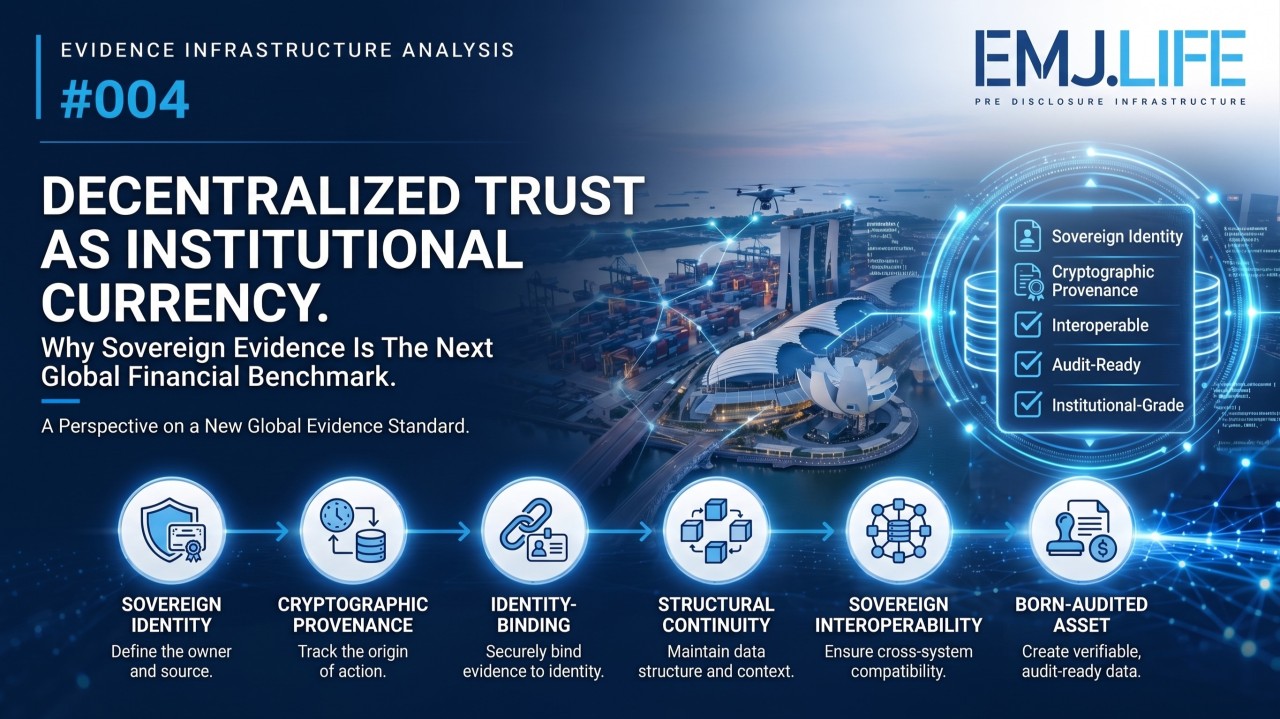
Projects need continuous links among operational activity, verification results, funding milestones, carbon-asset identity and long-term responsibility so that each capital release and asset state can be traced.
Evidence / Results / Impact
The proposal reserves substantial allowances for mature decarbonisation technologies and plans certified BioCCS and DACCS procurement from 2031. All quantities and schedules remain subject to final legislation.
Industry & Institutional Implications
Compliance may become a byproduct of operational evidence rather than a year-end documentation exercise. For smaller operators, embedded verification is more feasible than maintaining large compliance teams.
SNN Editorial / Evidence Infrastructure Perspective
SNN editorial analysis: Evidence Allocation is an institutional interpretation of relationships among funding, verification and liability, not an official EU term. Human review must confirm quantities and dates against primary texts.
Future Outlook
Next steps include legislative negotiations, Industrial Decarbonisation Bank design, removal certification and liability rules. The draft must not describe proposed measures as obligations already in force.
Sources, author and editorial responsibility
Source publication: SustainabilityNewsNetwork.net · Original author: Anderson Yu · Original publication date: 2026-07-19
International original and supporting sources
- Sustainability News Network original source ↗
- climate.ec.europa.eu original source ↗
- LinkedIn original source ↗
Topic hub: 氣候與能源轉型
Translation status: ai-assisted-pending-review