ENGLISH EDITION · 議題探討
Potentially Extreme 2026-27 El Nino Raises Cascading Food, Health and Energy Risks
Models indicate the 2026-27 El Nino could become very strong, but this remains probabilistic. Historical episodes show why food, health, water, energy and ecosystem preparedness must be integrated.
Executive Summary / Lead
Reporting drawing on models and experts indicates that the 2026-27 El Nino could reach very strong intensity and peak between November and January. This is a probabilistic forecast, not a confirmed scale of disaster.
Company & Industry Context
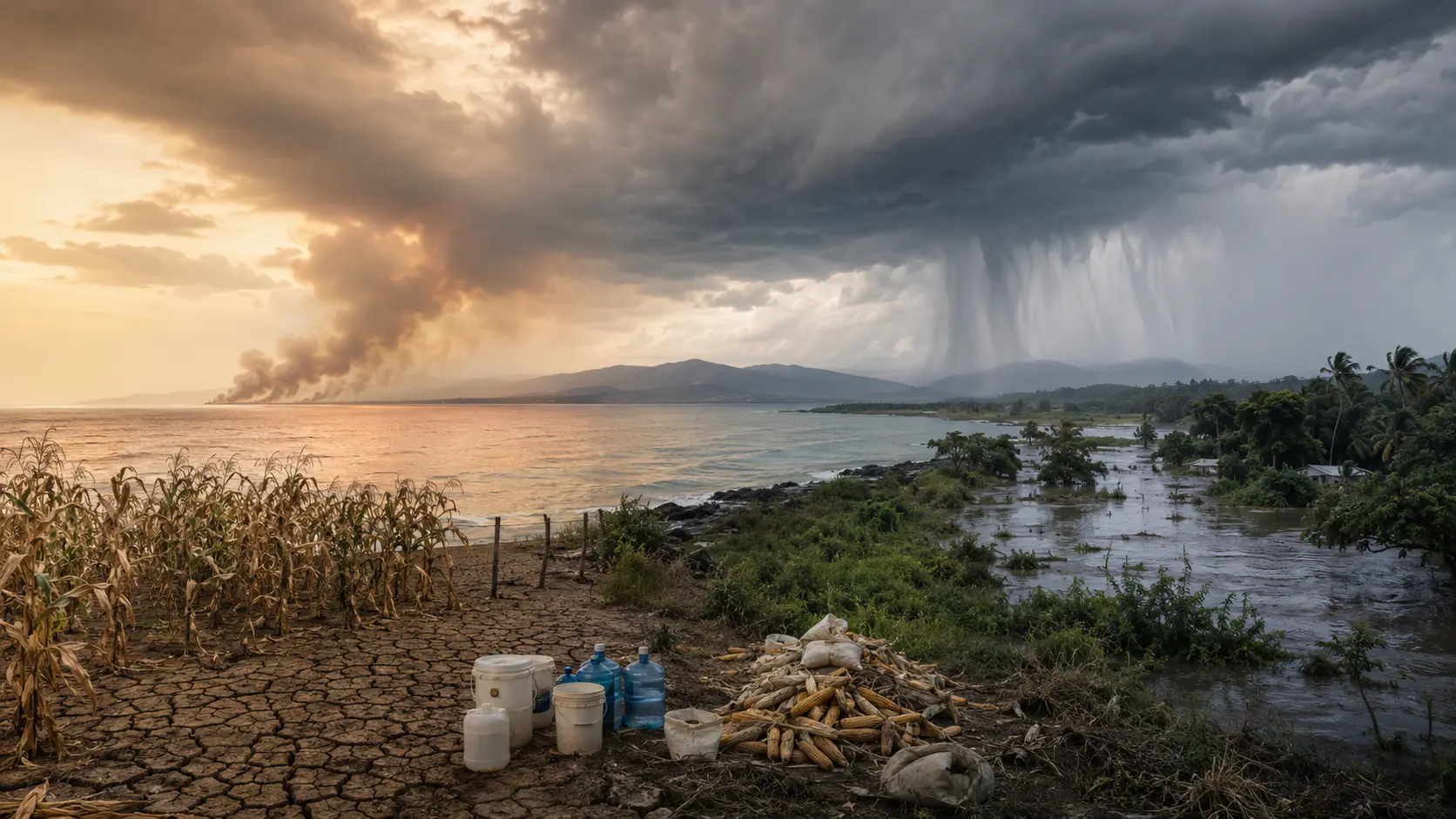
Previous strong El Ninos affected rainfall, drought, heat, fire, food, hydropower, disease and ecosystems at the same time. Climate change raises the background temperature and can intensify cascading impacts.
Challenge / Why It Matters
The same El Nino can produce opposite rainfall outcomes across regions, so a global label cannot replace local forecasts. Weaker health systems, social protection and infrastructure amplify long-term human and economic damage.
Action / Solution / Implementation
Governments can activate heat-health plans, food and water buffers, disease surveillance, vaccine and supply preparation, agricultural contingencies, irrigation and cross-sector early warning while prioritising high-risk groups.
Evidence / Results / Impact
The source cites models giving a 90 percent chance of a very strong event and a 69 percent chance of exceeding past records. These probabilities can change with model updates, while historical mortality and loss estimates also vary by method.
Industry & Institutional Implications
El Nino is a compound stress test for supply chains, public finance, insurance, energy and health governance rather than a single weather event. Anticipatory action should be assessed through avoided loss and resilience outcomes.
SNN Editorial / Pre-Disclosure Evidence Infrastructure Perspective
SNN editorial analysis: For Taiwan, a strong El Nino is not one global alert but a versioned risk spanning reservoir operations, agriculture and fisheries, electricity demand, public health and supply chains. Pre-Disclosure Evidence Infrastructure should retain every Central Weather Administration forecast version, probability and validity period, then connect them to agency trigger thresholds, resource allocations, action dates and outcomes. Early action is the transferable lesson. The boundary is that global model probabilities cannot be treated as proof that Taiwan will necessarily face drought or water shortage; local decisions must keep updating with seasonal and regional forecasts.
Future Outlook
Next checks should follow monthly model updates, regional warnings, government preparedness resources and measured impacts, then test whether early action reduced harm and disruption.
Sources, evidence chain and editorial responsibility
Source publication: Eco-Business · Original author: Sean Mowbray, Mongabay.com · Original publication date:
External institutional and reporting sources
These external announcements, rules, studies and reports support the discussion and are displayed separately from the original publication.
- Monitored syndication recordEco-BusinessPast El Ninos offer a warning as unprecedented event looms ↗Published 2026-08-25 · Accessed 2026-08-26
Eco-Business 轉載紀錄; 全球糧食、健康與能源風險敘事
- Primary original publicationMongabayWorld must look to the past to prepare for likely unprecedented El Nino ↗Published 2026-08-24 · Accessed 2026-08-26
專家訪談; 歷史衝擊; 九十百分比與六十九百分比模型敘述; 跨部門提前行動
- Primary scientific anchorNOAA Climate Prediction CenterOfficial NOAA CPC ENSO Probabilities ↗Published 2026-08-13 · Accessed 2026-08-26
二〇二六至二〇二七聖嬰機率預測; 非常強及歷史級事件機率; 預測版本與不確定性
- Supporting official evidenceWorld Meteorological OrganizationStrong El Nino expected to intensify ↗Published 2026-07-31 · Accessed 2026-08-26
強聖嬰發展情勢; 區域風險與預警需求
- Taiwan market-context source交通部中央氣象署氣候服務入口網 ↗Published 2026-08-26 · Accessed 2026-08-26
台灣 ENSO、季節氣候監測與預報版本的官方來源
Topic hub: 氣候與能源轉型