ENGLISH EDITION · 全球新聞
Emerald AI Raises USD 150 Million for Data-Centre Grid Flexibility
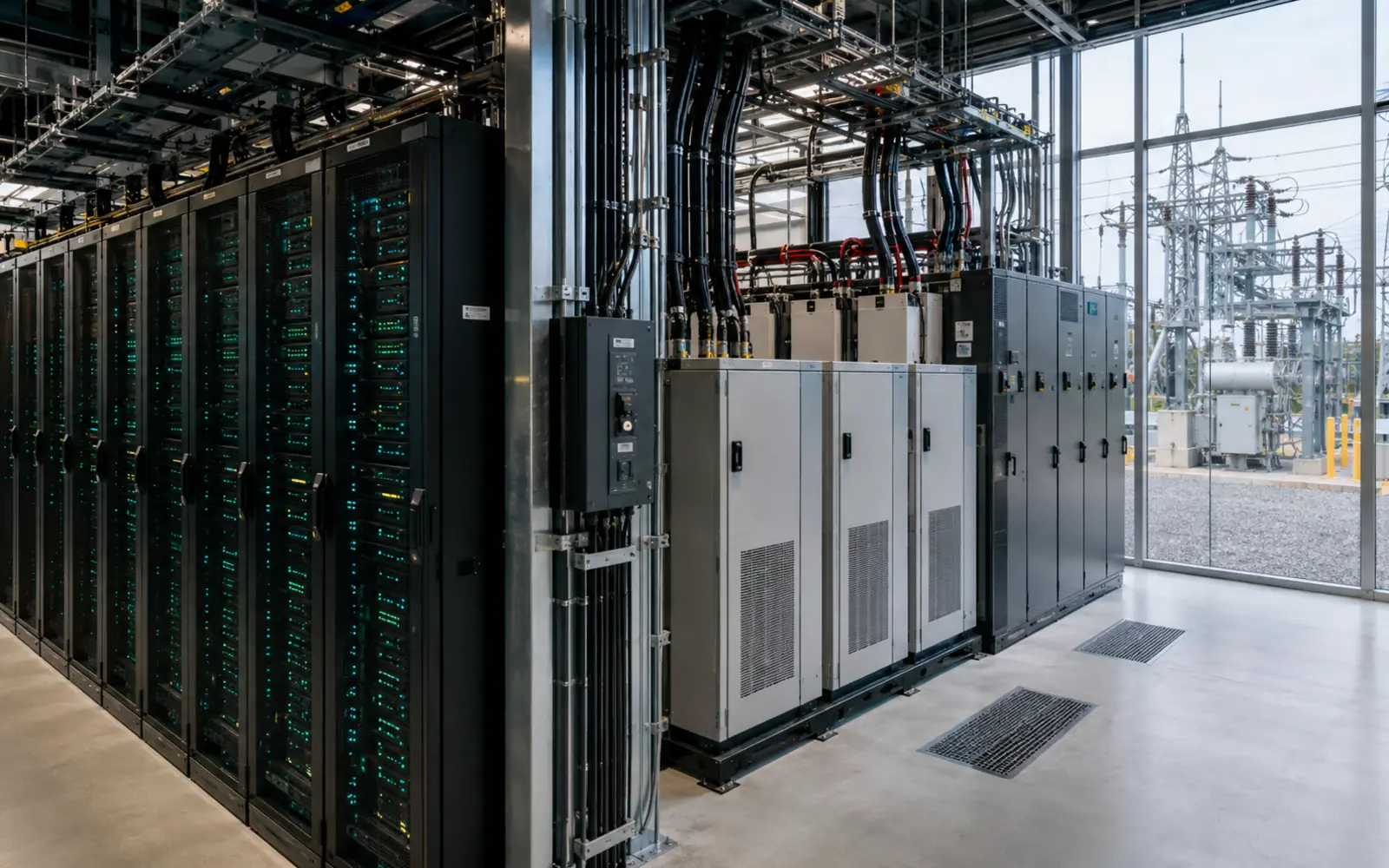
Emerald AI raised USD 150 million at a USD 1.05 billion valuation to scale software that coordinates computing workloads and onsite energy so AI data centres can adjust power use during grid stress.
Executive Summary / Lead
Emerald AI raised USD 150 million in Series A funding at a USD 1.05 billion valuation to scale software coordinating AI workloads and onsite energy resources.
Company & Industry Context
Founded in 2024, the company says its Emerald Conductor platform can turn data centres from fixed loads into grid-responsive assets, adjusting demand during stress while protecting critical computing.
Challenge / Why It Matters
AI electricity demand is rising faster than many grid expansions. Flexibility may relieve some interconnection constraints, but it must demonstrate effects on workloads, resilience, customer bills, emissions and system reliability.
Action / Solution / Implementation
The company plans to deploy with AI firms, data-centre operators and utilities. Its investor group includes technology, energy and venture-capital organisations.
Evidence / Results / Impact
Emerald AI reports five commercial demonstrations and a full-data-centre California deployment during peak grid stress. Its estimate that the approach could unlock more than 100 GW on the existing U.S. grid remains a company projection requiring external validation.
Industry & Institutional Implications
Data-centre demand response links electricity management with compute scheduling, creating potential grid services while introducing baseline, availability, event-performance and double-counting risks.
SNN Editorial / Pre-Disclosure Evidence Infrastructure Perspective
SNN editorial analysis: Taiwan data-centre, semiconductor and cloud operators using compute flexibility should retain grid events, load baselines, dispatch instructions, workload effects, backup activation and emissions factors. AI optimisation cannot replace auditable power measurements.
Future Outlook
Next checks should cover paid deployments, third-party measurement methods, available capacity, performance across power markets and effects on community electricity costs.
Sources, evidence chain and editorial responsibility
Source publication: ESG Today · Original author: Kenny Fisher · Original publication date:
Original publication
External institutional and reporting sources
These external announcements, rules, studies and reports support the discussion and are displayed separately from the original publication.
- Primary first-party anchorEmerald AIEmerald AI Raises $150M Series A at $1.05B Valuation ↗Published 2026-08-25 · Accessed 2026-08-27
一點五億美元募資與十點五億美元估值; 五項示範與商業部署敘述; Emerald Conductor 的調度功能
- Controlled distribution recordBusiness WireEmerald AI Raises $150 Million Series A at $1.05 Billion Valuation to Scale Power-Flexible AI Data Centers ↗Published 2026-08-25 · Accessed 2026-08-27
募資發布時間與投資人; 商業擴張方向; 資料中心電力彈性主張
Topic hub: 氣候與能源轉型