ENGLISH EDITION · 全球新聞
Google Commits USD 60 Million to Expand U.S. Data-Centre Water Stewardship
Google has announced USD 60 million in new water-stewardship commitments across Arizona, Indiana, Ohio, Oklahoma and Virginia, expanding its watershed portfolio around data-centre regions.
This English edition remains available for review but is excluded from search indexing until editorial approval.
Executive Summary / Lead
Google has announced USD 60 million in new U.S. water-stewardship commitments supporting projects in Arizona, Indiana, Ohio, Oklahoma and Virginia. The company says its portfolio now exceeds 165 projects across 97 watersheds and reaches 12 states.
Company & Industry Context
Google aims to replenish 120 percent of freshwater consumed by its offices and data centres by 2030. An existing SNN static article records the earlier USD 17 million, seven-state commitment and 165-project portfolio. This draft preserves that article and creates a substantive update for the new amount and five-state interventions.
Challenge / Why It Matters
Data-centre water use is highly local, and money committed or projects counted do not equal water already replenished. Projects differ in start date, baseline, seasonality, watershed proximity and ecological effect. A global total cannot by itself offset pressure in a particular community.
Action / Solution / Implementation
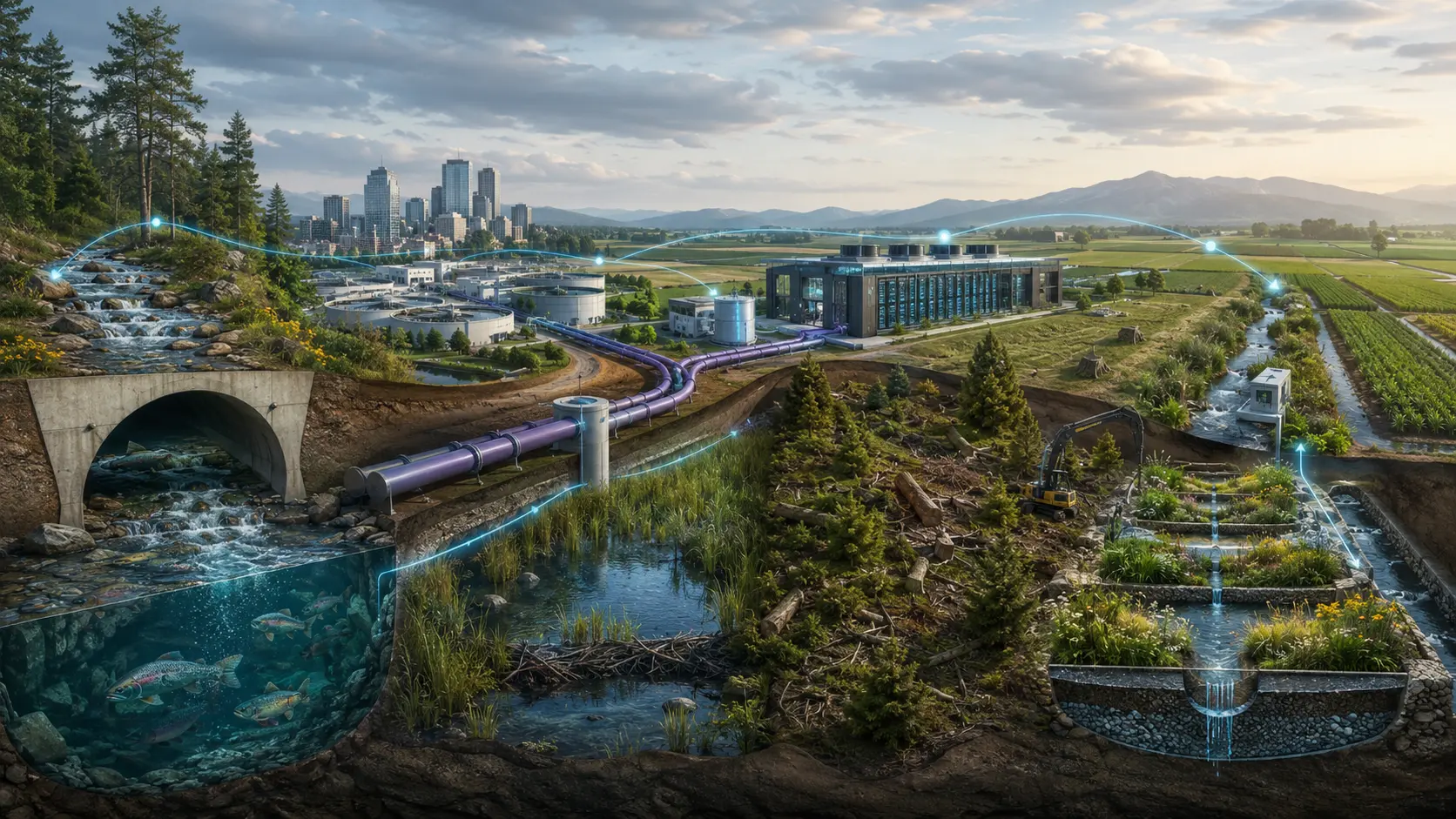
The new portfolio includes culvert replacement and trout habitat in Arizona, reclaimed-water use in Indiana, agricultural drainage management in Ohio, invasive cedar removal and wetland restoration in Oklahoma, and stormwater filtration for the Chesapeake and Roanoke watersheds in Virginia.
Evidence / Results / Impact
USD 60 million is a new commitment, while 165 projects, 97 watersheds and 12 states indicate portfolio reach. They do not show that all work is complete or replenishment realised. Contracts, construction, annual measurement, third-party methods and actual watershed benefits require project-level verification.
Industry & Institutional Implications
Technology-company water stewardship is expanding from on-site efficiency into agriculture, habitat, reuse and urban runoff. This can address distinct watershed risks but also raises requirements for comparability, community participation and outcome attribution.
SNN Editorial / Evidence Infrastructure Perspective
SNN editorial analysis: A credible replenishment chain should connect data-centre location and water baseline to project contracts, watershed baselines, intervention, timing and durability, realised volumetric benefit and ecological or community outcomes. Commitment, completion, measurement and target achievement must remain distinct.
Future Outlook
Next checks should cover construction and annual benefits in all five states, progress toward Google's 120 percent goal for 2030, performance in drought years and community participation and benefit.
Sources, evidence chain and editorial responsibility
Source publication: ESG Today · Original author: Mark Segal · Original publication date: 2026-08-21
Controlled publication records
Topic hub: 企業與供應鏈
Translation status: ai-assisted-pending-review