ENGLISH EDITION · 全球新聞
Mantel Raises USD 18 Million to Commercialise High-Temperature Carbon Capture
MIT spinout Mantel has raised USD 18 million to deploy molten-borate, high-temperature carbon capture in heavy industry. Its energy and cost advantages remain company claims pending field validation.
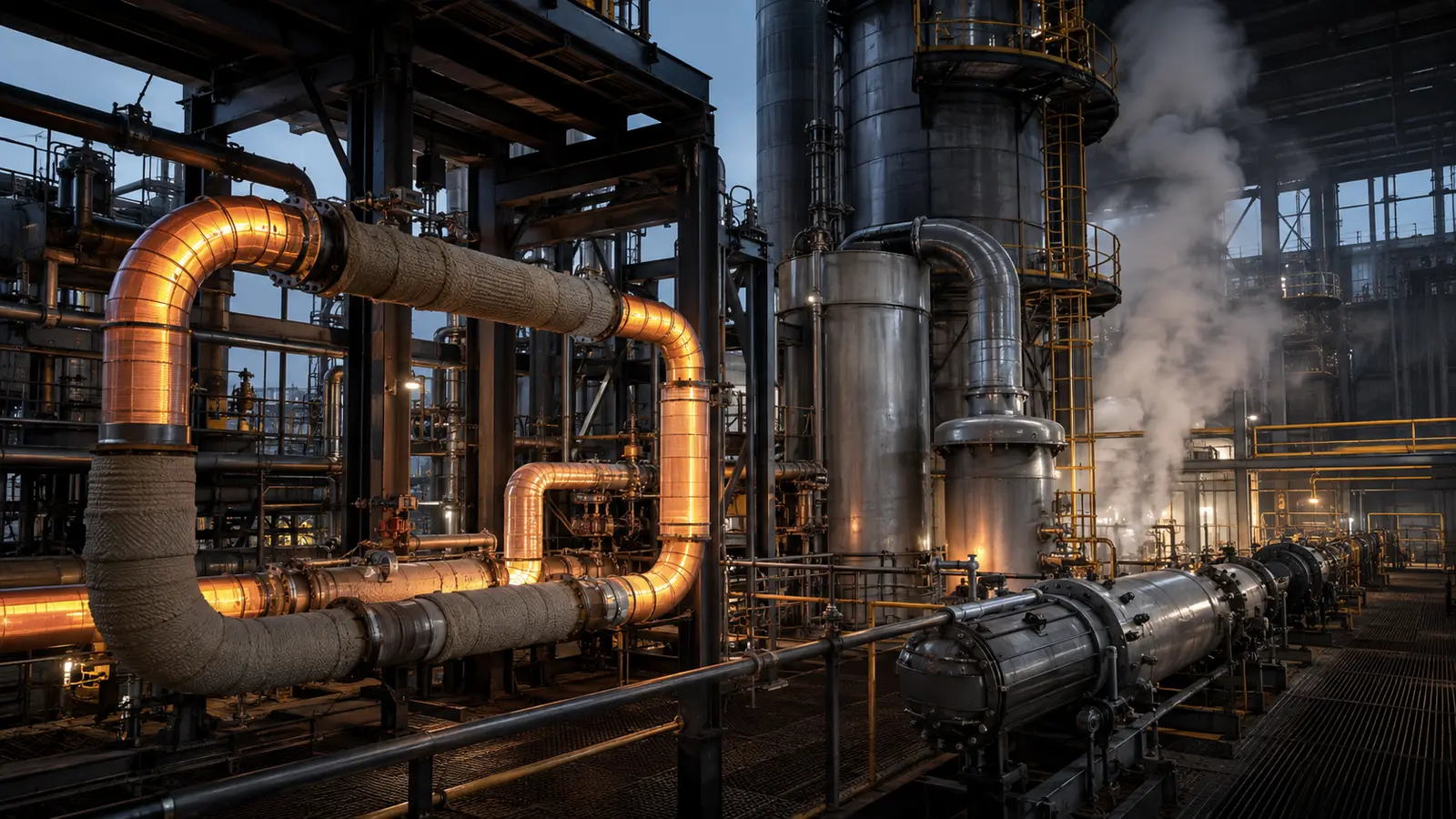
Executive Summary / Lead
Carbon-capture startup Mantel has raised USD 18 million to move its high-temperature liquid-phase system into power, oil and gas, and pulp-and-paper applications. The company says total capital raised has reached USD 50 million.
Company & Industry Context
Spun out of MIT chemical engineering in 2022, Mantel uses a molten-borate loop to capture carbon dioxide at industrial temperatures and recover heat as high-pressure steam.
Challenge / Why It Matters
Carbon capture is constrained by energy penalties, corrosion, material life, integration downtime and downstream transport and storage costs. Laboratory efficiency must be demonstrated again in continuous commercial operation.
Action / Solution / Implementation
The financing includes strategic investments from Constellation Technology Ventures and Azimut Investments and will support commercial deployment. The company cites applications in Canadian energy and paper operations and a West Virginia data-centre energy campus.
Evidence / Results / Impact
The financing and deployment direction are public. Claims of 97 percent lower energy loss and costs below half the industry average lack a complete baseline, operating hours and independent verification in the source and therefore remain unverified claims.
Industry & Institutional Implications
Successful high-temperature heat integration could improve capture economics. Weak material durability or insufficient downstream storage could still prevent system-level scale.
SNN Editorial / Pre-Disclosure Evidence Infrastructure Perspective
SNN editorial analysis: For Taiwan steel, cement, petrochemical, paper and combustion-intensive industries, Mantel's financing shows that modular high-temperature capture is seeking commercial validation, but funding and company performance claims are not evidence of local deployment. Taiwan should use Pre-Disclosure Evidence Infrastructure to fix flue-gas conditions, energy penalties, material durability, capture rates, unit costs, transport and storage interfaces, maintenance responsibility and long-term performance before decisions, then test suitability through local demonstrations and independent measurement.
Future Outlook
Next checks should cover commercial unit size, continuous-operation data, third-party validation and the first measured volumes permanently stored.
Sources, evidence chain and editorial responsibility
Source publication: ESG Today · Original author: Kenny Fisher · Original publication date:
External institutional and reporting sources
These external announcements, rules, studies and reports support the discussion and are displayed separately from the original publication.
- Original monitored publicationESG TodayMantel Raises 18 Million to Commercialize Carbon Capture Solution for Heavy Industry ↗Published 2026-08-25 · Accessed 2026-08-26
本輪募資一千八百萬美元; 累計募資五千萬美元; 商業部署方向
- Primary anchorMantel Capture via GlobeNewswireMantel Raises Strategic Investment from Constellation Technology Ventures and Azimut to Scale Commercial Carbon Capture Deployment ↗Published 2026-08-24 · Accessed 2026-08-26
投資人; 本輪與累計募資金額; 北美與歐洲重工業部署
- Supporting first-party evidenceMantel CaptureMantel Selected as 2026 World Economic Forum Technology Pioneer ↗Published 2026-06-10 · Accessed 2026-08-26
熔融硼酸鹽技術說明; 商業部署進度; 魁北克示範案每年二千噸目標
- Taiwan market-context source行政院國家永續發展委員會我國淨零轉型關鍵技術 CCUS 發展規劃 ↗Published 2025-10-08 · Accessed 2026-08-26
台灣 CCUS 淨零角色、2035 年規劃貢獻與本地發展脈絡
Topic hub: 氣候與能源轉型