ENGLISH EDITION · 全球新聞
Senken and Carbonsate Sign 50,000-Tonne Biomass Storage Carbon Removal Agreement
Senken and Carbonsate have signed a multi-year offtake agreement for 50,000 tonnes of permanent carbon removal from biomass storage, with delivery planned from 2026 through 2028.
This English edition is available for independent reading and search discovery.
Executive Summary / Lead
Senken and Carbonsate announced a multi-year purchase agreement covering 50,000 tonnes of permanent carbon removal from a biomass storage project in Namibia. Deliveries are planned from 2026 through 2028.
Company & Industry Context
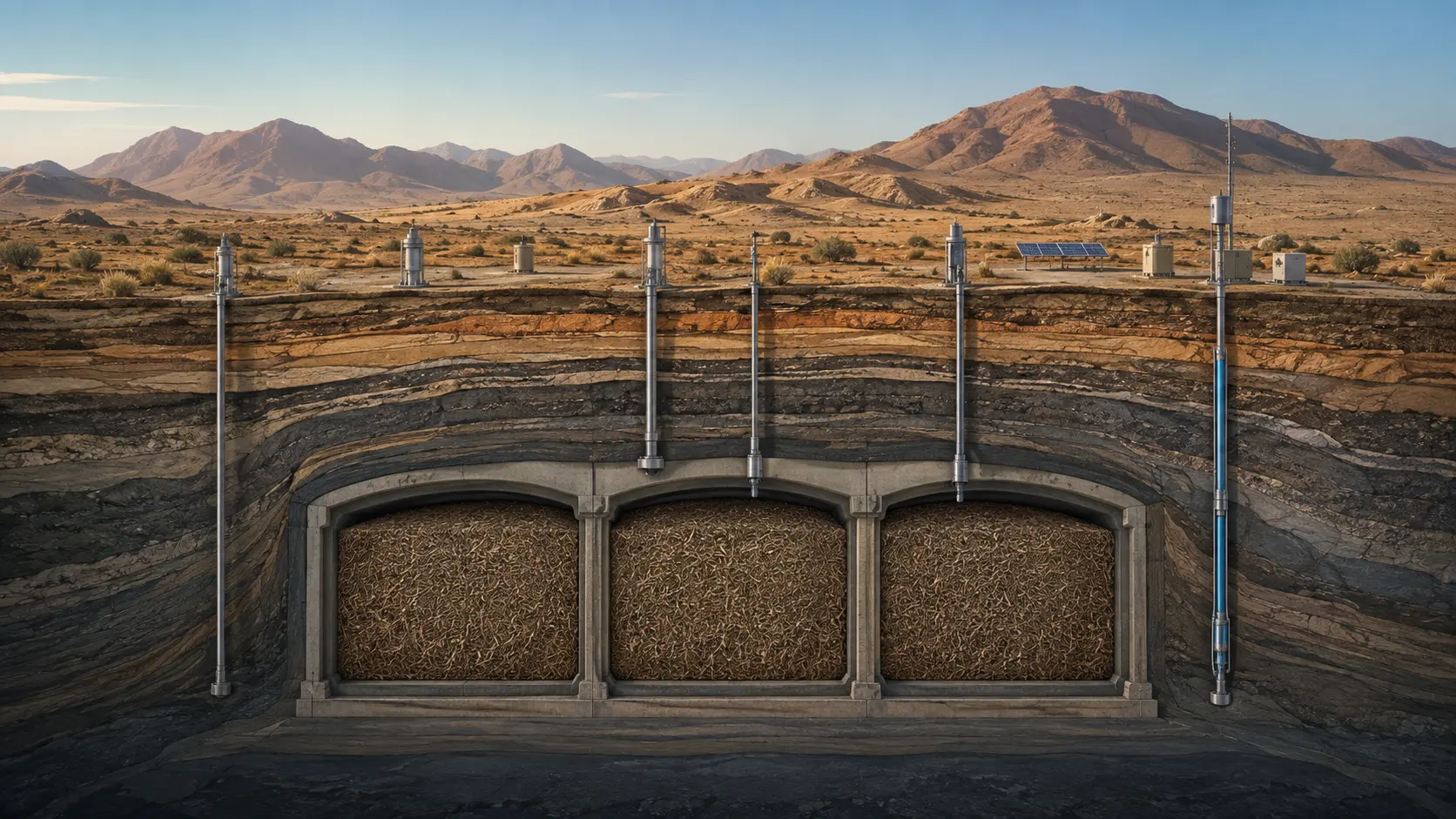
Carbonsate's approach stores waste woody biomass that might otherwise decompose or burn in engineered underground conditions. Senken operates a platform that evaluates and connects carbon-removal supply with buyers.
Challenge / Why It Matters
Biomass carbon removal depends on additionality, feedstock provenance, long-term durability and leakage controls. Large purchases cannot support credible climate claims without traceable methods and continuing monitoring.
Action / Solution / Implementation
The source says the project will use a proprietary monitoring, reporting and verification system and Puro.earth verification. Buyers should also preserve contract batches, delivery years, project boundaries and retirement records.
Evidence / Results / Impact
The agreement covers 50,000 tonnes. Carbonsate describes it as one of Europe's largest biomass-storage purchases. Senken says its platform assesses more than 600 data points and rejects about 95 percent of candidate credits. These are company claims requiring editorial verification.
Industry & Institutional Implications
The transaction indicates that durable carbon removal is moving from small trials toward multi-year offtake. Procurement standards may increasingly focus on delivery risk, durability, MRV and evidence of credit retirement.
SNN Editorial / Evidence Infrastructure Perspective
SNN editorial analysis: Purchased tonnage is not a substitute for environmental integrity. Credibility depends on a verifiable chain connecting each feedstock batch, storage location, monitoring result and credit lifecycle.
Future Outlook
Next checks should cover first delivery in 2026, third-party verification, actual retirements and storage monitoring, together with the methodology behind the companies' scale and rejection-rate claims.
Sources, author and editorial responsibility
Source publication: ESG Today · Original author: Kenny Fisher · Original publication date: 2026-08-18
International original and supporting sources
Topic hub: 氣候與能源轉型
Translation status: editorially-reviewed