
議題探討
全球飢餓降至約 6.45 億人,農村投資仍須串接土壤、土地權、冷鏈與市場
SNN.TW 編輯報導SNN.TW Editorial Reporting
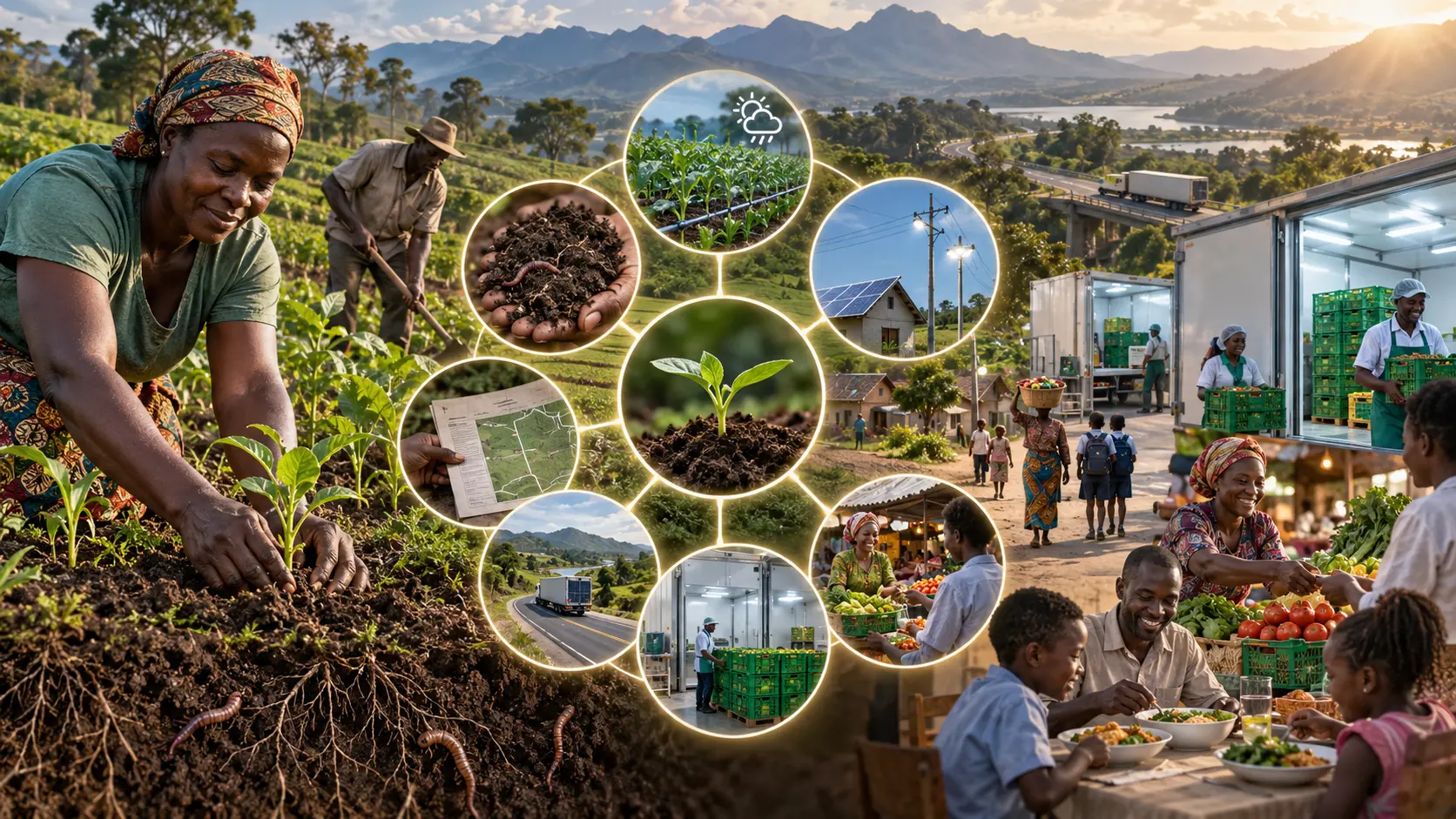
Eco-Business 實質更新的觀點文章指出,2025 年全球約 6.45 億人面臨飢餓,較前一年減少約 1,400 萬人。若要延續改善,投資需同時處理土壤健康、技術、土地權、電力、冷鏈、道路與市場。
Global Hunger Falls to About 645 Million, but Rural Investment Must Link Soil, Land Rights and Markets
A materially updated Eco-Business commentary says about 645 million people faced hunger in 2025, around 14 million fewer than a year earlier. Sustained progress requires investment in soil health, technology, land rights, electricity, cold chains, roads and markets.
重點摘要
Executive Summary / LeadEco-Business 在本次掃描區間發布或實質更新此事件。文章引用 2025 年約 6.45 億人面臨飢餓、較前一年減少約 1,400 萬人的估計,並指出非洲首次出現十年來下降,但農村、女性與弱勢群體差距仍大。
Eco-Business published or materially updated this event within the verified scan window. The commentary cites an estimate of about 645 million people facing hunger in 2025, around 14 million fewer than a year earlier, and notes the first decline in Africa in a decade while rural, gender and vulnerability gaps remain.
企業與產業背景
Company & Industry Context作者主張不能只擴大耕地,應投資土壤健康、技術、土地權與公共基礎設施。 本稿以來源可核對的事件、數字與主體重寫,不沿用來源文章段落結構。
The author argues against relying on farmland expansion and instead calls for soil health, technology, land rights and public infrastructure. This SNN draft rewrites only source-supported events, figures and entities without reproducing the source article's paragraph structure.
挑戰與重要性
Challenge / Why It Matters飢餓是收入、生產力、儲存、能源、道路、市場、衝突與氣候風險的綜合結果。 重要性在於承諾、資本配置或政策分類若缺少清楚邊界,可能被市場誤讀為已完成成果。
Hunger reflects combined income, productivity, storage, energy, road, market, conflict and climate risks. The central issue is that a commitment, capital allocation or policy label can be mistaken for a completed outcome when its boundary is unclear.
行動、方案與執行
Action / Solution / Implementation投資方案需建立地區基準、受益者、土地權、技術採用、損耗、價格與營養結果的連續紀錄。 執行時應保存適用範圍、責任人、方法版本、核准節點與例外處理,使後續來源審查可以重現判斷。
Investment programmes need continuous records for local baselines, beneficiaries, tenure, adoption, loss, prices and nutrition outcomes. Implementation should preserve scope, accountable owner, method version, approval checkpoints and exception handling so a later Source Review can reproduce the decision.
證據、成果與影響
Evidence / Results / Impact全球估計與政策建議支持方向判斷,但不代表每項投資在所有地區都有相同效果。 目前證據僅支持已揭露的事實與計畫,不足以證明所有預期效益已實現。
Global estimates and policy arguments support the direction, but do not show that every intervention works equally in every place. The current evidence supports only the disclosed facts and plans. It does not establish that every anticipated benefit has already been achieved.
產業與制度意涵
Industry & Institutional Implications農村發展若只看投入金額,可能忽略分配、公平與真正降低飢餓的結果。 對產業與制度而言,下一步關鍵是把資金、技術或政策標籤轉成可量測、可比較、可追溯的營運紀錄。
Rural development measured only by money spent may miss distribution, equity and actual hunger reduction. For markets and institutions, the next step is to convert finance, technology or policy labels into measurable, comparable and traceable operating records.
SNN 編輯與揭露前證據基礎設施觀點
SNN Editorial / Pre-Disclosure Evidence Infrastructure PerspectiveSNN 編輯分析:此事件對台灣的金融、製造、能源、科技、運輸與供應鏈管理者具有治理借鏡。揭露前證據基礎設施應以穩定的事件、資產、契約、供應商與版本身分串接原始文件、計算方法、時間戳、責任人、核准狀態、例外、修正與查核軌跡。針對「全球飢餓降至約 6.45 億人,農村投資仍須串接土壤、土地權、冷鏈與市場」,企業不應只保存結論或新聞剪報,而應保存來源取得時間、適用邊界、基準年、分母、資料品質、估計值、實測值、控制措施與後續結果。台灣企業若引用相關減碳、韌性、自然或投資主張,董事會、財務、法遵、採購、永續與內部稽核應能讀取同一版證據,並看見尚未驗證、已撤回或被新資料取代的欄位。對供應鏈資料還需記錄誰提供、誰轉換、何時鎖版,以及跨系統傳遞是否改變單位或涵蓋範圍。這能降低在查核前臨時補件、把承諾誤寫成成果、或以單一數字掩蓋例外的風險。此段為 editorial analysis 與 editorial interpretation,不是來源已驗證事實。
SNN editorial analysis: This event offers governance lessons for Taiwan finance, manufacturing, energy, technology, transport and supply-chain teams. Pre-Disclosure Evidence Infrastructure should use stable identities for the event, asset, contract, supplier and version, then connect source documents, calculation methods, timestamps, accountable owners, approval state, exceptions, corrections and assurance history. For “Global Hunger Falls to About 645 Million, but Rural Investment Must Link Soil, Land Rights and Markets,” an organisation should retain more than a conclusion or news clipping. It should preserve when the source was retrieved, the applicable boundary, base year, denominator, data quality, estimates, measurements, controls and subsequent outcomes. If a Taiwan company relies on the related climate, resilience, nature or investment claim, its board, finance, compliance, procurement, sustainability and internal-audit teams should be able to inspect the same evidence version and see which fields remain unverified, were withdrawn, or were superseded. Supplier data should also show who supplied it, who transformed it, when it was locked and whether system transfers changed units or coverage. This reduces last-minute evidence reconstruction before assurance, prevents commitments from being reported as results and makes exceptions visible instead of hiding them behind one aggregate number. This paragraph is editorial interpretation, not a source-verified fact.
未來展望
Future Outlook後續應追蹤農村女性、非洲趨勢、糧損、收入、營養與投資可歸因成果。 任何後續實質更新都應新增版本並保留舊版,不應覆寫本次草稿。
Future evidence should track rural women, African trends, food loss, incomes, nutrition and attributable investment outcomes. Any later material fact should create a new version while preserving this draft rather than overwriting it.
來源、證據鏈與責任編輯
來源媒體:Eco-Business · 原文作者:Esther Ngumbi · 原文發布:
外部論述與制度來源
以下外部公告、法規、研究或新聞用於支撐本文論述,並與原始出版分開呈現。
- primary argument and synthesisEco-BusinessTo end global hunger, invest in rural communities ↗出版日期 2026-09-07 · 查核時間 2026-09-09 11:18 (UTC+8)
Hunger estimate, rural investment argument and claimed links among soil, rights, infrastructure and markets.
- global outcome baselineFAO, IFAD, UNICEF, WFP and WHOThe State of Food Security and Nutrition in the World 2026 ↗出版日期 2026-07-24 · 查核時間 2026-09-09 11:18 (UTC+8)
Authoritative 2025 hunger estimate, regional trends, uncertainty and food-security definitions.
- independent counterargument evidenceFrontiers in Sustainable Food SystemsIs the relationship between agricultural performance and land tenure security uniform across the world? Evidence from meta-analysis ↗出版日期 2026-02-05 · 查核時間 2026-09-09 11:18 (UTC+8)
Meta-analytic evidence that tenure effects are positive in some outcomes but heterogeneous and context-dependent.
- independent risk contextWorld BankWhen risks stack up: threats to global food markets in 2026 ↗出版日期 2026-06-16 · 查核時間 2026-09-09 11:18 (UTC+8)
Stacked commodity, conflict, logistics and affordability risks that qualify a single-intervention rural investment narrative.
- post-harvest and market-system evidenceFood and Agriculture Organization of the United NationsThe State of Food and Agriculture 2019: Moving forward on food loss and waste reduction ↗出版日期 2019-10-14 · 查核時間 2026-09-09 11:18 (UTC+8)
Evidence on food loss, supply-chain stages and the role of storage, transport and market infrastructure.
- distributional and gender countercheckFood and Agriculture Organization of the United NationsThe Status of Women in Agrifood Systems ↗出版日期 2023-04-13 · 查核時間 2026-09-09 11:18 (UTC+8)
Evidence on gender gaps in assets, work, services and resilience that qualifies aggregate rural investment claims.
主題中心:氣候與能源轉型