
ENGLISH EDITION · 全球新聞
Microsoft and Norden Complete a Maritime Book-and-Claim Transaction for Nearly 10,000 Tonnes of Scope 3 Reductions
Microsoft, Norden and RSB completed the first verified maritime-carrier delivery through the RSB registry. The transaction separates fuel use, environmental attributes and Scope 3 claims, making double-counting and certificate retirement controls central.
Executive Summary / Lead
Norden says it delivered the first verified maritime emissions reductions through the RSB Book & Claim Registry to Microsoft, targeting nearly 10,000 tonnes of CO2e over three years. Norden became the first maritime operator certified as an RSB Book & Claim trader, while Microsoft became the first company to use the registry for shipping attributes.
Company & Industry Context
Norden says it delivered the first verified maritime emissions reductions through the RSB Book & Claim Registry to Microsoft, targeting nearly 10,000 tonnes of CO2e over three years. Norden became the first maritime operator certified as an RSB Book & Claim trader, while Microsoft became the first company to use the registry for shipping attributes. Because the fuel-consuming voyage can differ from the cargo owner claiming the reduction, registry identity and retirement records are essential to traceability.
Challenge / Why It Matters
Book and claim can address uneven fuel availability across ports and routes, but it can also let fuel users, carriers, cargo owners and downstream customers claim the same reduction. Feedstock origin, lifecycle boundaries, baseline fuel, additionality and retirement timing must be testable.
Action / Solution / Implementation
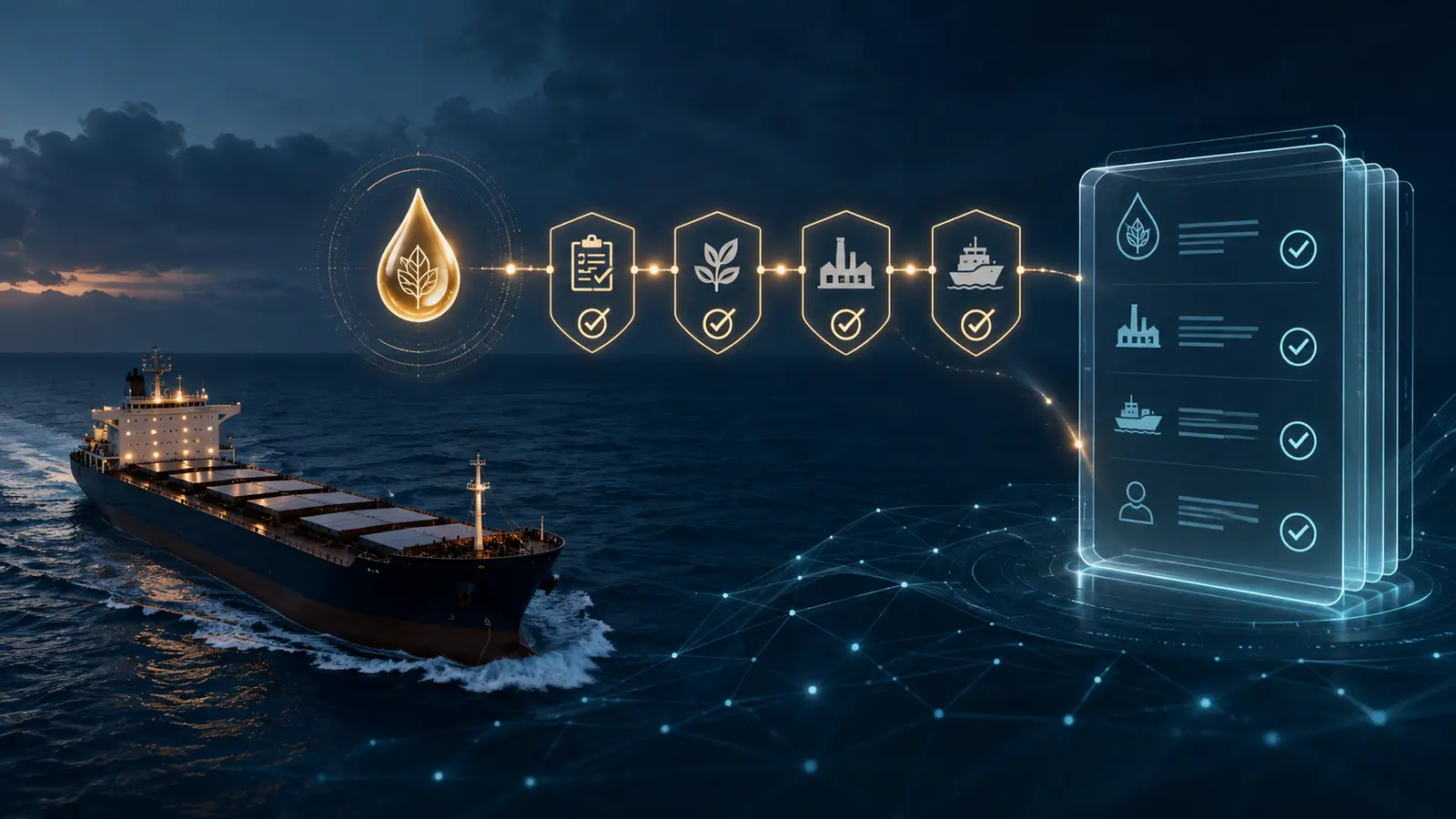
A credible mechanism assigns unique identifiers to fuel batches and attributes, linking sustainability certification, bunkering evidence, lifecycle calculations, transfers, final retirement and the buyer reporting period. Method changes require new versions rather than overwrites.
Evidence / Results / Impact
The transaction demonstrates that maritime attributes can be delivered through an expanded aviation-origin registry framework. The nearly 10,000-tonne figure is a pilot target, not proof that matching fuel was physically used on Microsoft-specific voyages or that product footprints fell automatically.
Industry & Institutional Implications
Maritime decarbonisation procurement is moving from physical fuel purchases toward traceable attributes. Cargo owners, carriers, forwarders and assurance providers need a shared data model to connect logistics activity with certificate serials and prevent duplicate allocation.
SNN Editorial / Pre-Disclosure Evidence Infrastructure Perspective
SNN editorial analysis: Taiwan electronics, machinery, textile and consumer brands depend heavily on ocean freight. Book and claim can let exporters procure intervention attributes before low-carbon fuel is available on every route, but a certificate must not be described as physical green fuel in a specific container. Pre-Disclosure Evidence Infrastructure should link purchase orders, bills of lading, voyages, cargo-weight allocation, fuel batches, certification, lifecycle models, registry serials, ownership transfer, retirement time and the relevant GHG inventory account. Physical abatement, value-chain intervention and offsetting should remain separate. Completing these mappings before customer questionnaires or sustainability reports are drafted would help Taiwan supply chains prevent duplicate claims and allow assurance providers to reproduce allocation. This is editorial interpretation, not a source-verified fact.
Future Outlook
Next review should track the updated RSB maritime procedure, participation by more carriers, attribute pricing, assurance rules and Microsoft disclosure of actual retirements and Scope 3 accounting.
Sources, evidence chain and editorial responsibility
Source publication: ESG Today · Original author: Kenny Fisher · Original publication date:
External institutional and reporting sources
These external announcements, rules, studies and reports support the discussion and are displayed separately from the original publication.
- primary automated discovery and factual sourceESG TodayMicrosoft and Norden Complete a Maritime Book-and-Claim Transaction for Nearly 10,000 Tonnes of Scope 3 Reductions ↗Published 2026-09-03 · Accessed 2026-09-04T02:25:00.000Z
Publication identity, attributed facts and source timing used for the SNN original bilingual summary.
- company and transaction announcementNORDENNorden becomes first maritime carrier to deliver verified emissions reductions ↗Published 2026-09-02 · Accessed 2026-09-04T02:25:00.000Z
Registry milestone, parties, certification and delivery mechanics.
- standards and registry contextRoundtable on Sustainable BiomaterialsRSB Book and Claim programme ↗Published 2026 · Accessed 2026-09-04T02:25:00.000Z
Book-and-claim governance, chain-of-custody and integrity context.
Topic hub: 氣候與能源轉型