
ENGLISH EDITION · 全球新聞
Leilac Carbon-Capture Technology Targets Cement and Lime Process Emissions
Leilac's process technology aims to separate carbon dioxide during cement and lime production, addressing emissions that cannot be removed through clean electricity alone.
This English edition is available for independent reading and search discovery.
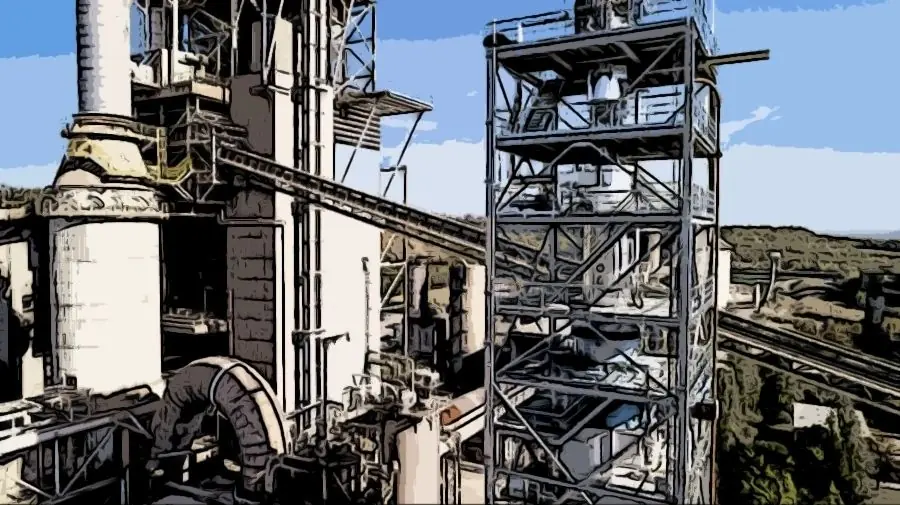
Executive Summary / Lead
Leilac Drives Low-Carbon Transition in the Cement and Lime Industry, Accelerating Global Sustainable Development
As global climate change concerns intensify, countries worldwide are committing to the 2050 "Net Zero Emissions" goal. As one of the most challenging high-emission industries, the cement and lime industry currently accounts for approximately 9% of global CO₂ emissions, facing the dual challenge of reducing emissions while maintaining industrial competitiveness. Against this backdrop, Leilac (Low Emissions Intensity Lime and Cement) is dedicated to developing low-cost, high-efficiency carbon capture technology, offering flexible and economically viable solutions to help the cement and lime industry reduce emissions, capture unavoidable CO₂ emissions, and remove historical emissions, driving the industry toward sustainable development.
Company & Industry Context
Cement and lime are essential materials in modern society. Cement is a key ingredient in concrete, which is the second most consumed substance globally after water. Lime is widely used in steel production, water treatment, agriculture, and other critical sectors. However, the production of these materials relies heavily on high-temperature calcination of limestone, a process that releases significant amounts of CO₂. As a result, finding a way to reduce emissions while ensuring a stable supply of these materials and maintaining economic growth has become a global priority.
Challenge / Why It Matters
To address this challenge, Leilac has established the "Avoid, Capture, Remove, Justly" principles, using technological innovation to drive the low-carbon transition of the cement and lime industry.
Technological Innovation Driving Low-Carbon Transformation
Leilac has developed innovative technology that directly captures CO₂ emissions from cement and lime production without requiring additional chemical treatments or energy consumption. This ensures that emissions can be efficiently and safely stored or utilized. The technology not only reduces the cost of carbon capture but also enhances the feasibility of carbon management, providing an economically viable pathway for the industry's decarbonization.
Action / Solution / Implementation
Additionally, Leilac's technology supports hybrid energy systems, enabling industrial facilities to flexibly switch between low-carbon electricity and fuels. This allows businesses to choose the most cost-effective energy source based on market fluctuations, reducing production costs, improving grid stability, and fostering collaboration between the energy and industrial sectors to create a more resilient and stable energy system.
Urgency of Industry Decarbonization: Carbon Capture as an Inevitable Solution
Even with energy transitions and material substitutions, the cement and lime industry still faces substantial "unavoidable emissions." According to the Global Cement and Concrete Association (GCCA), even after implementing all other carbon reduction measures, the cement industry will still need to capture and store approximately 1.4 billion tons of CO₂ annually to achieve carbon neutrality.
Leilac’s solution effectively lowers the cost of carbon capture and collaborates with global partners to advance carbon management infrastructure, ensuring that industries can rapidly implement carbon capture technology under economically feasible conditions.
Evidence / Results / Impact
Accelerating Carbon Removal Technologies to Achieve True "Net Zero"
To address historical CO₂ emissions, Leilac is actively exploring Direct Air Capture (DAC) and Bioenergy with Carbon Capture and Storage (BECCS) technologies. According to the Intergovernmental Panel on Climate Change (IPCC), billions of tons of CO₂ must be removed from the atmosphere in the coming decades to stabilize the climate. Leilac’s technology will play a crucial role in advancing these essential solutions.
Industry Transition: An Environmental, Economic, and Social Imperative
Sustainable development is not just about environmental protection; it is also closely tied to economic growth and social well-being. Leilac emphasizes that the low-carbon transition of the cement and lime industry should not come at the expense of jobs and economic development. Instead, it should focus on flexible solutions that enable businesses to reduce emissions while preserving employment, strengthening supply chain resilience, and fostering local economic growth.
Industry & Institutional Implications
Through technological innovation and industry collaboration, Leilac is committed to promoting decarbonization projects that align with the principles of Just Transition, ensuring that the journey to carbon neutrality does not negatively impact low-income communities or developing economies.
Leilac has already successfully implemented large-scale pilot projects in Europe and is working with global industry partners to drive decarbonization solutions across the entire value chain. Through technological innovation and cross-sector collaboration, Leilac is helping the cement and lime industry achieve a truly sustainable future.
SNN Editorial / Pre-Disclosure Evidence Infrastructure Perspective
About Leilac
Future Outlook
Leilac (Low Emissions Intensity Lime and Cement) is a company dedicated to the development of carbon reduction technologies for the cement and lime industry. It focuses on creating efficient and cost-effective carbon capture solutions to drive the industry's transition to low-carbon operations. Leilac’s innovative technology has received support from international partners and is actively engaged in global decarbonization initiatives.
Sources, evidence chain and editorial responsibility
Topic hub: 氣候與能源轉型