
全球新聞
從1.5°C退讓至2°C?銀行聯盟引發信任與監管危機
SNN.TW 編輯報導SNN.TW Editorial Reporting
聯合國支持的國際銀行氣候倡議「淨零銀行聯盟」(Net Zero Banking Alliance, NZBA)近日正式表決,將成員對於氣候行動的核心承諾,從原先明確對齊《巴黎協定》中的1.5°C升溫目標,調整為較寬鬆的「遠低於2°C」範圍,象徵著全球永續金融目標出現重大方向轉變。
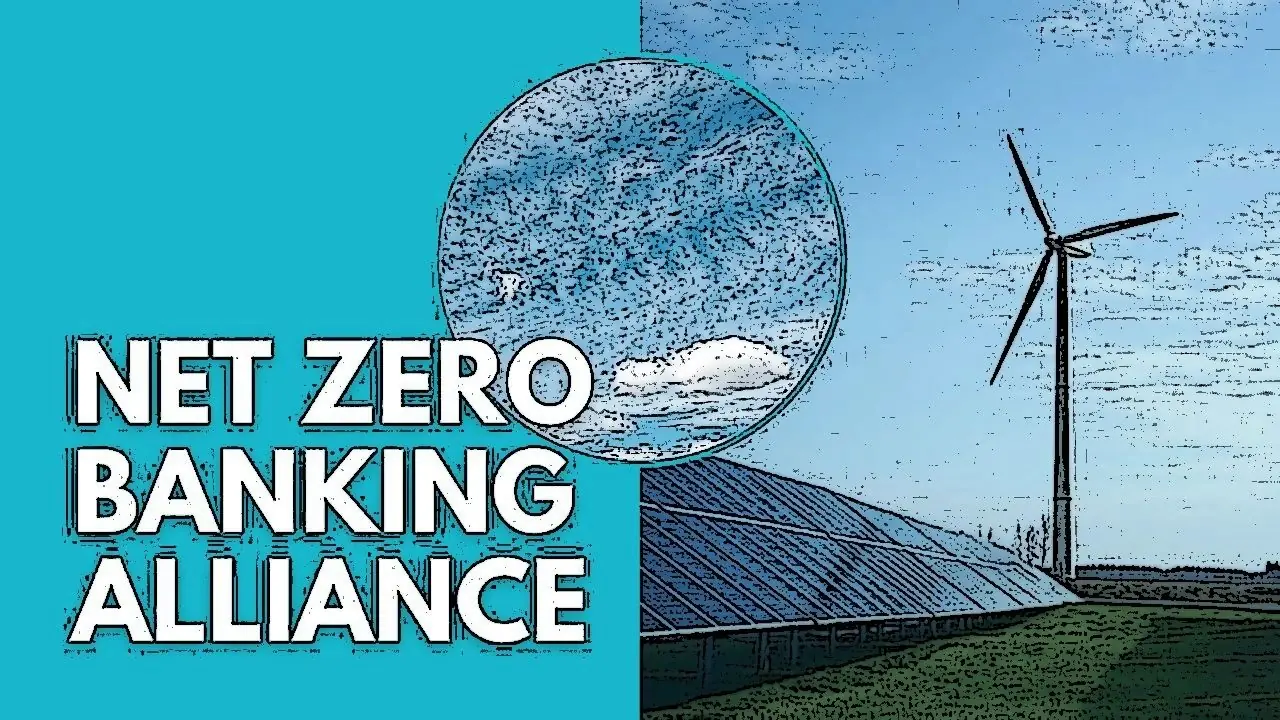
From 1.5°C to 2°C? Banking Alliance Shift Raises Trust and Regulatory Questions
A proposed change in the Net-Zero Banking Alliance's temperature alignment has renewed debate over voluntary commitments, institutional credibility and financial regulation.
重點摘要
Executive Summary / Lead聯合國支持的國際銀行氣候倡議「淨零銀行聯盟」(Net Zero Banking Alliance, NZBA)近日正式表決,將成員對於氣候行動的核心承諾,從原先明確對齊《巴黎協定》中的1.5°C升溫目標,調整為較寬鬆的「遠低於2°C」範圍,象徵著全球永續金融目標出現重大方向轉變。
The UN-backed Net-Zero Banking Alliance (NZBA) has officially voted to loosen its core climate commitment, moving from a clear alignment with the Paris Agreement’s 1.5°C warming target to a more flexible "well below 2°C" threshold. The decision marks a significant shift in the direction of global sustainable finance goals.
The resolution was supported by 90% of member banks that participated in the vote. Although NZBA emphasized that 1.5°C remains its "guiding star," the alliance stated that slow decarbonization progress in the real economy requires a more pragmatic and flexible pathway.
企業與產業背景
Company & Industry Context此決議獲得90%參與投票的會員銀行支持,儘管NZBA強調1.5°C仍為其「指引之星」(guiding star),但聯盟同時表示,現實經濟脫碳進展緩慢,使得必須採取更具彈性與實用性的路徑。
「我們正處於氣候行動的關鍵十年中,我們需要包括銀行與金融業在內的所有部門,共同推動實質減碳的進展,」NZBA主席暨阿布達比第一銀行(First Abu Dhabi Bank)首席永續長Shargiil Bashir表示。「2021年我們認為可達成的目標,如今面對現實,某些產業根本沒有如預期轉型,不論是技術進展或政策配合,都慢於原本假設。」
“We are in a critical decade for climate action, and we need all sectors - including banking and finance - to drive meaningful decarbonization,” said NZBA Chair Shargiil Bashir, who also serves as Chief Sustainability Officer at First Abu Dhabi Bank. “In 2021, we believed certain goals were achievable, but in reality, some sectors have failed to transition as expected, with technological advances and policy support lagging behind initial assumptions.”
挑戰與重要性
Challenge / Why It Matters產業現實考驗淨零承諾 脫碳進程受阻
根據聯盟說法,包括建築、航空與房地產等高排放產業的轉型速度遠落後於預期,造成銀行在制定與落實減碳貸放策略時面臨越來越大的挑戰。此外,來自美國與英國等主要市場的政治阻力與反ESG浪潮,也使銀行在推動氣候政策上進退兩難。
Real-Economy Challenges Undermine Net-Zero Pledges
According to NZBA, the transition of high-emitting sectors such as construction, aviation, and real estate has fallen well short of expectations, creating growing difficulties for banks trying to implement climate-aligned lending strategies. Political headwinds and anti-ESG sentiment in key markets like the U.S. and UK have further complicated banks’ climate efforts.
“Many financial institutions made net-zero pledges, only to realize in practice that these are immensely complex coordination challenges involving cross-sectoral, cross-border supply chains and regulatory integration,” said Simon Hallett, Head of Climate Strategy at UK consultancy Cambridge Associates.
行動、方案與執行
Action / Solution / Implementation英國顧問機構Cambridge Associates氣候戰略主管Simon Hallett指出:「許多金融機構當初承諾淨零,但這幾年在實際執行時才發現這是個巨大的協調難題,牽涉跨產業、跨境供應鏈與法規整合。」
包括匯豐(HSBC)、摩根士丹利(Morgan Stanley)與富國銀行(Wells Fargo)等大型銀行,已公開調整原定的淨零路徑,並表示受到政策環境與產業現實的限制。
社會責任團體批評「削弱公信力」
這項決議也引來永續倡議團體的批評。英國倡議組織ShareAction的企業參與共同主任Jeanne Martin直言:「在我們親眼目睹史無前例的乾旱與洪災之際,銀行卻選擇放寬1.5°C的氣候目標,實在令人失望。每升溫0.1度都意味著更高的金融風險。」
目前全球僅約30%的高排放企業提出明確與1.5°C相符的轉型路線圖,若金融部門也放寬要求,恐將影響整體氣候治理進展。
Major banks including HSBC, Morgan Stanley, and Wells Fargo have already publicly revised their net-zero pathways, citing limitations posed by the policy environment and real-economy conditions.
Sustainability Advocates Warn of “Eroding Credibility”
The decision has drawn criticism from climate advocacy groups. Jeanne Martin, Joint Head of Corporate Engagement at UK-based ShareAction, commented: “At a time when we’re witnessing unprecedented droughts and floods, it is deeply disappointing that banks are choosing to dilute their 1.5°C commitments. Every 0.1°C of additional warming represents significantly greater financial risk.”
Globally, only about 30% of high-emitting companies have published 1.5°C-aligned transition plans. If the financial sector also eases its standards, it could severely undermine global climate governance efforts.
Legal and Regulatory Risks on the Rise
Beyond credibility concerns, relaxing the 1.5°C target may also expose banks to increased legal risk. Becky Clissmann, a climate law expert at international law firm Ashurst, warned: “If banks can’t provide a clear and convincing scientific or policy rationale for stepping back from 1.5°C, they could face legal challenges in court.”
證據、成果與影響
Evidence / Results / Impact法律風險與監管挑戰升高
除了形象與公信力問題,放棄明確目標也可能讓銀行面臨更高的法律風險。律師事務所Ashurst的氣候法律專家Becky Clissmann指出:「若銀行無法提出清楚、具說服力的科學或政策背景,說明為何放棄1.5°C,未來可能在法院中面臨法律挑戰。」
Clissmann補充,法院傾向重視承諾的一致性與依據,倘若承諾突然反轉,且缺乏合理解釋,將可能違反企業的受託責任與揭露義務。
從設定目標轉向實際行動?
面對外界壓力,NZBA領導層則強調,此次修正是「從設定目標邁向實質執行」的轉變,聯盟未來將提供會員更多具體工具與指引,包括部門減碳路徑、能力建設線上研討會,以及更靈活的碳市場與「避免排放」(avoided emissions)計算方法。
Clissmann added that courts tend to value consistency and justification in corporate commitments. A sudden reversal without reasonable explanation may violate fiduciary duties or disclosure obligations.
From Target-Setting to Practical Implementation?
In response to external criticism, NZBA leadership framed the decision as a shift from goal-setting to actionable implementation. The alliance pledged to provide members with more practical tools and guidance, including sectoral decarbonization pathways, capacity-building webinars, and more flexible carbon market frameworks and accounting for “avoided emissions.”
產業與制度意涵
Industry & Institutional ImplicationsBashir表示:「NZBA具備獨特地位,可協助會員銀行在淨零轉型過程中獲得實用支援。」
綠色金融下一步何去何從?
儘管聯盟聲稱仍維持對淨零的承諾,但此次表決無疑為氣候金融敲響警鐘。在缺乏明確目標指引的情況下,銀行可能延後高碳產業退出時程,甚至重新導向資金配置策略。
“NZBA has a unique position to help member banks navigate the net-zero transition with actionable support,” said Bashir.
Where Is Green Finance Headed Next?
While the alliance insists it remains committed to net-zero, the vote has undoubtedly raised alarm bells in the climate finance community. Without clear target benchmarks, banks may delay their phase-out of high-carbon sectors or even reallocate financing in less climate-aligned directions.
SNN 編輯與揭露前證據基礎設施觀點
SNN Editorial / Pre-Disclosure Evidence Infrastructure Perspective對機構投資人與金融監理機關而言,這也將成為重要的觀察指標——若氣候目標可輕易變動,則企業自願性承諾的可信度將大打折扣,恐需依賴更具強制力的監管介入。
For institutional investors and financial regulators, this development will serve as a key signal: if climate targets can be easily altered, the credibility of voluntary corporate commitments may erode - potentially requiring stronger regulatory intervention.
未來展望
Future Outlook歐盟、美國與亞洲多國監管機關,近年已開始制定金融機構的氣候揭露與風險管理標準。未來,若聯盟內部出現進一步退讓趨勢,勢必將加速政策監理機制的收緊。
In recent years, regulators in the EU, U.S., and across Asia have begun implementing climate disclosure and risk management standards for financial institutions. Should the NZBA continue its shift away from firm climate targets, it may only accelerate the tightening of regulatory oversight.
來源、證據鏈與責任編輯
主題中心:氣候與能源轉型
SNN.TW 原始刊登紀錄 ↗