
全球脈動
木屑變防火板
ETH Zurich研究團隊近日開發出一種創新建材,成功將木屑轉化為具耐火性與永續特性的室內牆板。然而,該技術能否實現商業化,關鍵仍取決於一種核心原料「鳥糞石」(struvite)的取得成本。
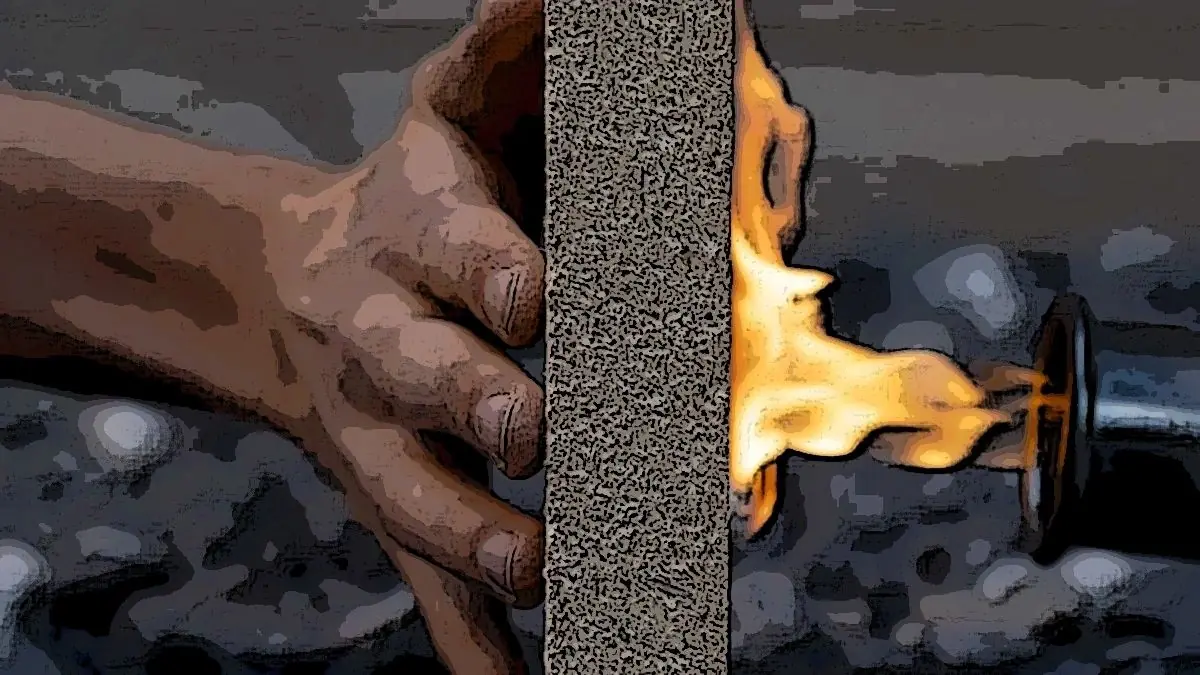
Researchers at ETH Zurich have developed an innovative building material that transforms sawdust into durable, fire-resistant interior wall panels
Researchers at ETH Zurich have developed an innovative building material that transforms sawdust into durable, fire-resistant interior wall panels. However, the commercial viability of the technology hinges on the cost-effective sourcing of a key mineral: struvite.
重點摘要
Executive Summary / LeadETH Zurich研究團隊近日開發出一種創新建材,成功將木屑轉化為具耐火性與永續特性的室內牆板。然而,該技術能否實現商業化,關鍵仍取決於一種核心原料「鳥糞石」(struvite)的取得成本。
Researchers at ETH Zurich have developed an innovative building material that transforms sawdust into durable, fire-resistant interior wall panels. However, the commercial viability of the technology hinges on the cost-effective sourcing of a key mineral: struvite.
企業與產業背景
Company & Industry Context鳥糞石是一種磷酸銨鎂結晶,常見於污水處理廠管線中,通常被視為造成堵塞的問題來源。但研究指出,該礦物具備優異的阻燃特性,使其在建築材料領域具備潛在應用價值。
Struvite, a crystalline ammonium magnesium phosphate, typically accumulates in wastewater treatment plant pipes, where it is considered a nuisance due to clogging. Yet the research highlights its strong fire-resistant properties, making it a promising candidate for construction applications.
挑戰與重要性
Challenge / Why It Matters研究主要由博士候選人Ronny Kürsteiner主導。
他表示,這種以鳥糞石與木屑製成的板材具有「自我防火」特性。
The project was led by doctoral researcher Ronny Kürsteiner, who noted that the resulting panels are effectively “self-protecting” against fire. When exposed to heat, struvite decomposes and releases water vapor and ammonia, absorbing heat from the environment while emitting non-combustible gases that help suppress flame propagation.
行動、方案與執行
Action / Solution / Implementation當材料受熱時,鳥糞石會分解並釋放水蒸氣與氨氣,不僅吸收周圍熱能產生冷卻效果,亦透過不可燃氣體抑制火勢蔓延。
To address the mineral’s inherent brittleness, the researchers incorporated an enzyme extracted from watermelon seeds. This enzyme promotes crystal growth, allowing the struvite to fill voids
證據、成果與影響
Evidence / Results / Impact為解決鳥糞石本身脆性高的問題,研究團隊進一步加入從西瓜種子萃取的酵素,使晶體結構增大並填補木屑間隙,形成更穩固的結合結構。經過模具成型、加熱與冷卻後,可製成強度高於原始雲杉木材的板材。
between sawdust particles and form a stronger composite structure. After molding, heating, and cooling, the resulting panels exhibit strength exceeding that of the original spruce wood.
產業與制度意涵
Industry & Institutional Implications在永續性方面,該材料亦展現循環經濟潛力。研究指出,當板材經粉碎與加熱後,其組成成分可再次分離並重新製成新產品,有助於降低建材廢棄物與資源消耗。
From a sustainability perspective, the material also supports circular economy principles. When ground and reheated, its components can be separated and reprocessed into new panels, reducing waste and resource consumption in the construction sector.
SNN 編輯與揭露前證據基礎設施觀點
SNN Editorial / Pre-Disclosure Evidence Infrastructure Perspective不過,成本仍是關鍵挑戰。相較於傳統聚合物黏著劑或水泥,鳥糞石價格較高,使得大規模應用面臨經濟門檻。研究團隊認為,若能從污水處理系統中低成本回收鳥糞石,不僅可作為建材原料來源,也有助於減少管線堵塞問題,形成環境與經濟雙重效益。
Despite these advantages, cost remains a significant barrier. Compared with conventional binders such as polymers or cement, struvite is relatively expensive. However, researchers suggest that recovering the mineral from wastewater systems could provide a low-cost feedstock while simultaneously mitigating pipe clogging issues.
未來展望
Future Outlook整體而言,該技術顯示廢棄物資源化與低碳建材創新正逐步結合,但其商業化仍取決於供應鏈整合與回收技術成熟度,亦反映循環建材發展需跨足材料科學與基礎設施系統的協同創新。
Overall, the innovation demonstrates how waste valorization and low-carbon material development can converge, but scaling the solution will depend on advances in supply chain integration and resource recovery infrastructure.
來源、證據鏈與責任編輯
主題中心:企業與供應鏈
SNN.TW 原始刊登紀錄 ↗