
全球脈動
環保也能抗壓,MIT推SustainaPrint
在追求更永續製造的道路上,麻省理工學院(MIT)電腦科學與人工智慧實驗室(CSAIL)及哈索普拉特納學院(HPI)的研究團隊推出了全新3D列印技術——SustainaPrint,試圖解決環境友好材料耐壓不足的老問題。這項技術可說是對1983年立體光刻(stereolithography)發明者Chuck Hull的創舉的一次現代化延伸,將永續與耐用結合,對3D列印行業帶來新思維。
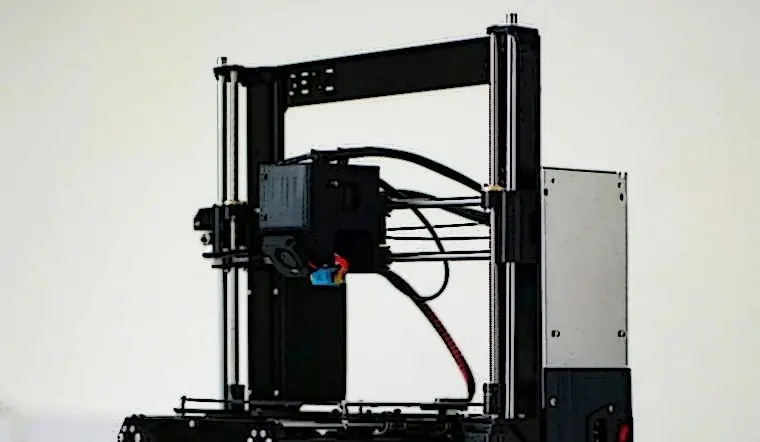
In the quest for more sustainable manufacturing, researchers from MIT's Computer Science and Artificial Intelligence Laboratory (CSAIL) and the Hasso Plattner Institute (HPI) have introduced a novel 3D printing method
In the quest for more sustainable manufacturing, researchers from MIT's Computer Science and Artificial Intelligence Laboratory (CSAIL) and the Hasso Plattner Institute (HPI) have introduced a novel 3D printing method, SustainaPrint, aimed at addressing the long-standing challenge of biodegradable filaments cracking under stress. This innovation can be seen as a modern extension of Chuck Hull's pioneering work on stereolithography in 1983, combining environmental friendliness with material strength.
重點摘要
Executive Summary / Lead在追求更永續製造的道路上,麻省理工學院(MIT)電腦科學與人工智慧實驗室(CSAIL)及哈索普拉特納學院(HPI)的研究團隊推出了全新3D列印技術—— SustainaPrint ,試圖解決環境友好材料耐壓不足的老問題。這項技術可說是對1983年立體光刻(stereolithography)發明者Chuck Hull的創舉的一次現代化延伸,將永續與耐用結合,對3D列印行業帶來新思維。
In the quest for more sustainable manufacturing, researchers from MIT's Computer Science and Artificial Intelligence Laboratory (CSAIL) and the Hasso Plattner Institute (HPI) have introduced a novel 3D printing method, SustainaPrint, aimed at addressing
企業與產業背景
Company & Industry Context傳統生物可分解的3D列印線材雖環保,但耐壓性不足,容易在受力點裂開。
the long-standing challenge of biodegradable filaments cracking under stress. This innovation can be seen as a modern extension of Chuck Hull's pioneering work on stereolithography in 1983, combining environmental friendliness with material strength.
挑戰與重要性
Challenge / Why It Matters為此,研究團隊設計出一種「選擇性加強」方法,只在物件受力關鍵區域加入強度較高的材料,其他部位使用環保線材。
MIT博士生Maxine Perroni-Scharf表示,採用20%強化比例的實驗中,物件整體強度可達全高性能塑料列印的70%,兼顧環保與實用性。
Traditional biodegradable filaments are environmentally friendly but often lack mechanical strength, cracking under pressure. The research team developed a selective reinforcement approach, adding stronger material only to critical stress points while printing the remaining
行動、方案與執行
Action / Solution / ImplementationSustainaPrint的運作流程包括 有限元素分析(Finite Element Analysis)模擬 ,先找出模型的受力區域,再將高強度材料精準加入這些區域,讓其餘部分由綠色材料列印。團隊測試了日常用品,如耳機架與牆壁掛勾,結果顯示SustainaPrint結合了耐用性與環保性,明顯優於單純使用可分解線材的產品。
areas with eco-friendly filament. MIT PhD student Maxine Perroni-Scharf stated that using a 20% reinforcement threshold, printed objects could retain up to 70% of the strength of parts made entirely from high-performance plastics, balancing sustainability with durability.
證據、成果與影響
Evidence / Results / Impact考慮到一般使用者可能缺乏專業測試設備,研究團隊還設計了 DIY測試工具包 ,用家可利用家用健身器材如單槓、電子秤測試列印材料的耐力,簡單且低門檻。
SustainaPrint operates through finite element analysis (FEA) to identify stress points in a 3D model, directing high-strength materials precisely to these zones while leaving the rest of the object printed with green materials. Experiments on everyday items like headphone stands and wall hooks demonstrated the combination of durability and eco-friendliness, clearly outperforming items printed solely with biodegradable filaments.
產業與制度意涵
Industry & Institutional Implications未來,團隊希望進一步優化軟體流程,並可能引入人工智慧自動化分析,提高操作效率。
To accommodate users without professional testing equipment, the team also designed a DIY testing toolkit that uses common home gym equipment such as pull-up bars or digital scales to measure material strength, offering an accessible, low-barrier solution. Looking ahead, the team envisions further
SNN 編輯與揭露前證據基礎設施觀點
SNN Editorial / Pre-Disclosure Evidence Infrastructure PerspectiveHPI教授Patrick Baudisch指出,這項技術成功填補了理論回收概念與實際操作之間的缺口,使3D列印材料循環不再只是抽象理念。
software enhancements and potential AI integration to automate the process and improve efficiency. HPI Professor Patrick Baudisch highlighted that SustainaPrint bridges the gap between theoretical recycling concepts and practical 3D printing applications, making sustainable material use tangible.
未來展望
Future Outlook隨著3D列印逐漸進入家庭與小型製造環境,如何平衡環保與耐用性成為關鍵挑戰。SustainaPrint的突破在於「精準用料」,透過有限元素分析定位受力點,不僅降低材料消耗,也能保持結構穩定。這種方法有助於推動循環經濟,並可能帶來更廣泛的應用場景,如消費性電子、家居用品甚至醫療器材等領域,為永續製造提供新的技術路徑。
Background Analysis: As 3D printing becomes more common in homes and small-scale manufacturing, balancing eco-friendliness with durability is crucial. SustainaPrint's precision reinforcement approach reduces material consumption while maintaining structural integrity. This method supports the circular economy and could have wide-ranging applications, from consumer electronics and home products to medical devices, providing a new pathway for sustainable manufacturing.
來源、證據鏈與責任編輯
主題中心:企業與供應鏈
SNN.TW 原始刊登紀錄 ↗