
永續學堂
環保消費指南:破解綠色術語,助您做出更可持續的選擇
從「食物里程」到「有意識的肉類」—— 綠色術語指南,助您做出更環保的購物選擇
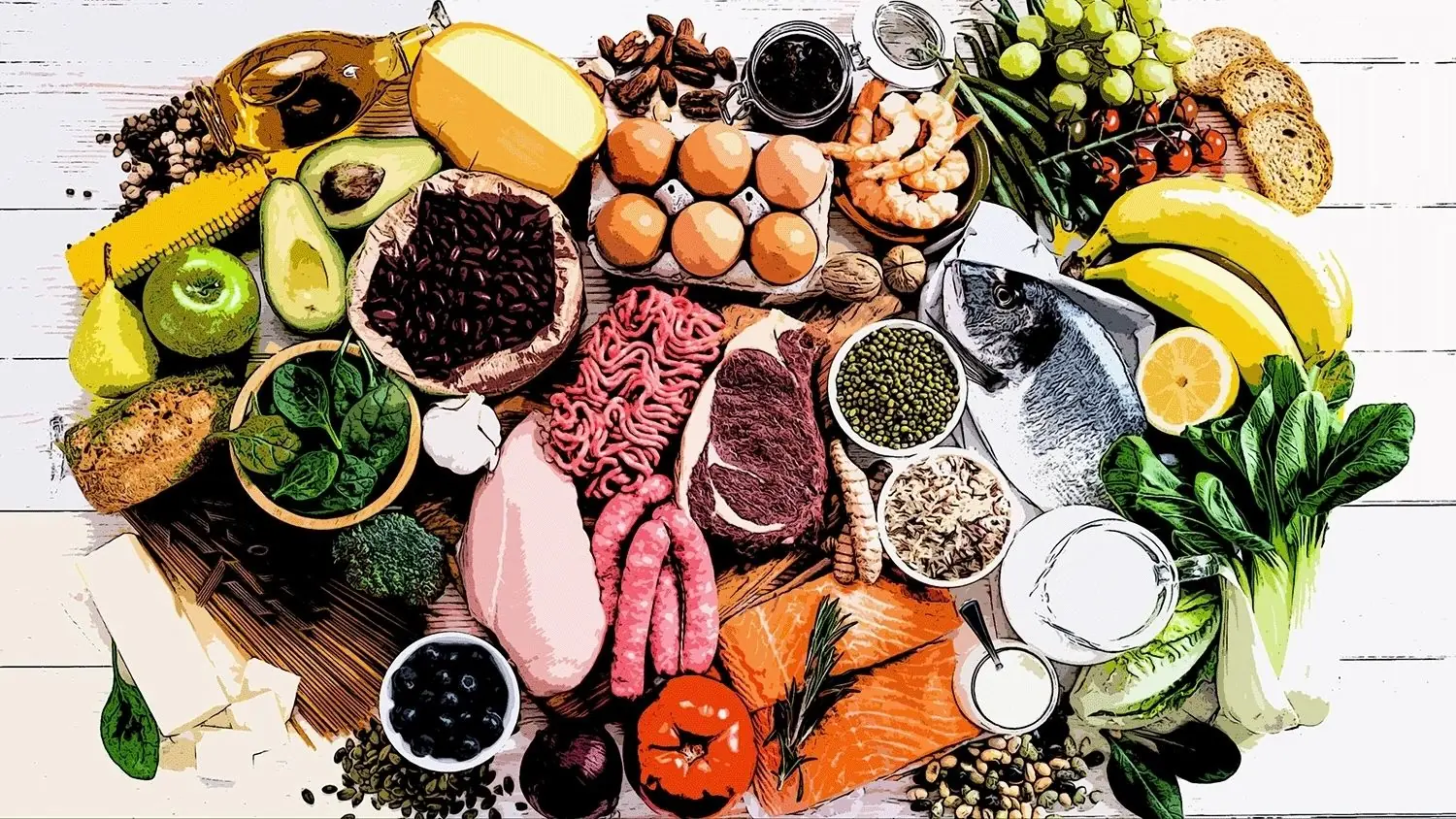
More and more consumers are seeking to make more environmentally friendly choices in their daily diets
As global climate change and environmental issues receive increasing attention, more and more consumers are seeking to make more environmentally friendly choices in their daily diets, not only to reduce their carbon footprint but also to support sustainable agriculture, protect the ecological environment, and leave a healthier planet for future generations. However, when trying to purchase products that meet environmental standards, consumers often encounter various complex green terms that can be confusing.
重點摘要
Executive Summary / Lead從「食物里程」到「有意識的肉類」—— 綠色術語指南,助您做出更環保的購物選擇
隨著全球氣候變遷與環境議題日益受到關注,越來越多消費者希望能夠在日常飲食中做出更環保的選擇,不僅是為了減少碳足跡,也是為了支持可持續農業、保護生態環境,以及為後代子孫留下更健康的地球。然而,當我們試圖購買更符合環保標準的產品時,卻往往會遇到各種複雜的綠色術語,讓人感到困惑。
As global climate change and environmental issues receive increasing attention, more and more consumers are seeking to make more environmentally friendly choices in their daily diets, not only to reduce their carbon footprint but also to support sustainable agriculture, protect the ecological environment, and leave a healthier planet for future generations. However, when trying to purchase products that meet environmental standards, consumers often encounter various complex green terms that can be confusing.
企業與產業背景
Company & Industry Context2024 年,傳播機構 Fleet Street 與市場研究公司 Trajectory 發布的一項報告顯示,不到 50% 的人完全理解「本地種植」或「一次性塑膠」等常見環保概念,而對於「生物多樣性」或「碳抵消」這類專業科學術語,則只有 5% 的消費者 了解其真正含義。這樣的數據反映出,即使人們願意做出更綠色的選擇,卻可能因為資訊不夠清楚,而難以判斷哪些產品或行為真正符合可持續發展的原則。
A report released in 2024 by communication agency Fleet Street and market research firm Trajectory found that less than 50% of people fully understand common environmental concepts like "locally grown" or "single-use plastic", and only 5% of consumers understand the true meaning of specialized scientific terms like "biodiversity" or "carbon offset." These statistics show that even when people are willing to make greener choices, they often struggle to determine which products or actions truly align with sustainable development principles due to unclear information.
挑戰與重要性
Challenge / Why It Matters為了幫助消費者更輕鬆理解這些環保概念,我們特別編制了一份 「可持續發展詞彙表」,其中解釋了您在購物、外出用餐或閱讀與食品可持續性相關資訊時,可能會遇到的一些常見術語。我們希望這份指南能夠幫助您做出更明智的選擇,為自己與地球共創更可持續的未來。
生物多樣性(Biodiversity)
生物多樣性指的是地球上所有生命的多樣性,包括動物、昆蟲、植物,以及它們所依存的生態系統(例如森林、沙漠、草原或珊瑚礁),以及支撐這些環境的微生物。生物多樣性對維持自然平衡至關重要,若某個物種滅絕,將可能影響整個生態系統的穩定性。
生物動力農法(Biodynamic)
To help consumers better understand these environmental concepts, we have created a "Sustainability Glossary" that explains some common terms you might encounter when shopping, dining out, or reading information related to food sustainability. We hope this guide will assist you in making more informed choices for a more sustainable future for both yourself and the planet.
Biodiversity
Biodiversity refers to the diversity of life on Earth, including animals, insects, plants, the ecosystems they depend on (such as forests, deserts, grasslands, or coral reefs), and the microorganisms that support these environments. Biodiversity is crucial for maintaining natural balance, as the extinction of a species can disrupt the stability of entire ecosystems.
Biodynamic
Biodynamic farming is a form of low-intensity agriculture with a spiritual approach, popular among winemakers. It shares many similarities with organic and regenerative farming, but biodynamic farms also use nine special fermented treatments (called "preparations," made from natural ingredients) to improve soil and compost health. Some biodynamic farmers also rely on lunar phases to determine the best planting and harvesting times.
行動、方案與執行
Action / Solution / Implementation這是一種帶有精神層面的低強度農業,廣受釀酒師歡迎。與有機農業及再生農業有許多相似之處,但生物動力農場還會使用 九種特製的發酵處理劑 (稱為「製劑」,由天然成分發酵而成)來改善土壤與堆肥健康。除此之外,某些生物動力農民還會依據 月相 來決定最佳播種與收穫時間。
生物塑膠(Bioplastics)
由可再生植物原料(如玉米澱粉或甘蔗)製成的塑膠,相較於傳統塑膠,可減少溫室氣體排放。生物塑膠常用於食品包裝,許多產品標榜可分解,但實際上只有在 工業堆肥設施 中才能有效降解,並不適合一般家庭堆肥。
碳足跡(Carbon footprint)
指某項活動、產品或個人對氣候變遷的總體影響。舉例來說,乘坐飛機的碳足跡較高,而選擇當地種植的食物,則可能有助於降低碳足跡。
碳中和(Carbon neutral)
指某項活動或產品整體而言 不會增加 大氣中的溫室氣體排放。例如,一家公司可以透過投資植樹計畫來抵消其碳排放,達成碳中和。
食物里程(Food miles)
指食品從生產地運輸到銷售地的距離,通常距離越短,碳排放越少。但有時候,高食品里程並不一定等於較大的環境影響,例如,透過 船運 進口的香蕉,其碳足跡可能比 空運 進口的歐洲水果更低。
Bioplastics
Bioplastics are plastics made from renewable plant materials (such as corn starch or sugarcane) and can reduce greenhouse gas emissions compared to traditional plastics. Bioplastics are commonly used in food packaging, and many products claim to be biodegradable. However, they can only break down effectively in industrial composting facilities, not in typical household composting.
Carbon Footprint
A carbon footprint refers to the overall impact of an activity, product, or individual on climate change. For example, flying has a higher carbon footprint, while choosing locally grown food may help reduce the carbon footprint.
Carbon Neutral
A carbon-neutral activity or product does not increase the amount of greenhouse gases in the atmosphere. For example, a company may achieve carbon neutrality by investing in tree planting programs to offset its carbon emissions.
Food Miles
Food miles refer to the distance food travels from its place of production to its point of sale. Generally, the shorter the distance, the lower the carbon emissions. However, sometimes, high food miles do not necessarily equate to a larger environmental impact, for example, bananas imported by sea freight may have a lower carbon footprint than air-freighted European fruits.
證據、成果與影響
Evidence / Results / Impact食物浪費(Food waste)
指所有被丟棄的食物,其中包括 可避免的食物浪費 (例如因過期或未被食用而丟棄的食物)和 不可避免的食物浪費 (如果皮、蛋殼)。減少食物浪費不僅能節約資源,還能減少垃圾掩埋場的碳排放。
靈活素食者(Flexitarian)
這類人群主要以植物性食品為主,但仍會 偶爾 攝取肉類、魚類或乳製品。這是一種平衡健康與環保的飲食方式,能夠有效減少畜牧業對環境的影響。
永續餐廳協會(Sustainable Restaurant Association, SRA)
該協會為餐廳提供「Food Made Good」認證,幫助消費者辨識哪些餐廳在 環保、食材來源及社會責任 方面做得更好。此外,米其林綠色三葉草「可持續美食(Sustainable Gastronomy)」標誌,也代表該餐廳在減少浪費、自行種植食材等方面表現優異。
Food Waste
Food waste refers to all discarded food, including avoidable food waste (such as food thrown away due to expiration or not being consumed) and unavoidable food waste (such as peels or eggshells). Reducing food waste not only conserves resources but also decreases carbon emissions from landfills.
Flexitarian
Flexitarians primarily consume plant-based foods but will occasionally eat meat, fish, or dairy. This balanced dietary approach effectively reduces the environmental impact of livestock farming.
Sustainable Restaurant Association (SRA)
The SRA provides restaurants with the "Food Made Good" certification to help consumers identify those with better practices in environmental sustainability, ingredient sourcing, and social responsibility. Additionally, the Michelin Green Star "Sustainable Gastronomy" logo signifies restaurants excelling in reducing waste and growing their own ingredients.
產業與制度意涵
Industry & Institutional Implications有意識的肉類(Mindful meat)
指選擇可持續來源的肉類,例如 野味 或 原本可能被浪費的肉類 (如乳製品產業中的公山羊),而避免食用來自密集飼養的動物,以減少環境影響。
天然葡萄酒(Natural wine)
指採用 有機或生物動力農法 種植的葡萄,並使用 野生酵母 進行發酵,不添加人工穩定劑或加工物質。這樣的釀造方式被認為能夠更真實地呈現葡萄品種與產地風土特色。
Mindful Meat
Mindful meat refers to choosing meat from sustainable sources, such as game or meat that would otherwise go to waste (such as male goats from the dairy industry), and avoiding meat from animals raised in intensive farming systems to reduce environmental impact.
Natural Wine
Natural wine is made from grapes grown using organic or biodynamic farming methods and fermented with wild yeast, without the addition of artificial stabilizers or processing agents. This production method is believed to allow the true characteristics of the grape variety and terroir to shine through.
SNN 編輯與揭露前證據基礎設施觀點
SNN Editorial / Pre-Disclosure Evidence Infrastructure Perspective鼻到尾飲食(Nose-to-tail)
由英國名廚 Fergus Henderson 推廣的一種烹飪理念,提倡充分利用動物的所有可食部位,例如 內臟、骨髓與皮 ,以減少浪費並提升飲食的可持續性。
Nose-to-Tail
The "Nose-to-Tail" philosophy, promoted by British chef Fergus Henderson, encourages the use of all edible parts of an animal, such as offal, marrow, and skin, to reduce waste and enhance the sustainability of food.
未來展望
Future Outlook這份「可持續發展詞彙表」旨在幫助大家更清楚理解各種環保概念,使您在購物、外出用餐或做出消費決策時,能夠根據自身需求,選擇對環境更友善的產品與服務。每個人的選擇都能為地球帶來積極影響,讓我們從日常生活開始,一起為更綠色的未來努力!
This Sustainability Glossary is designed to help you better understand various environmental concepts so you can choose products and services that are more environmentally friendly when shopping, dining out, or making consumption decisions. Every choice we make can have a positive impact on the Earth, so let’s start from our everyday lives and work together toward a greener future!
來源、證據鏈與責任編輯
主題中心:企業與供應鏈
SNN.TW 原始刊登紀錄 ↗