
全球新聞
當建築開始呼吸:從菌絲體出發的未來建材革命
當談到「未來建築」,我們是否想過牆壁會呼吸,天花板能自癒,甚至在建築壽終正寢時,它能像落葉一樣自然分解、回歸土壤?這樣的想像,正透過一種來自森林地底的微生物——真菌,逐漸走入現實。
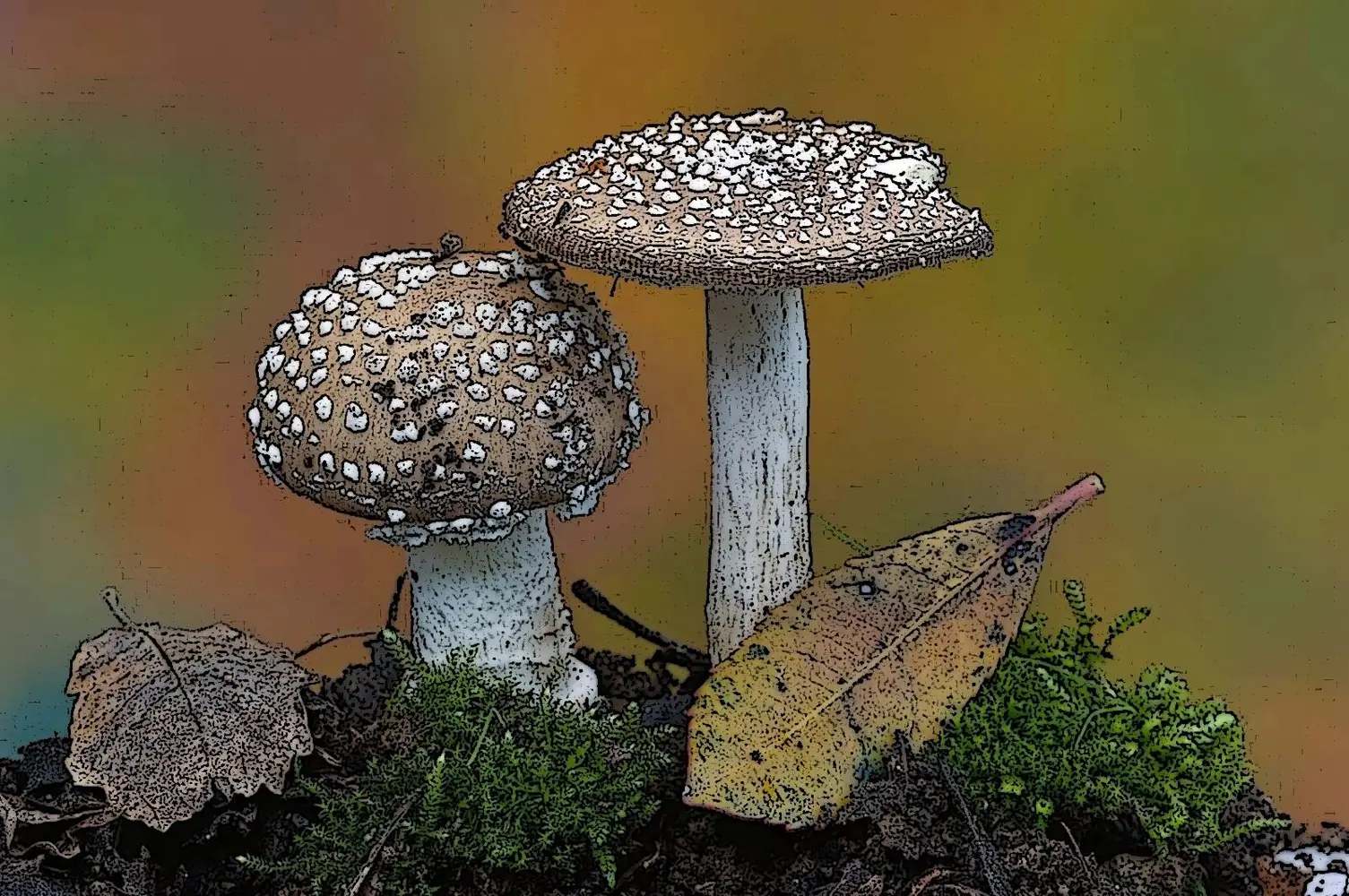
When Buildings Begin to Breathe: The Rise of Mycelium Materials
Mycelium-based materials offer a biodegradable route for insulation and construction products, while scale, durability and standards remain central adoption questions.
重點摘要
Executive Summary / Lead當談到「未來建築」,我們是否想過牆壁會呼吸,天花板能自癒,甚至在建築壽終正寢時,它能像落葉一樣自然分解、回歸土壤?這樣的想像,正透過一種來自森林地底的微生物——真菌,逐漸走入現實。
2025 年初,《Cell Reports Physical Science》發表的一項研究揭示了這項潛力:菌絲體(mycelium)——即真菌在土壤中負責養分循環的「地下網絡」——可望成為新一代的建築材料核心。透過工程化設計的菌絲支架,研究團隊成功打造出可穩定維持結構四週以上的材料,在 30°C 的室溫條件下展現良好強度,為真菌在建築應用上的可行性提供實驗證據。
What if Buildings Could Breathe, Heal, and Biodegrade Like Leaves? Welcome to the Mycelium Revolution in Architecture
When we talk about the "buildings of the future," have we ever imagined walls that breathe, ceilings that self-heal, or structures that decompose naturally like fallen leaves when their life cycle ends? This vision is no longer confined to science fiction - it’s becoming a reality, thanks to a remarkable organism found beneath the forest floor: fungi.
企業與產業背景
Company & Industry Context這並非天馬行空的綠色想像,而是一場跨界整合材料科學、生物工程與氣候韌性的創新實踐。菌絲材料不僅可用於保溫、內裝甚至結構支撐,其製程幾乎零排碳,且具備高度可塑性與在地生產的可能性。與高能耗的混凝土、鋼鐵相比,菌絲材料不僅「長出來」,還可以「回歸自然」,真正體現生物循環設計(biocircular design)的核心精神。
In early 2025, a study published in Cell Reports Physical Science unveiled the potential of mycelium - the underground root-like network of fungi responsible for nutrient cycling - as a next-generation building material. By engineering scaffolds made of mycelium, researchers successfully created a structure that remained mechanically stable for over four weeks at 30°C, offering promising evidence for its viability in construction.
挑戰與重要性
Challenge / Why It Matters「我們發現,菌絲支架在控制材料內部結構上非常有用,」本研究共同作者、蒙大拿州立大學工程系助理教授 Chelsea Heveran 表示,「我們創造出類似皮質骨的幾何結構,這未來或可應用於其他形態的結構設計。」
This is not just a green fantasy - it’s a radical, interdisciplinary innovation at the intersection of materials science, bioengineering, and climate resilience. Mycelium-based materials can be used for insulation, interior design, and even structural components. Their production process emits almost zero carbon, they are highly moldable, and can be produced locally. Unlike carbon-intensive concrete or steel, mycelium materials can be “grown” and eventually “return to nature,” embodying the core principles of biocircular design.
行動、方案與執行
Action / Solution / Implementation這正是工程活性生物材料(ELMs)令人興奮之處。這類材料包含活細胞,具備自癒、反應性、自組織與複雜結構生成等特性,目前已廣泛研究於醫療、感測、修復與環境工程領域。將其導入建築,不只是對建材的更新,更是一種對建築思維的根本重構。
“We found that mycelium scaffolds are very useful for controlling internal material architecture,” said Chelsea Heveran, assistant professor of engineering at Montana State University and co-author of the study. “We created geometries similar to cortical bone, which could potentially be applied in other forms of structural design in the future.”
This is the exciting frontier of Engineered Living Materials (ELMs) - materials embedded with living cells, capable of self-repair, responsiveness, self-organization, and the formation of complex structures. While already being explored in fields like medicine, sensing, and environmental remediation, their application in architecture signifies not just a material upgrade, but a fundamental rethinking of how we build.
證據、成果與影響
Evidence / Results / Impact在氣候變遷、資源枯竭與都市化壓力交織之下,全球城市紛紛尋求更具韌性與永續性的建築方案。從荷蘭阿姆斯特丹的生態社區「De Ceuvel」、到美國「Living Building Challenge(LBC)」標章的實驗建築,再到新加坡推動的「自然城市(City in Nature)」策略,菌絲體與其他生物材料開始被納入未來建築語彙之中。其低碳、生態兼容與可降解性,正好回應了聯合國永續發展目標(SDGs)中對循環經濟、永續城市與氣候行動的整合要求。
Amid climate change, resource depletion, and urbanization, cities worldwide are searching for more resilient and sustainable architectural solutions. From Amsterdam’s eco-community De Ceuvel, to experimental buildings certified by the Living Building Challenge (LBC) in the U.S., to Singapore’s City in Nature strategy, mycelium and other bio-based materials are being woven into the vocabulary of future architecture. Their low-carbon footprint, ecological compatibility, and biodegradability align seamlessly with the UN’s Sustainable Development Goals (SDGs) around circular economy, sustainable cities, and climate action.
產業與制度意涵
Industry & Institutional Implications此外,菌絲材料的推廣也帶動了新的社會對話機制。例如部分建築師開始與當地農業或林業部門合作,透過有機廢棄物來種植菌絲,創造地方循環經濟。這也開啟了「材料地產化(localization of materials)」的新方向,減少遠距運輸所造成的碳排,也強化社區韌性。
Moreover, the rise of mycelium is spurring new social dialogues. Some architects are now collaborating with local agricultural or forestry sectors to cultivate mycelium using organic waste, fostering local circular economies. This approach, dubbed the “localization of materials,” helps reduce emissions from long-distance transport while strengthening community resilience.
SNN 編輯與揭露前證據基礎設施觀點
SNN Editorial / Pre-Disclosure Evidence Infrastructure Perspective當然,這條道路仍有挑戰:結構耐久性尚須長期觀察、大型建築應用尚缺案例、建築法規尚未同步更新。但從科技驅動、文化想像到政策制度,菌絲材料正逐步擠身進入我們對建築未來的想像中。
Of course, challenges remain: structural durability still needs long-term validation; large-scale applications are scarce; and building codes have yet to adapt. Yet from technological innovation and cultural imagination to policy reform, mycelium is gradually taking root in how we envision the architecture of tomorrow.
未來展望
Future Outlook或許未來某天,我們的建築不再是冷冰冰的物件,而是一種與環境共生、具備生命邏輯的有機體。那時候,我們將不再問「房子能撐多久」,而是「它如何陪伴環境一起演化」。
Perhaps in the near future, buildings will no longer be lifeless shells but living, evolving organisms, harmonizing with their ecosystems. In that world, we may stop asking how long a house will last - and instead ask how it will grow and adapt alongside the environment.
來源、證據鏈與責任編輯
主題中心:企業與供應鏈
SNN.TW 原始刊登紀錄 ↗