
全球脈動
紐約州啟動熱能轉型,最高補助75萬美元推動潔淨暖能
紐約州能源研究與發展局(NYSERDA)正透過「大規模熱能計畫(Large-Scale Thermal Program)」推動建築用能轉型,以協助該州實現2050年建築潔淨加熱技術普及率達85%的目標,並邁向法定的淨零溫室氣體排放願景。
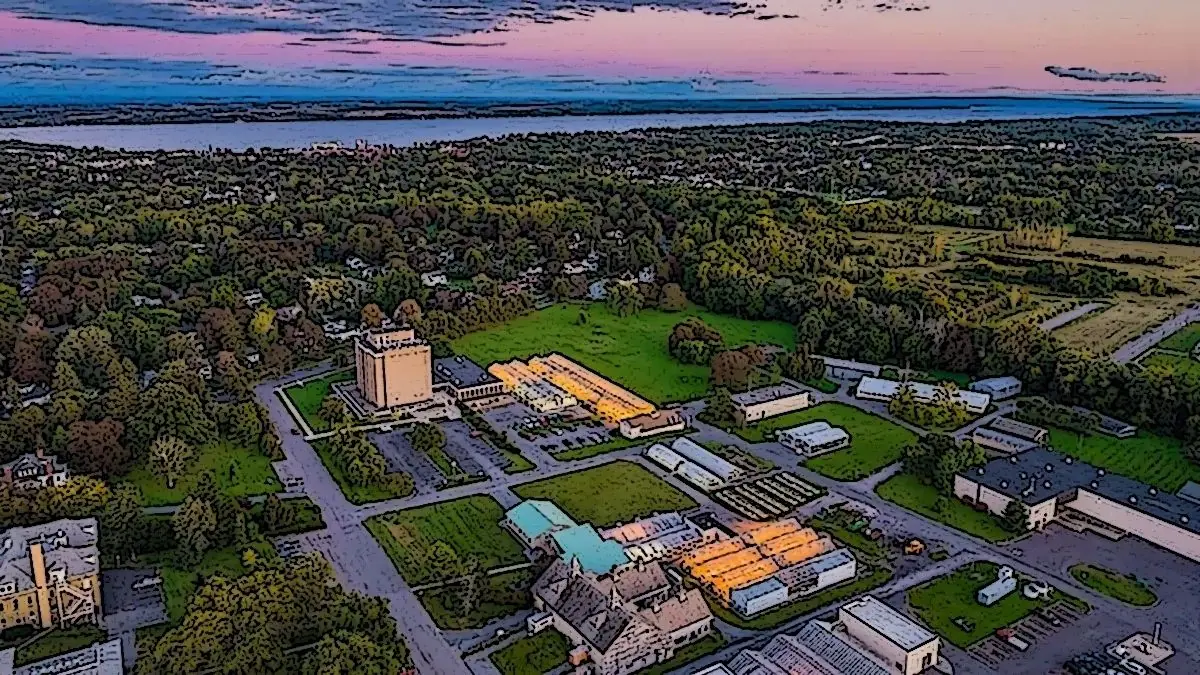
NYSERDA is promoting a transformation in building energy use through its “Large-Scale Thermal Program,” aiming to help the state achieve an 85% adoption rate of clean heating technologies in buildings by 2050
NYSERDA is promoting a transformation in building energy use through its “Large-Scale Thermal Program,” aiming to help the state achieve an 85% adoption rate of clean heating technologies in buildings by 2050, moving toward its legally mandated net-zero greenhouse gas emissions goal.
重點摘要
Executive Summary / Lead紐約州能源研究與發展局(NYSERDA)正透過「大規模熱能計畫(Large-Scale Thermal Program)」推動建築用能轉型,以協助該州實現2050年建築潔淨加熱技術普及率達85%的目標,並邁向法定的淨零溫室氣體排放願景。
NYSERDA is promoting a transformation in building energy use through its “Large-Scale Thermal Program,” aiming to help the state achieve an 85% adoption rate of clean heating technologies in buildings by 2050, moving toward its legally mandated net-zero greenhouse gas emissions goal.
Program Manager Dougherty noted that New York has approximately 6 million buildings. While not all require complete renovation, effective solutions must be provided for a large number of existing aging buildings as well as new construction.
企業與產業背景
Company & Industry ContextNYSERDA 計畫經理道赫提(Dougherty)指出,州內約有600萬棟建築,雖不需全面翻新,但必須針對大量既有老舊建物與新建建築提出有效解方。
Applications Open Until July - Existing Buildings Can Receive Up to $750,000 in Funding
The third round of applications for the Large-Scale Thermal Program is currently open and will close in July. Selected projects can receive subsidies covering 50% of design costs, with a maximum of $300,000 for new buildings and up to $750,000 for existing buildings.
挑戰與重要性
Challenge / Why It Matters補助申請開放至七月 既有建物最高可獲75萬美元資助
「大規模熱能計畫」目前正開放第三輪申請,截止至七月。獲選案可獲得設計費用的50%補助,新建建物最高可得30萬美元,既有建築則可達75萬美元。
道赫提說,老舊設施與需更新暖氣、空調系統的建築,新建案與大型建築或校園等能發揮規模經濟者,最能從該計畫中受益。
補助涵蓋多種高效低碳技術,如地源、空氣源與水源熱泵、建築與污水熱回收、太陽能熱能系統及熱能儲存系統等。道赫提強調:「我們協助業主達成目標,而非強制指定技術路線。」
Dougherty explained that older facilities and buildings needing heating and cooling system upgrades, as well as new projects and large buildings or campuses that can leverage economies of scale, stand to benefit the most from the program.
The funding supports a variety of efficient, low-carbon technologies including ground source, air source, and water source heat pumps, building and wastewater heat recovery, solar thermal systems, and thermal energy storage. Dougherty emphasized, “We assist owners in meeting their goals rather than mandating specific technical pathways.”
行動、方案與執行
Action / Solution / Implementation鼓勵參與需量反應與儲能 減輕電網壓力
NYSERDA 特別鼓勵具「電網友善性」的提案,如能參與電力公司需量反應(demand response)計畫,或在尖峰時段之外儲熱、供熱的方案。
「我們希望擴大熱能儲存與其他可減輕電網壓力的解決方案,」她補充。
延續社區熱泵計畫成果 推動城市與校園示範
本計畫延續2021年啟動的「社區熱泵系統計畫(Community Heat Pump Systems Program)」,當時資助紐約州50多處場域進行地熱網路可行性評估、設計與建置。
Encouraging Demand Response and Energy Storage to Ease Grid Pressure
NYSERDA particularly encourages “grid-friendly” proposals, such as those that participate in utility demand response programs or store and supply heat outside of peak periods.
“We want to expand thermal storage and other solutions that help alleviate grid stress,” Dougherty added.
Building on Community Heat Pump Program Success to Promote Urban and Campus Demonstrations
This program builds on the 2021-initiated Community Heat Pump Systems Program, which funded feasibility assessments, design, and installation of geothermal networks at over 50 sites across New York.
證據、成果與影響
Evidence / Results / Impact道赫提指出,包括布魯克林新建雙塔住宅的地源熱泵、布朗克斯18棟合作住宅的熱回收系統可行性研究,以及康乃爾大學農業實驗站校區以低溫水循環取代燃氣蒸汽系統的提案,皆為代表性案例。
她表示,紐約市這些空間受限的案場,提供了都市開發者參考緊湊型地熱設計的寶貴經驗。例如布魯克林案場的地熱鑽井設計具有示範性,而布朗克斯計畫則結合周邊安養院、社區中心與商業建物的互補供熱負載,可望大幅提升系統效率。
Dougherty cited representative examples including ground source heat pumps in newly constructed twin towers in Brooklyn, feasibility studies on heat recovery systems in 18 cooperative residences in the Bronx, and Cornell University Agricultural Experiment Station’s plan to replace gas steam systems with low-temperature water circulation.
She noted that these New York City projects, constrained by space, provide valuable experience for urban developers on compact geothermal designs. For example, Brooklyn’s geothermal well design is exemplary, while the Bronx project integrates complementary heating loads from a nearby nursing home, community center, and commercial buildings, significantly enhancing system efficiency.
產業與制度意涵
Industry & Institutional Implications過渡期策略重要 不強求全面電氣化
道赫提也強調,建築去碳化是一場長期轉型,NYSERDA 並不預期申請案能立即做到全面電氣化。以康乃爾計畫為例,部分設施仍將保留天然氣鍋爐應對冬季尖峰供暖需求,特別是研究型溫室需要全年恆溫的特殊條件。
Transition Strategy Is Key - No Immediate Full Electrification Required
Dougherty also emphasized that building decarbonization is a long-term transformation and NYSERDA does not expect applicants to fully electrify immediately. For example, some facilities in the Cornell project will retain natural gas boilers to meet winter peak heating demands, especially for research greenhouses that require year-round stable temperatures.
SNN 編輯與揭露前證據基礎設施觀點
SNN Editorial / Pre-Disclosure Evidence Infrastructure Perspective「我們理解這是一段過渡期,」她說。「我們不會要求申請案明天就電氣化一切。」
“We understand this is a transition period,” she said. “We don’t require applicants to electrify everything overnight.”
未來展望
Future Outlook紐約州透過這項資助計畫,持續推動潔淨暖能與去碳轉型,並以務實、漸進的方式實現全州建築淨零排放目標。
Through this funding program, New York continues to advance clean heating and decarbonization in buildings with a practical and gradual approach to achieve statewide net-zero emission targets.
來源、證據鏈與責任編輯
主題中心:氣候與能源轉型
SNN.TW 原始刊登紀錄 ↗