
全球脈動
綠色遊艇潮
隨著全球減碳與永續浪潮加速,遊艇產業正經歷一場結合高端設計與環境責任的結構性轉型。從材料創新、數位技術到替代能源應用,新一代遊艇不僅提升航行體驗,也大幅降低對海洋生態的衝擊,逐步改寫「奢華航海」的定義。
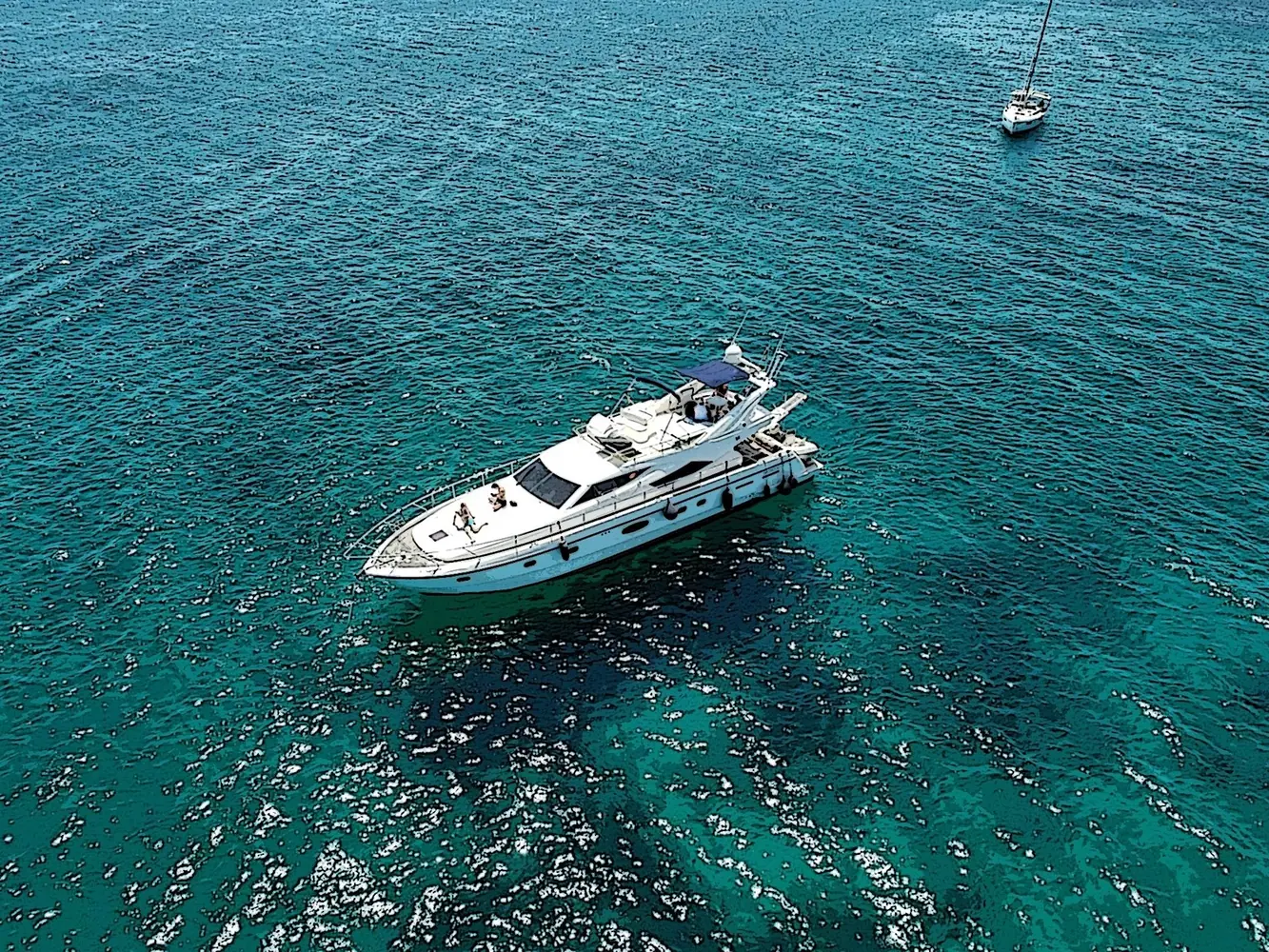
The yacht industry is undergoing a structural transformation that integrates luxury design with environmental responsibility
Amid accelerating global decarbonization and sustainability trends, the yacht industry is undergoing a structural transformation that integrates luxury design with environmental responsibility. From material innovation and digitalization to alternative energy adoption, next-generation yachts are enhancing user experience while significantly reducing their impact on marine ecosystems, redefining the concept of luxury yachting.
重點摘要
Executive Summary / Lead隨著全球減碳與永續浪潮加速,遊艇產業正經歷一場結合高端設計與環境責任的結構性轉型。從材料創新、數位技術到替代能源應用,新一代遊艇不僅提升航行體驗,也大幅降低對海洋生態的衝擊,逐步改寫「奢華航海」的定義。
Amid accelerating global decarbonization and sustainability trends, the yacht industry is undergoing a structural transformation that integrates luxury design with environmental responsibility. From material innovation and digitalization to alternative energy adoption, next-generation yachts are enhancing user experience while significantly reducing their impact on marine ecosystems, redefining the concept of luxury yachting.
企業與產業背景
Company & Industry Context當前遊艇設計的核心趨勢,在於以輕量化與高效率為導向。透過先進複合材料與新型建造技術,現代遊艇在強度提升的同時大幅減輕重量,進而降低燃料消耗與碳排放。此外,數位設計工具的導入,使設計師能在開發階段即優化能源使用與船體結構,達成更高的環境績效。
A central trend in modern yacht design is the pursuit of lightweight and high-efficiency structures. Advanced composite materials and new construction techniques allow yachts to become stronger while reducing weight, thereby lowering fuel consumption and carbon emissions. In parallel, digital design tools enable engineers to optimize energy use and hull performance at the development stage, improving overall environmental performance.
挑戰與重要性
Challenge / Why It Matters在材料應用方面,業界正逐步以天然纖維取代傳統難以回收的複合材料,並結合大型3D列印技術,以纖維強化材料製造船體結構。此舉不僅降低材料浪費,也提升客製化能力,符合循環經濟與資源效率的發展方向。
On the materials front, the industry is gradually replacing traditional, hard-to-recycle composites with natural fibers, while integrating large-scale 3D printing using fiber-reinforced materials. This approach reduces material waste and enhances customization, aligning with circular economy principles and resource efficiency goals.
行動、方案與執行
Action / Solution / Implementation同時,數位化營運系統正在重塑船上管理模式。即時監測能源與水資源使用的智慧系統,讓長時間航行更加高效且環保。再加上自動化控制與新一代能源系統的整合,遊艇可運用太陽能與風能等再生能源,減少對化石燃料的依賴,進一步降低碳足跡。
Digital operational systems are also transforming onboard management. Real-time monitoring of energy and water usage improves efficiency during extended voyages. Combined with automated controls and next-generation energy systems, yachts can increasingly utilize renewable sources such as solar and wind power, reducing reliance on fossil fuels and lowering carbon footprints.
證據、成果與影響
Evidence / Results / Impact在動力技術方面,氫能與混合動力系統逐漸成為產業研發焦點。零排放遊艇的概念正從實驗階段走向實際應用,例如由 Vitters、Dykstra Naval Architects 與 Vripack Yacht Design 合作開發的 ZERO 計畫,即嘗試以太陽能與水力發電(hydrogeneration)供應船上系統,目標實現完全無化石燃料航行。該計畫亦透過 Foundation Zero 公開研究成果,加速產業技術擴散。
In propulsion technology, hydrogen and hybrid systems are emerging as key areas of innovation. Zero-emission yacht concepts are moving closer to reality, exemplified by the ZERO project developed by Vitters, Dykstra Naval Architects, and Vripack Yacht Design. The project explores the use of solar energy and hydrogeneration to power onboard systems, aiming to eliminate fossil fuel dependence. Through Foundation Zero, the initiative openly shares its research to accelerate industry-wide progress.
產業與制度意涵
Industry & Institutional Implications此外,「隱形科技」正成為設計新趨勢。智慧玻璃、可收納式液壓平台與AI控制系統,使遊艇在維持極簡美學的同時,大幅提升功能性與舒適度。高速網路與即時氣象系統的導入,也讓航行決策更加精準,提升安全性與使用體驗。
“Invisible technologies” are also shaping modern yacht design. Smart glass, retractable hydraulic platforms, and AI-powered systems enhance functionality and comfort while maintaining minimalist aesthetics. The integration of high-speed internet and real-time weather systems further improves navigation decisions, safety, and user experience.
SNN 編輯與揭露前證據基礎設施觀點
SNN Editorial / Pre-Disclosure Evidence Infrastructure Perspective從產業發展角度來看,遊艇製造商已開始導入全生命週期評估(LCA),從設計、生產到退役回收全面考量環境影響。此舉不僅回應監管趨勢,也反映市場對低碳產品的需求升溫。同時,客製化設計需求持續增加,顯示消費者在追求個人化體驗的同時,也愈發重視永續價值。
From an industry perspective, yacht builders are increasingly adopting life cycle assessment (LCA) approaches to evaluate environmental impact from construction to end-of-life recycling. This shift responds to regulatory pressures and growing market demand for low-carbon products. At the same time, demand for personalized yacht design continues to rise, reflecting consumers’ desire for both customized experiences and sustainability.
未來展望
Future Outlook整體而言,遊艇產業正從以奢華與性能為主的傳統定位,轉型為融合科技創新與環境責任的綜合型產業。未來,隨著再生能源技術成熟與政策推動,低碳甚至零排放遊艇有望成為市場主流,並為海洋休閒活動建立更永續的發展模式。
Overall, the yacht industry is transitioning from a traditional focus on luxury and performance to a model that combines technological innovation with environmental stewardship. As renewable energy technologies mature and policy support strengthens, low-carbon and zero-emission yachts are expected to become mainstream, paving the way for a more sustainable future in marine leisure.
來源、證據鏈與責任編輯
主題中心:氣候與能源轉型
SNN.TW 原始刊登紀錄 ↗