
全球新聞
解決塑膠污染:創新、責任與消費文化的轉型之道
根據最新的統計數據,全球每年生產約4億噸塑膠,並有高達5700萬噸的塑膠廢棄物進入環境,成為全球最嚴重的污染來源之一。然而,針對塑膠污染的首份具有法律約束力的國際條約,在今年11月的談判中仍未能達成共識。
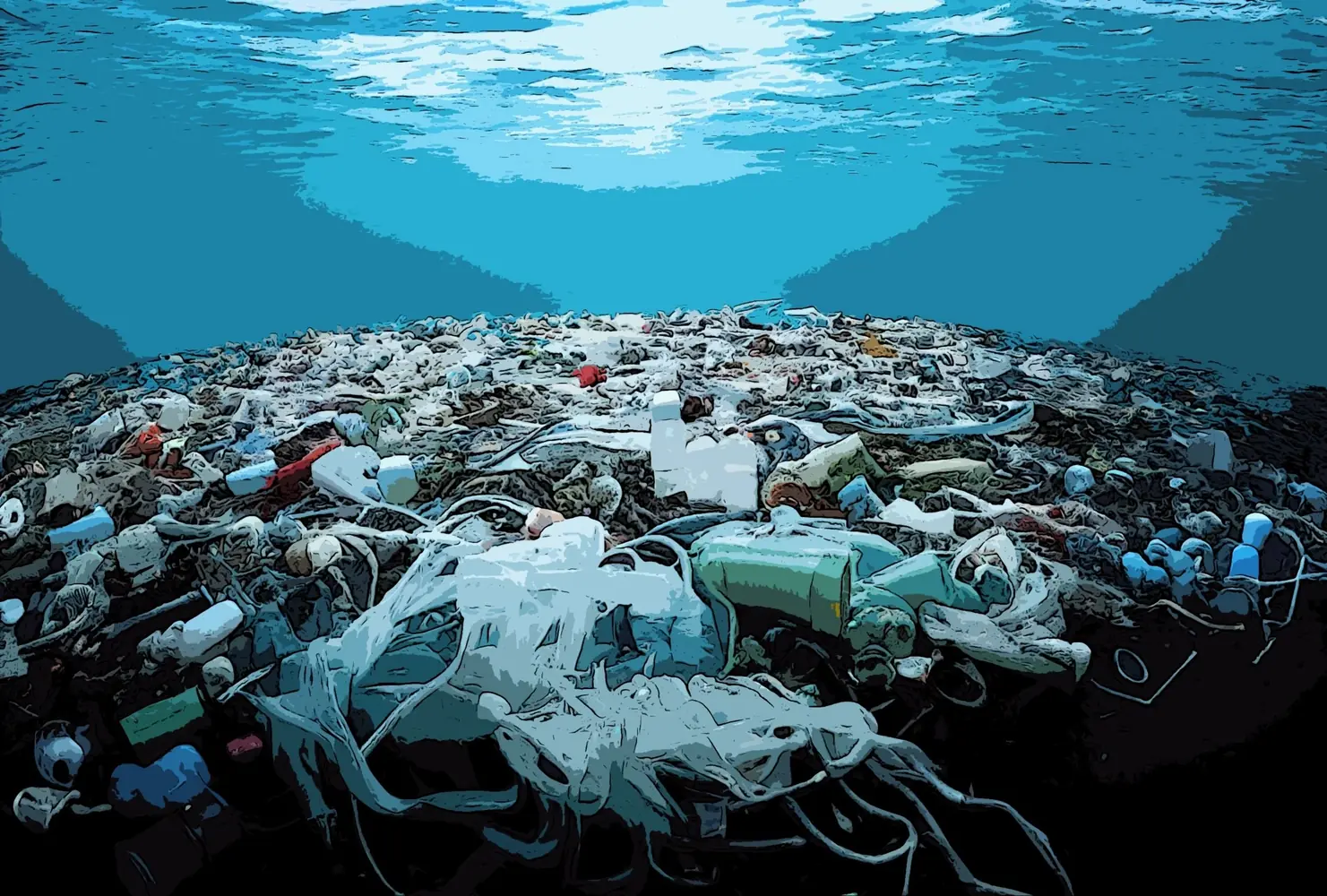
Solving plastic pollution: innovation, responsibility and the transformation of consumer culture
According to the latest statistics, about 400 million tons of plastic are produced globally every year, and up to 57 million tons of plastic waste enter the environment, becoming one of the most serious sources of pollution in the world. However, negotiations on the first legally binding international treaty on plastic pollution still failed to reach consensus in November this year.
重點摘要
Executive Summary / Lead根據最新的統計數據,全球每年生產約4億噸塑膠,並有高達5700萬噸的塑膠廢棄物進入環境,成為全球最嚴重的污染來源之一。然而,針對塑膠污染的首份具有法律約束力的國際條約,在今年11月的談判中仍未能達成共識。
包括沙烏地阿拉伯、伊朗、科威特及俄羅斯等主要石油生產國,拒絕支持條約中要求全球減少塑膠生產的條款。這些國家認為,隨著全球對清潔能源技術(如電動汽車)的需求日益增長,塑膠的生產和消費將成為抵禦石油需求下降的經濟支柱。隨著這場談判的失敗,塑膠污染問題的解決進一步變得複雜,國際社會亟需尋找新的方法來減少塑膠廢棄物並推動可持續發展。
According to the latest statistics, about 400 million tons of plastic are produced globally every year, and up to 57 million tons of plastic waste enter the environment, becoming one of the most serious sources of pollution in the world. However, negotiations on the first legally binding international treaty on plastic pollution still failed to reach consensus in November this year.
企業與產業背景
Company & Industry Context塑膠的百年歷史:從現代工業之星到環境隱患
Major oil-producing countries, including Saudi Arabia, Iran, Kuwait and Russia, have refused to support provisions in the treaty requiring global reductions in plastic production. These countries believe that as global demand for clean energy technologies such as electric vehicles grows, the production and consumption of plastic will become the backbone of the economy against falling oil demand. With the failure of this negotiation, the solution to the problem of plastic pollution has become further complicated, and the international community urgently needs to find new ways to reduce plastic waste and promote sustainable development.
挑戰與重要性
Challenge / Why It Matters塑膠的歷史可以追溯到1907年,當時化學家雷奧·貝克蘭德(Leo Baekeland)發明了一種名為酚醛樹脂(Bakelite)的合成塑膠。這種材料以其堅固、輕便和易於成型的特性迅速成為現代工業的明星材料,被廣泛應用於電話、收音機等日常用品的製造。
倫敦大學學院(UCL)材料與社會教授**馬克·米奧多尼克(Mark Miodowonik)**表示,塑膠的發明是一場工業革命,它改變了人類的生活方式與產品製造模式。然而,隨著塑膠的大規模生產,其環境問題也逐漸顯現。「到了1970年代,科學家已開始警告塑膠廢棄物進入垃圾掩埋場並長期存在的問題。但當時的製造商和消費者並未將其視為迫切需要解決的問題,反而繼續享受塑膠帶來的便利與廉價,」米奧多尼克說。
The century-old history of plastics: from modern industrial star to environmental hazard
The history of plastics can be traced back to 1907, when chemist Leo Baekeland invented a synthetic plastic called Bakelite. This material has quickly become a star material in modern industry due to its strong, light and easy-to-form properties, and is widely used in the manufacture of daily necessities such as phones and radios.
Mark Miodowonik, professor of materials and society at University College London (UCL), said that the invention of plastic was an industrial revolution that changed human lifestyles and product manufacturing models. However, with the large-scale production of plastics, environmental problems have gradually emerged. “By the 1970s, scientists were beginning to warn about the perpetuating problem of plastic waste entering landfills. But manufacturers and consumers at the time did not see it as an urgent problem that needed to be solved, and instead continued to enjoy the convenience and affordability of plastic,” Miodonic said.
行動、方案與執行
Action / Solution / Implementation塑膠污染的現狀:讓污染者付出代價
隨著環境保護運動的興起,各國政府和企業開始針對塑膠污染問題採取行動,但進展緩慢。2024年9月,美國聯邦政府成功起訴知名咖啡膠囊製造商 Keurig ,指控其虛假宣稱產品可回收,而實際上無法回收。最終,Keurig被處以150萬美元(約合新台幣4800萬元)的罰款。
The current state of plastic pollution: making polluters pay the price
With the rise of the environmental protection movement, governments and companies around the world have begun to take action against plastic pollution, but progress has been slow. In September 2024, the U.S. federal government successfully sued Keurig, a well-known coffee capsule manufacturer, accusing it of falsely claiming that its products were recyclable when in fact they could not be recycled. In the end, Keurig was fined US$1.5 million (approximately NT$48 million).
In addition, the California government also filed a lawsuit against **Exxon Mobil**, accusing it of deceptive practices in promoting the recyclability of plastic products. These cases demonstrate the government's efforts to hold people accountable for plastic pollution and serve as a warning to plastic manufacturers.
證據、成果與影響
Evidence / Results / Impact此外,加州政府也對**埃克森美孚(Exxon Mobil)**提起訴訟,指控其在塑膠產品的可回收性宣傳上存在欺詐行為。這些案件展現了政府在追究塑膠污染責任上的努力,並對塑膠生產商形成了警示效應。
深層挑戰:塑膠經濟與消費文化
米奧多尼克教授指出,塑膠污染問題的根源不僅在於企業的生產責任,更反映了全球消費文化對廉價和便利商品的需求。「我們的消費習慣助長了塑膠污染的擴大,因為我們更關注短期的便利,而忽略了長期的環境影響。」他認為,解決塑膠污染問題需要一場結構性的變革,包括提升消費者對塑膠污染的認識、推動生產者責任延伸制度(EPR),以及加強國際合作來制定更具約束力的政策。
Deep Challenge: Plastic Economy and Consumer Culture
Professor Miodonic pointed out that the root cause of the plastic pollution problem not only lies in the production responsibility of enterprises, but also reflects the global consumer culture's demand for cheap and convenient goods. "Our consumption habits have contributed to the expansion of plastic pollution because we focus more on short-term convenience and ignore the long-term environmental impact." He believes that solving the problem of plastic pollution requires a structural change, including raising consumers' awareness of plastic pollution, promoting the Extended Producer Responsibility System (EPR), and strengthening international cooperation to formulate more binding policies.
產業與制度意涵
Industry & Institutional Implications塑膠污染的未來:尋求可持續的解決方案
The future of plastic pollution: Looking for sustainable solutions
SNN 編輯與揭露前證據基礎設施觀點
SNN Editorial / Pre-Disclosure Evidence Infrastructure Perspective儘管國際條約談判尚未取得突破,全球已有越來越多的行動者嘗試通過創新技術和政策干預來減少塑膠污染。例如,塑膠回收技術的改進、替代材料的開發,以及消費模式的改變,正在逐漸為這一問題提供解決方向。「我們需要讓污染者付出代價,同時引導整個社會轉向更加可持續的生活方式,這是我們共同的責任,」米奧多尼克強調。
Although international treaty negotiations have yet to achieve a breakthrough, more and more actors around the world are trying to reduce plastic pollution through innovative technologies and policy interventions. For example, improvements in plastic recycling technology, the development of alternative materials, and changes in consumption patterns are gradually providing solutions to this problem. "We need to make polluters pay and at the same time lead society as a whole towards a more sustainable lifestyle. This is our shared responsibility," Miodonic stressed.
未來展望
Future Outlook塑膠污染問題已成為全球性挑戰,唯有透過各國政府、企業和公民的共同努力,才能真正實現對環境的長期保護,為未來的世代創造一個更綠色、更清潔的地球。
The problem of plastic pollution has become a global challenge. Only through the joint efforts of governments, enterprises and citizens of various countries can we truly achieve long-term protection of the environment and create a greener and cleaner earth for future generations.
來源、證據鏈與責任編輯
主題中心:企業與供應鏈
SNN.TW 原始刊登紀錄 ↗