
全球脈動
戰時石油供應衝擊加速電氣化,但再生能源擴張仍須通過電網、儲能與需求韌性考驗
SNN.TW 編輯報導SNN.TW Editorial Reporting
Reuters 指出中東衝突造成的石油供應中斷與高油價正在壓低部分市場需求,並放大電動運輸及再生電力的能源安全價值。中國 2026 年第二季排放與用油變化提供早期訊號,但戰時需求下降不等於結構性減碳,電網、儲能和負擔能力仍決定轉型能否持續。
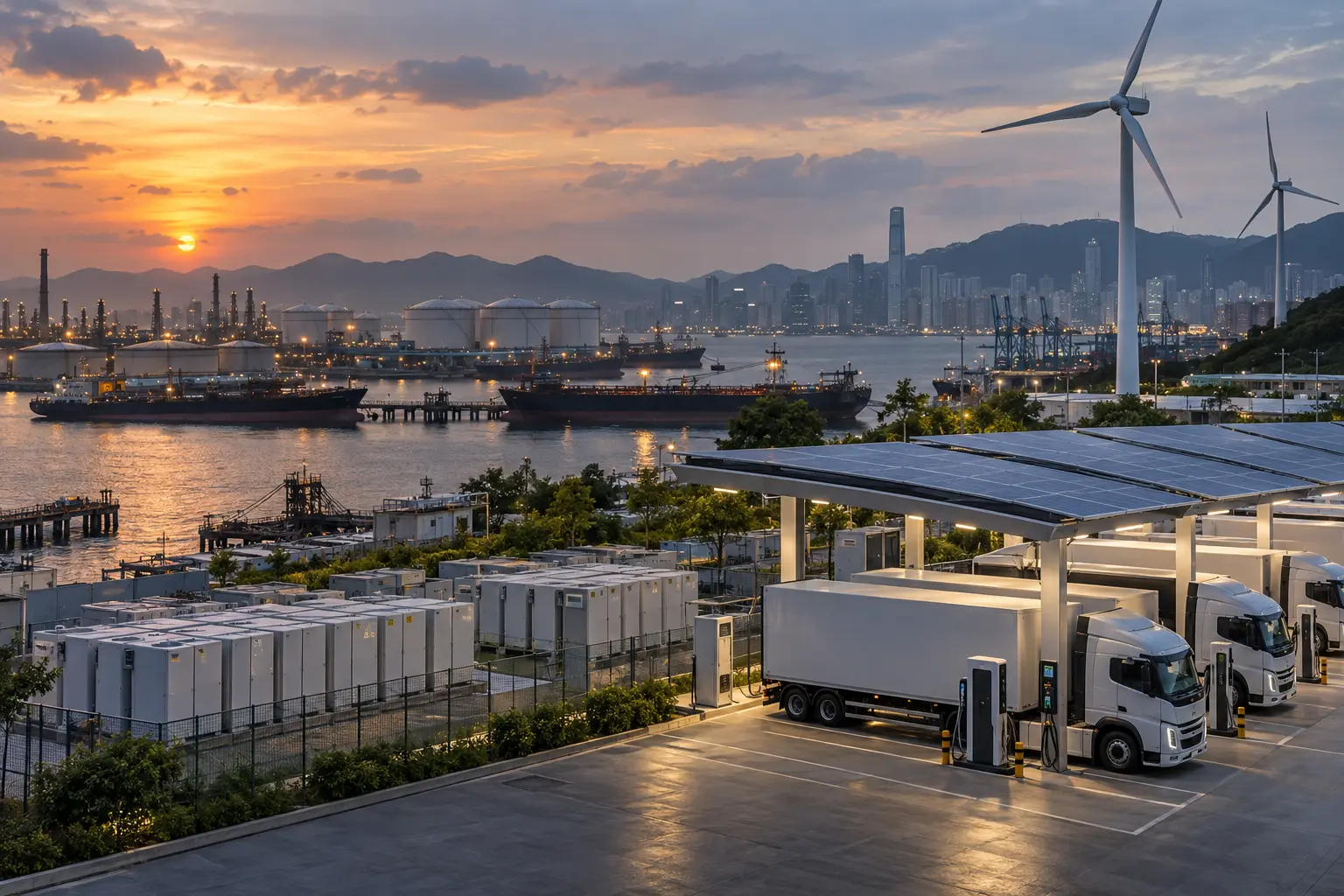
Oil-Supply Shock Accelerates Electrification, but Renewables Still Face Grid, Storage and Demand-Resilience Tests
Reuters reports that conflict-driven oil disruption and high prices are reducing demand in some markets and strengthening the energy-security case for electric transport and renewable power. China’s second-quarter 2026 oil and emissions changes provide an early signal, but wartime demand destruction is not structural decarbonisation. Grids, storage and affordability still determine whether the transition persists.
重點摘要
Executive Summary / LeadReuters 於 2026 年 9 月 4 日報導,中東衝突與航運限制擾動石油供應,高價迫使消費者與產業降低燃料需求,並提高電氣化與再生能源的相對吸引力。 CREA 分析稱中國 2026 年第二季二氧化碳排放年減約 1%,用油年減約 9%,電動車與電動卡車普及是重要因素,但油價、庫存和經濟活動亦影響短期結果。
Reuters reported on 4 September 2026 that conflict and shipping constraints disrupted oil supply, with high prices forcing consumers and industries to reduce fuel demand and increasing the relative attraction of electrification and renewables. A CREA analysis estimated that China’s second-quarter 2026 carbon dioxide emissions fell about 1 percent year on year while oil consumption fell about 9 percent. Electric vehicles and electric trucks were important, but prices, stocks and economic activity also affect the short-term result.
企業與產業背景
Company & Industry ContextReuters 於 2026 年 9 月 4 日報導,中東衝突與航運限制擾動石油供應,高價迫使消費者與產業降低燃料需求,並提高電氣化與再生能源的相對吸引力。;CREA 分析稱中國 2026 年第二季二氧化碳排放年減約 1%,用油年減約 9%,電動車與電動卡車普及是重要因素,但油價、庫存和經濟活動亦影響短期結果。;IEA 預期再生能源在 2026 年成為全球最大發電來源之一,並持續擴大低排放電力占比;這項結構趨勢仍受併網、限電、儲能與燃料替代速度制約。
Reuters reported on 4 September 2026 that conflict and shipping constraints disrupted oil supply, with high prices forcing consumers and industries to reduce fuel demand and increasing the relative attraction of electrification and renewables. A CREA analysis estimated that China’s second-quarter 2026 carbon dioxide emissions fell about 1 percent year on year while oil consumption fell about 9 percent. Electric vehicles and electric trucks were important, but prices, stocks and economic activity also affect the short-term result. The IEA expects renewables to become the largest global source of electricity in 2026 and low-emissions power to expand further. Grid connection, curtailment, storage and the pace of fuel substitution still constrain the structural trend.
挑戰與重要性
Challenge / Why It Matters戰時高價造成的需求破壞可能降低排放,也可能傷害家庭、運輸與製造業,不能直接視為有序轉型。中國用油下降須區分庫存去化、進口中斷、經濟活動、效率與電動化。電力替代若依賴高碳邊際發電或電網瓶頸,也可能削弱部分減排。
Demand destruction from wartime prices can lower emissions while harming households, transport and industry, so it is not an orderly transition. China’s oil decline must separate stocks, import disruption, activity, efficiency and electrification. If substitution relies on carbon-intensive marginal power or constrained grids, some emissions benefits may shrink.
行動、方案與執行
Action / Solution / Implementation政策與企業應同步追蹤燃料進口、庫存、價格、里程與產量、車種電氣化、充電電力組合、每小時發電、儲能、限電、停電與補貼。情境分析需把供應中斷、價格衝擊、替代速度與脆弱客戶分開,避免用年度平均掩蓋尖峰風險。
Governments and companies should track fuel imports, stocks, prices, mileage and output, vehicle electrification, charging mix, hourly generation, storage, curtailment, outages and subsidies. Scenarios should separate supply disruption, price shock, substitution speed and vulnerable customers rather than allowing annual averages to hide peak risk.
證據、成果與影響
Evidence / Results / Impact中國第二季數據顯示電動運輸可在供應危機中降低用油敏感度,但單一季度不能證明長期峰值或永久轉折。IEA 的全球趨勢支持再生能源成長方向,實際韌性仍須以各市場的容量可用率、電網與價格結果驗證。
China’s second-quarter data suggest electric transport can reduce oil sensitivity during a supply crisis, but one quarter cannot establish a permanent peak or turning point. IEA trends support renewable growth, while actual resilience still requires market-level evidence on availability, grids and prices.
產業與制度意涵
Industry & Institutional Implications能源轉型與能源安全正從兩條議題線合併。對淨進口經濟體而言,電動運輸、再生電力、儲能與需求管理能降低石油風險,但也把依賴轉移到電網設備、礦物、軟體與彈性資源。
Energy transition and energy security are converging. For net-importing economies, electric transport, renewables, storage and demand response can reduce oil exposure while shifting dependencies toward grids, minerals, software and flexibility resources.
SNN 編輯與揭露前證據基礎設施觀點
SNN Editorial / Pre-Disclosure Evidence Infrastructure PerspectiveSNN 編輯分析:台灣高度依賴進口能源,半導體、電子、石化、航運、航空與物流同時承受燃料價格、電力可靠度和客戶減碳要求。揭露前證據基礎設施應把油品與天然氣採購批次、到港、庫存、價格、設備燃料用量、運輸里程、車隊電氣化、充電點、每小時用電來源、再生能源憑證、儲能調度、停電與需求反應連成可重演時間序列。這能在能源安全、範疇 1 至 3、韌性投資或減碳成果揭露前,區分價格壓抑的短期減量、效率改善與真正燃料替代。台灣產業也不宜把再生能源裝置容量等同可用電力,應另記併網、限電、容量可用率與負擔能力。對製造業而言,停工造成的用能下降不能被寫成主動減碳;對運輸業而言,里程下降、載運量變化與車隊電氣化也須分開。若政府釋出安全庫存或企業改用替代燃料,還要保留批次、品質、價格與排放係數,才能判斷韌性成本及碳影響。此段為編輯解讀,不是來源已驗證事實。
SNN editorial analysis: Taiwan’s import-dependent energy system exposes semiconductor, electronics, petrochemical, shipping, aviation and logistics sectors to fuel prices, electricity reliability and customer decarbonisation demands at the same time. Pre-Disclosure Evidence Infrastructure should connect oil and gas purchase lots, arrivals, stocks, prices, equipment fuel use, transport distance, fleet electrification, charging points, hourly power source, renewable certificates, storage dispatch, outages and demand response as a reproducible time series. Before energy-security, Scope 1 to 3, resilience-investment or abatement disclosures are drafted, this allows temporary price-driven reductions, efficiency and genuine fuel substitution to remain distinct. Taiwan industry should also separate renewable nameplate capacity from usable power by retaining interconnection, curtailment, availability and affordability evidence. This is editorial interpretation, not a source-verified fact.
未來展望
Future Outlook後續應追蹤衝突與航運限制、全球油價、各國庫存政策、中國用油與排放後續季度、電動卡車滲透率,以及再生能源、儲能、限電與煤氣發電的實際變化。
Future review should track conflict and shipping constraints, oil prices, stock policies, later quarters of China oil and emissions data, electric-truck penetration and actual changes in renewables, storage, curtailment, coal and gas generation.
來源、證據鏈與責任編輯
來源媒體:Reuters · 原文作者:Ross Kerber · 原文發布:
外部論述與制度來源
以下外部公告、法規、研究或新聞用於支撐本文論述,並與原始出版分開呈現。
- primary automated discovery and factual sourceReutersOil-Supply Shock Accelerates Electrification, but Renewables Still Face Grid, Storage and Demand-Resilience Tests ↗出版日期 2026-09-04 · 查核時間 2026-09-05 10:22 (UTC+8)
Publication identity, attributed facts and source timing used for the SNN original bilingual summary.
- independent emissions and oil-demand analysisReutersChina shrinking appetite for oil behind emissions cut ↗出版日期 2026-09-03 · 查核時間 2026-09-05 10:22 (UTC+8)
China second-quarter oil consumption, emissions change and electric-vehicle drivers.
- global electricity outlookInternational Energy AgencyElectricity 2026: Supply ↗出版日期 2026-02 · 查核時間 2026-09-05 10:22 (UTC+8)
Renewable, nuclear, gas and coal generation trajectories through 2030.
- energy-security response contextInternational Energy Agency2026 Energy Crisis Policy Response Tracker ↗出版日期 2026 · 查核時間 2026-09-05 10:22 (UTC+8)
Government emergency measures and the scale of the global fuel-market disruption.
主題中心:氣候與能源轉型