
ENGLISH EDITION · 永續學堂
Bathroom Design Joins the Fight Against Plastic Pollution
World Environment Day's focus on plastic pollution is drawing attention to refill systems, material choices and product design in one of the home's most plastic-intensive spaces.
This English edition is available for independent reading and search discovery.
Executive Summary / Lead
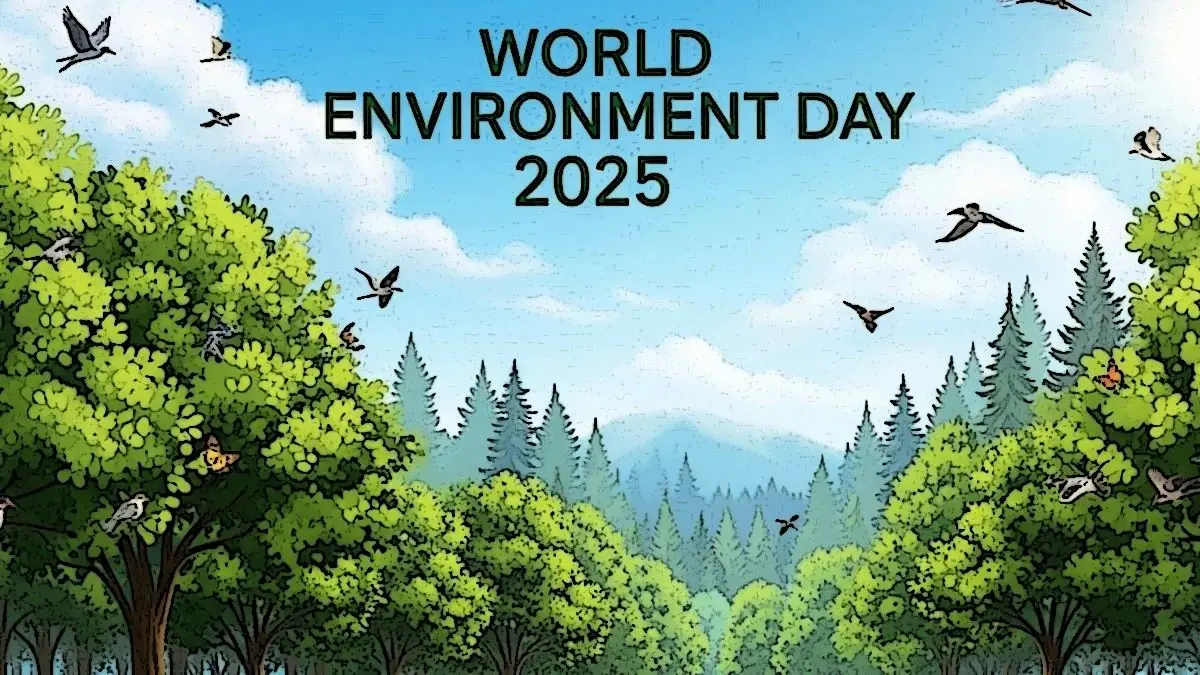
On June 5, 2025, as the world marks United Nations World Environment Day, global attention and action once again converge around the future of a sustainable planet. This year's theme, #BeatPlasticPollution, hosted by South Korea, highlights the alarming extent to which plastic pollution has infiltrated ecosystems worldwide - down to the level of human bloodstreams and placental samples. The organizers emphasize, “We are no longer merely dealing with plastic waste; we are living in a crisis era of microplastic coexistence, seeking urgent solutions.”
Company & Industry Context
A Plastic Crisis at the Brink: UN Calls for Systemic Transformation
According to the United Nations Environment Programme (UNEP), more than 400 million tons of plastic waste are produced globally each year - yet only about 9% is effectively recycled. The rest ends up in oceans, rivers, or landfills. Microplastics have now been detected in drinking water, air, fish, and even in human placentas and blood, posing potential threats to human health. In response, UNEP is spearheading negotiations for a Global Plastics Treaty, aiming to establish a legally binding international framework by the end of 2025.
Challenge / Why It Matters
Against this backdrop, World Environment Day has placed renewed emphasis on changing consumer behavior and design choices in daily life - particularly in household water use, plastic consumption, and building materials - ushering in a wave of what’s being called a “green design revolution.”
Sustainable Bathroom Design: Tackling Plastic and Carbon, One Shower at a Time
In an interview, Abhijeet Sonar, Marketing Director for India and South Asia at renowned German bathroom brand Hansgrohe, stated:
Action / Solution / Implementation
"When we talk about sustainable homes, many people assume it means sacrificing comfort or convenience. But in reality, with the right design principles and product choices, energy and water efficiency can absolutely coexist with a high-quality lifestyle."
He shared seven key strategies to transform bathroom spaces through smart technologies and innovative materials, offering practical green living solutions for consumers:
1. Smart Water-Saving Tech: Less Water, Same Comfort
Hansgrohe’s EcoSmart technology uses aeration and flow control to reduce water output by 40–60% without compromising pressure or comfort. This is a core solution for bathtubs, showers, and faucets, dramatically cutting water usage.
2. Integrated Smart Toilets: Creating a Zero-Waste Routine
Smart toilets (E-Toilets) feature automatic flushing, heated seats, temperature controls, and bidet functions, significantly reducing toilet paper usage and water consumption - while improving hygiene and resource efficiency.
3. Automatic Temperature Control: Energy Savings with Safety
By integrating thermostatic valves and temperature-controlled faucets, users can set their ideal water temperature and eliminate wasteful "trial-and-error" adjustments. This also prevents accidental scalding, especially for children and the elderly.
Evidence / Results / Impact
4. Durable Materials: Reduce Replacement and Waste
Hansgrohe emphasizes the use of high-quality brass, stainless steel, and ceramic valves - materials that extend the life of bathroom products, reduce the need for frequent replacements, and minimize construction waste.
5. Multi-Functional Design: Less Clutter, Less Waste
Products like integrated sink-and-storage units optimize space while avoiding excessive purchases and unnecessary renovations. This is a crucial solution for sustainable design in compact homes.
6. Foster Water- and Energy-Conscious Habits
Simple behavioral changes - such as turning off taps, taking shorter showers, checking for leaks, and adjusting water heater settings - may seem minor but can collectively yield significant reductions in household carbon footprints.
7. Invest in Smart Water Monitoring Devices
Next-gen bathroom fixtures now feature real-time water usage tracking and personalized feedback, helping users visualize and manage their consumption - turning previously “invisible” waste into actionable sustainability data.
Industry & Institutional Implications
The Bathroom as a Launchpad for Green Transformation
According to the UN climate reports, buildings and their usage phase account for around 28% of global carbon emissions, while approximately 40% of household water consumption occurs in the bathroom. This means every design upgrade or behavior shift in these spaces can significantly contribute to decarbonization and plastic reduction.
SNN Editorial / Pre-Disclosure Evidence Infrastructure Perspective
On the policy front, regions including the EU, India, and South Korea have introduced water efficiency labeling and residential energy performance regulations, with smart bathrooms increasingly promoted as part of national carbon reduction strategies. Meanwhile, companies are investing heavily in net-zero construction materials, low-carbon design, and circular material innovation.
Future Outlook
As Hansgrohe puts it:
"The homes of the future won’t just be spaces of aesthetic expression - they’ll be arenas for practicing environmental responsibility."
Sources, evidence chain and editorial responsibility
Topic hub: 企業與供應鏈