永續學堂
從世界環境日看浴室革命:永續設計如何打擊塑膠污染
2025 年 6 月 5 日,隨著聯合國「世界環境日」的到來,全球社會再次凝聚對地球永續未來的關注與行動。今年主題為「#BeatPlasticPollution(打擊塑膠污染)」,由南韓主辦,凸顯塑膠汙染已滲透全球各個生態層面,甚至進入人體血液與胎盤等研究樣本之中。主辦單位強調:「我們不再只是面對塑膠垃圾問題,而是在與微塑膠共存的危機時代中尋求解方。」
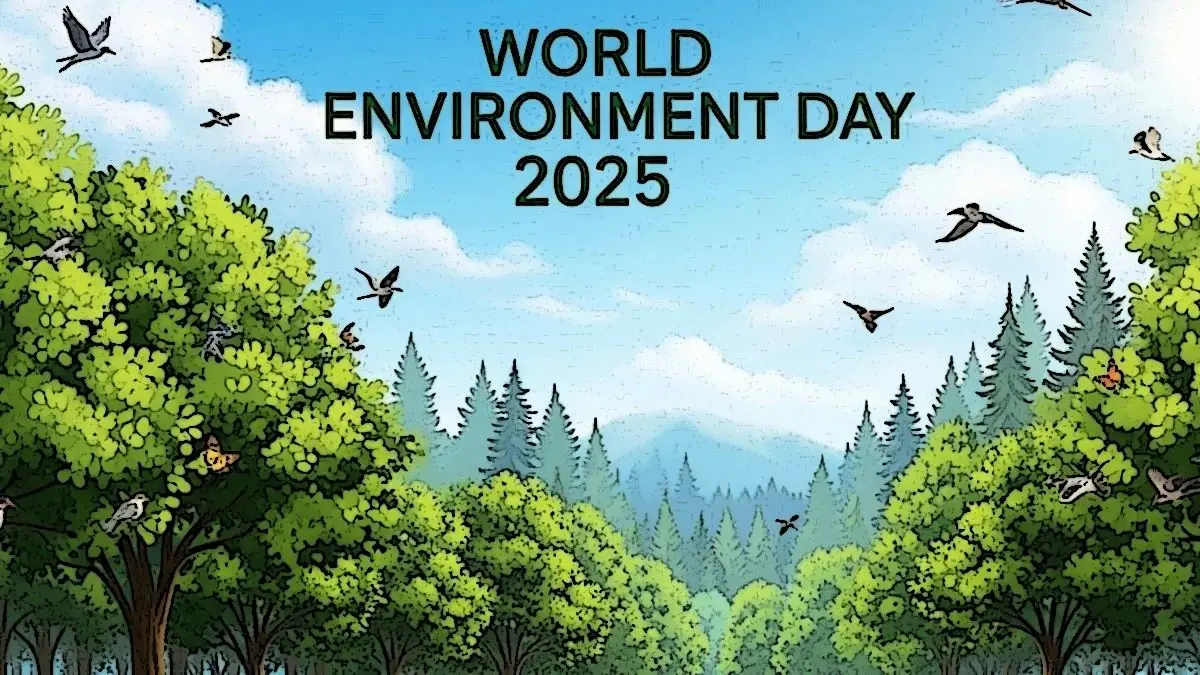
Bathroom Design Joins the Fight Against Plastic Pollution
World Environment Day's focus on plastic pollution is drawing attention to refill systems, material choices and product design in one of the home's most plastic-intensive spaces.
重點摘要
Executive Summary / Lead2025 年 6 月 5 日,隨著聯合國「世界環境日」的到來,全球社會再次凝聚對地球永續未來的關注與行動。今年主題為「#BeatPlasticPollution(打擊塑膠污染)」,由南韓主辦,凸顯塑膠汙染已滲透全球各個生態層面,甚至進入人體血液與胎盤等研究樣本之中。主辦單位強調:「我們不再只是面對塑膠垃圾問題,而是在與微塑膠共存的危機時代中尋求解方。」
On June 5, 2025, as the world marks United Nations World Environment Day, global attention and action once again converge around the future of a sustainable planet. This year's theme, #BeatPlasticPollution, hosted by South Korea, highlights the alarming extent to which plastic pollution has infiltrated ecosystems worldwide - down to the level of human bloodstreams and placental samples. The organizers emphasize, “We are no longer merely dealing with plastic waste; we are living in a crisis era of microplastic coexistence, seeking urgent solutions.”
企業與產業背景
Company & Industry Context塑膠危機迫在眉睫,聯合國呼籲系統性轉型
根據聯合國環境規劃署(UNEP)數據,全球每年生產超過 4 億噸塑膠廢棄物,其中僅約 9% 被有效回收,其餘大多最終進入海洋、河川或掩埋場。微塑膠如今已被檢測出存在於飲用水、空氣、魚類、甚至人類胎盤與血液中,對健康構成潛在威脅。為此,UNEP 正推動《全球塑膠公約》,預計將於 2025 年底前完成談判,建立具法律約束力的國際機制。
A Plastic Crisis at the Brink: UN Calls for Systemic Transformation
According to the United Nations Environment Programme (UNEP), more than 400 million tons of plastic waste are produced globally each year - yet only about 9% is effectively recycled. The rest ends up in oceans, rivers, or landfills. Microplastics have now been detected in drinking water, air, fish, and even in human placentas and blood, posing potential threats to human health. In response, UNEP is spearheading negotiations for a Global Plastics Treaty, aiming to establish a legally binding international framework by the end of 2025.
挑戰與重要性
Challenge / Why It Matters在這樣的背景下,如何從日常生活出發、推動消費與設計行為改變,成為世界環境日的重要延伸議題。尤其在家庭用水、塑膠使用與居家建材等領域,正出現一波「綠色設計革命」。
永續衛浴設計:從浴室開始打擊塑膠與碳排放
德國知名衛浴品牌 Hansgrohe 印度與南亞市場行銷總監 Abhijeet Sonar 在接受專訪時指出:「談到永續居家,許多人會誤以為是犧牲便利或舒適。但事實上,只要掌握正確設計原則與選擇,節能節水與舒適生活是可以並存的。」
Against this backdrop, World Environment Day has placed renewed emphasis on changing consumer behavior and design choices in daily life - particularly in household water use, plastic consumption, and building materials - ushering in a wave of what’s being called a “green design revolution.”
Sustainable Bathroom Design: Tackling Plastic and Carbon, One Shower at a Time
In an interview, Abhijeet Sonar, Marketing Director for India and South Asia at renowned German bathroom brand Hansgrohe, stated:
行動、方案與執行
Action / Solution / Implementation他進一步提出七大永續衛浴轉型策略,結合現代科技與材料創新,為消費者提供實用的綠色生活解方:
一、智慧節水科技,減量不減壓
Hansgrohe 的 EcoSmart 技術透過混氣設計與流量控制,可將出水量降低至原本的 40%-60%,但水壓與洗浴體驗依然充足。這對於浴缸、蓮蓬頭與水龍頭設備而言,是降低用水的核心關鍵。
二、智能馬桶整合,打造零浪費日常
E-Toilet 智能馬桶整合自動沖洗、暖座、溫控與 bidet 清潔功能,可有效減少衛生紙用量與沖水次數,進一步提升衛生與資源效率。
三、自動控溫系統,節能兼顧安全
透過恆溫閥與熱控龍頭,使用者可設定目標水溫,無需開水等待「剛剛好」,避免能源浪費並提升使用安全性,尤其對孩童與年長者而言具安全防燙意義。
"When we talk about sustainable homes, many people assume it means sacrificing comfort or convenience. But in reality, with the right design principles and product choices, energy and water efficiency can absolutely coexist with a high-quality lifestyle."
He shared seven key strategies to transform bathroom spaces through smart technologies and innovative materials, offering practical green living solutions for consumers:
1. Smart Water-Saving Tech: Less Water, Same Comfort
Hansgrohe’s EcoSmart technology uses aeration and flow control to reduce water output by 40–60% without compromising pressure or comfort. This is a core solution for bathtubs, showers, and faucets, dramatically cutting water usage.
2. Integrated Smart Toilets: Creating a Zero-Waste Routine
Smart toilets (E-Toilets) feature automatic flushing, heated seats, temperature controls, and bidet functions, significantly reducing toilet paper usage and water consumption - while improving hygiene and resource efficiency.
3. Automatic Temperature Control: Energy Savings with Safety
By integrating thermostatic valves and temperature-controlled faucets, users can set their ideal water temperature and eliminate wasteful "trial-and-error" adjustments. This also prevents accidental scalding, especially for children and the elderly.
證據、成果與影響
Evidence / Results / Impact四、選用高耐用材料,減少更換與浪費
Hansgrohe 強調高品質黃銅、不鏽鋼與陶瓷閥芯的應用,有助於提升衛浴設備壽命,避免頻繁更換,減少不必要的資源消耗與建築廢棄物。
五、多功能設備設計,減少物件冗餘
例如結合洗臉盆與收納機能的整合型衛浴系統,既節省空間,也能避免過度購物與裝潢浪費,是小宅永續設計的重要解方。
六、養成日常節水節能習慣
從關閉水龍頭、使用短時沐浴模式、定期檢查漏水裝置,到將熱水設定為合適溫度,這些行為轉變看似微小,實則在家庭層級累積出顯著的碳足跡改善效益。
七、投資於智慧水資源管理裝置
新型衛浴設備開始導入用水追蹤與使用建議功能,讓消費者能即時了解用水數據,並調整個人行為,進一步將「看不見的資源浪費」變為可見可管的永續指標。
4. Durable Materials: Reduce Replacement and Waste
Hansgrohe emphasizes the use of high-quality brass, stainless steel, and ceramic valves - materials that extend the life of bathroom products, reduce the need for frequent replacements, and minimize construction waste.
5. Multi-Functional Design: Less Clutter, Less Waste
Products like integrated sink-and-storage units optimize space while avoiding excessive purchases and unnecessary renovations. This is a crucial solution for sustainable design in compact homes.
6. Foster Water- and Energy-Conscious Habits
Simple behavioral changes - such as turning off taps, taking shorter showers, checking for leaks, and adjusting water heater settings - may seem minor but can collectively yield significant reductions in household carbon footprints.
7. Invest in Smart Water Monitoring Devices
Next-gen bathroom fixtures now feature real-time water usage tracking and personalized feedback, helping users visualize and manage their consumption - turning previously “invisible” waste into actionable sustainability data.
產業與制度意涵
Industry & Institutional Implications綠色轉型正從浴室開始,消費者將成未來永續革命關鍵推手
根據聯合國氣候報告指出,建築與室內使用階段(Use Phase)約占全球碳排放的 28%。而家庭用水中,約 40% 與衛浴空間有關。這也意味著,每一項衛浴設計與使用習慣的轉變,都可能成為減碳與減塑的重要環節。
The Bathroom as a Launchpad for Green Transformation
According to the UN climate reports, buildings and their usage phase account for around 28% of global carbon emissions, while approximately 40% of household water consumption occurs in the bathroom. This means every design upgrade or behavior shift in these spaces can significantly contribute to decarbonization and plastic reduction.
SNN 編輯與揭露前證據基礎設施觀點
SNN Editorial / Pre-Disclosure Evidence Infrastructure Perspective在政策層面,歐盟、印度、南韓等地皆已將「節水標章」與「居家能效」納入建築法規,並推動智慧衛浴作為減碳策略之一。企業則紛紛投入淨零建材、低碳設計與循環材料的研發。
On the policy front, regions including the EU, India, and South Korea have introduced water efficiency labeling and residential energy performance regulations, with smart bathrooms increasingly promoted as part of national carbon reduction strategies. Meanwhile, companies are investing heavily in net-zero construction materials, low-carbon design, and circular material innovation.
未來展望
Future Outlook正如 Hansgrohe 所言:「未來居家將不再只是美學設計的展現場,更是實踐環境責任的場域。」
As Hansgrohe puts it:
"The homes of the future won’t just be spaces of aesthetic expression - they’ll be arenas for practicing environmental responsibility."
來源、證據鏈與責任編輯
主題中心:企業與供應鏈
SNN.TW 原始刊登紀錄 ↗