
永續學堂
你嘴裡的塑膠:口香糖如何成為環境隱形殺手
在全球塑膠污染問題日益嚴重的今天,許多人可能沒有意識到,每年有數千噸塑膠污染源自我們日常生活中的一個簡單行為——嚼口香糖。
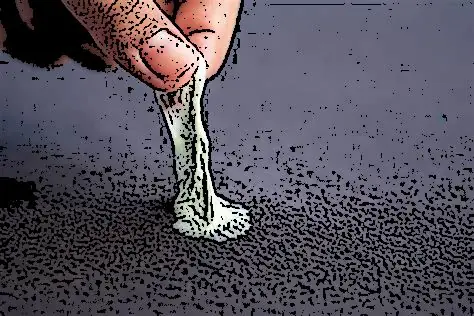
The Hidden Plastic Pollution: How Chewing Gum Contributes to Environmental Damage
The Hidden Plastic Pollution: How Chewing Gum Contributes to Environmental Damage
重點摘要
Executive Summary / Lead在全球塑膠污染問題日益嚴重的今天,許多人可能沒有意識到,每年有數千噸塑膠污染源自我們日常生活中的一個簡單行為——嚼口香糖。
口香糖的隱藏成分:合成塑膠的真相
大多數市售口香糖的主要成分其實是合成塑膠,與製造汽車輪胎、塑膠袋及工業黏膠的材料相似。例如,口香糖常見的「膠基(Gum Base)」中含有:
The Hidden Plastic Pollution: How Chewing Gum Contributes to Environmental Damage
As plastic pollution becomes an increasingly severe global issue, many people may not realize that thousands of tons of plastic waste originate from a simple daily habit - chewing gum.
企業與產業背景
Company & Industry Context這些合成材料雖能賦予口香糖良好的彈性與持久的咀嚼體驗,卻使其成為一種不會自然分解的塑膠污染源。
The Hidden Ingredients in Chewing Gum: The Truth About Synthetic Plastics
Most commercially available chewing gum is made from synthetic plastic, similar to the materials used in car tires, plastic bags, and industrial adhesives. The commonly used "gum base" in chewing gum contains:
While these synthetic materials provide elasticity and a long-lasting chewing experience, they also make chewing gum a non-biodegradable plastic pollutant.
挑戰與重要性
Challenge / Why It Matters全球口香糖污染的嚴重性
據統計,全球每年生產約1.74 兆片口香糖,總重量達243.6 萬噸,其中超過 73 萬噸是合成塑膠。這些口香糖在被丟棄後,可能經歷數十年才會逐漸裂解,最終形成微塑膠,進一步污染環境。
環境影響:口香糖污染如何影響生態
街道與城市環境污染
口香糖是全球街道上最常見的垃圾之一,英國地方政府估計每年需耗費約700 萬英鎊(約 2.8 億台幣)清理人行道上的口香糖污漬。這些清理工作通常需使用高溫蒸汽機與特殊化學劑,既耗時又昂貴。
The Global Scale of Chewing Gum Pollution
Each year, approximately 1.74 trillion pieces of chewing gum are produced worldwide, weighing a total of 2.436 million tons, with over 730,000 tons being synthetic plastic. Once discarded, these gums can take decades to break down, eventually forming microplastics and further polluting the environment.
行動、方案與執行
Action / Solution / Implementation土壤與水源污染
被丟棄的口香糖不僅污染街道,還可能被雨水沖入河川、湖泊與海洋。由於其主要成分是合成塑膠,這些口香糖不會自然降解,而是隨著時間分裂成微塑膠(Microplastics),進一步污染水源與海洋生態。
研究顯示,全球四分之一的微塑膠污染來自輪胎與合成橡膠,而口香糖的組成與其相似,這意味著它可能成為新興的微塑膠污染來源之一。這些微塑膠會進一步影響海洋生物,並透過食物鏈進入人體。
Environmental Impact: How Chewing Gum Pollution Affects Ecosystems
Street and Urban Pollution
Chewing gum is one of the most common forms of litter on streets worldwide. In the UK, local governments spend an estimated £7 million (about 280 million TWD) annually to remove chewing gum stains from sidewalks. These cleanup efforts require high-temperature steam machines and special chemical agents, making the process time-consuming and costly.
Soil and Water Contamination
Discarded chewing gum not only pollutes streets but can also be washed into rivers, lakes, and oceans by rainwater. Since gum is primarily made of synthetic plastic, it does not biodegrade but rather breaks down into microplastics, further contaminating water sources and marine ecosystems.
證據、成果與影響
Evidence / Results / Impact野生動物的健康威脅
當口香糖被丟棄於公園、森林或海灘時,野生動物可能會誤食,導致消化系統阻塞甚至死亡。例如:
解決方案:減少口香糖污染的可能對策
面對這一嚴峻的環境問題,許多國家與企業已開始尋找解決方案,包括政府政策、企業責任與消費者教育。
政府政策與立法
企業責任與綠色創新
隨著環保意識的提升,許多企業開始開發可生物降解的植物性口香糖,例如:
Studies suggest that one-fourth of global microplastic pollution originates from tires and synthetic rubber, meaning chewing gum - composed of similar materials - may be an emerging source of microplastic pollution. These microplastics can impact marine life and eventually enter the human food chain.
Threats to Wildlife
When chewing gum is discarded in parks, forests, or beaches, wildlife may mistake it for food, leading to digestive blockages or even death. Examples include:
Solutions: How to Reduce Chewing Gum Pollution
To tackle this growing environmental problem, governments, businesses, and consumers must work together through policies, corporate responsibility, and consumer education.
產業與制度意涵
Industry & Institutional Implications消費者教育與行動
Government Policies and Legislation
Corporate Responsibility and Green Innovation
As environmental awareness grows, several companies are developing biodegradable, plant-based chewing gum, including:
Consumer Education and Action
SNN 編輯與揭露前證據基礎設施觀點
SNN Editorial / Pre-Disclosure Evidence Infrastructure Perspective重新思考我們的口香糖習慣
Rethinking Our Chewing Gum Habits
Chewing gum pollution is an overlooked yet significant contributor to plastic waste, comparable to single-use plastics but even harder to clean up. To reduce this pollution:
未來展望
Future Outlook因為口香糖污染是一種長期被忽視的塑膠污染,其影響與一次性塑膠製品相當,甚至更難以清理。為了減少這種污染,政府應推動更嚴格的監管政策,例如徵收環保稅或要求更透明的標示規範;企業應積極研發可生物降解的替代產品,降低對環境的影響;而消費者則應選擇環保口香糖或減少使用,並確保正確丟棄,避免製造更多污染。每一個小小的改變都可能帶來深遠的影響,從今天開始,讓我們透過改變咀嚼習慣,共同為地球的未來努力。
Every small change can make a big difference. Starting today, let’s rethink our chewing habits and take action for a cleaner, healthier planet.
來源、證據鏈與責任編輯
主題中心:企業與供應鏈
SNN.TW 原始刊登紀錄 ↗