
議題探討
機器可讀,尚不等於機器可驗證
IASB 與 ISSB 兩項分類標準諮詢所揭示的揭露前證據缺口
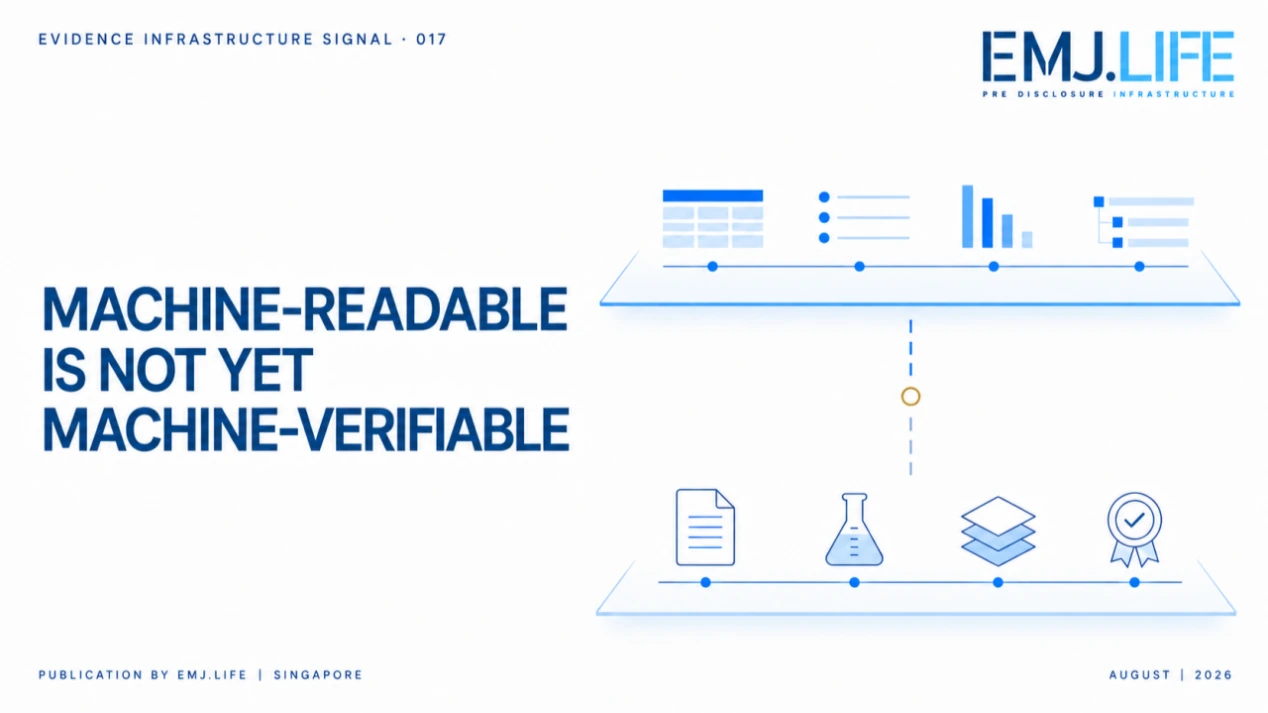
Machine-Readable Is Not Yet Machine-Verifiable: Why the IASB and ISSB Taxonomy Consultations Point to a Pre-Disclosure Evidence Gap
Why the IASB and ISSB Taxonomy Consultations Point to a Pre-Disclosure Evidence Gap
重點摘要
Executive Summary / LeadIASB 與 ISSB 正分別就兩套數位分類標準的更新徵詢意見。前者處理 IFRS 會計分類標準中的敘述性元素,後者則把 2025 年溫室氣體排放揭露修訂反映到 IFRS 永續揭露分類標準。兩者由不同理事會推動、處理不同要求,也有不同的意見徵詢期限;本文不把它們描述成一項協同提案。 然而,兩項諮詢共同凸顯一個更上游的執行問題:揭露資料即使已能被機器標記、擷取與比較,機器仍未必能驗證數字或敘述是依據哪些原始紀錄、方法、邊界、控制與核准程序形成。分類標準提升的是揭露層的可讀性;證據鏈是否完整、可追溯與可重建,則取決於揭露之前的治理。 因此,本期 Signal 的核心判斷是:機器可讀是一項必要能力,但不是機器可驗證的同義詞。若制度只標準化最終標籤,卻沒有連接標籤下方的來源、方法、責任與版本,數位揭露就可能形成「輸出高度結構化、證據仍然碎片化」的落差。
The IASB and ISSB are consulting separately on updates to two different digital taxonomies. The IASB proposal concerns narrative elements in the IFRS Accounting Taxonomy. The ISSB proposal reflects amendments to greenhouse gas emissions disclosures in the IFRS Sustainability Disclosure Taxonomy. They involve different boards, requirements and comment deadlines; this editorial does not present them as one coordinated proposal. Viewed side by side, however, they expose the same upstream implementation question. A disclosure can be consistently tagged, extracted and compared without enabling a machine—or an authorised reviewer—to verify which source records, methods, boundaries, controls and approvals produced it. A taxonomy improves the readability of the disclosure layer. It does not by itself make the supporting evidence complete, connected, current or reproducible. The central signal is therefore precise: machine-readable is a necessary capability, but it is not a synonym for machine-verifiable. If institutions standardise the final tag without connecting the evidence beneath it, digital reporting can produce a highly structured output resting on a fragmented evidence environment.
企業與產業背景
Company & Industry Context2026 年 6 月 3 日,IFRS Foundation 發布「IFRS Accounting Taxonomy 2025—Proposed Update 1 General Improvements」公開徵詢意見,截止日為 2026 年 9 月 7 日。提案包括依預定用途分類文字區塊元素、精簡既有敘述性元素,以及調整文件標籤與元素類型等一般性改善。其重點是敘述資訊如何以更一致、可辨識的方式進入數位財務報導。 2026 年 7 月 29 日,ISSB 另行發布 IFRS 永續揭露分類標準更新提案,反映 2025 年 12 月發布的溫室氣體排放揭露修訂,並於 2026 年 9 月 28 日截止徵詢意見。這項更新將新增或修訂後的揭露要求轉換成可供數位標記的結構,本身並不等於新增一套證據驗證制度。 數位分類標準的制度價值很明確:它讓報導元素具有一致名稱、定義與關係,使投資人、監理機關與分析系統更容易定位、比較及處理資訊。可是分類標準的起點通常是已經形成的揭露。從營運事件到最終揭露之間,仍存在資料取得、轉換、估算、判斷、內控、核准與版本管理等多個環節;這正是揭露前證據基礎設施所處理的制度空間。
On 3 June 2026, the IFRS Foundation published IFRS Accounting Taxonomy 2025—Proposed Update 1 General Improvements for public comment, with a 7 September 2026 deadline. The proposal includes categorising text block elements by intended use, streamlining existing narrative elements and making targeted improvements to documentation labels and element types. Its focus is the consistent digital representation of narrative financial information. On 29 July 2026, the ISSB published a separate proposed update to the IFRS Sustainability Disclosure Taxonomy, reflecting amendments to greenhouse gas emissions disclosures issued in December 2025. The project page identifies 28 September 2026 as the comment deadline. This proposal translates new or amended disclosure requirements into structures that can be digitally tagged; it does not create a separate evidence-verification regime. Digital taxonomies provide substantial institutional value. They give reported elements consistent names, definitions and relationships, supporting discovery, comparison and processing by investors, regulators and analytical systems. But their normal starting point is information that has already become disclosure. Between an operational event and the final report sit data capture, transformation, estimation, judgement, internal control, approval and version management—the institutional space in which pre-disclosure evidence infrastructure operates.
挑戰與重要性
Challenge / Why It Matters真正的挑戰不在於標籤是否正確,而在於標籤能否帶領使用者回到一條可驗證的形成路徑。數位標籤可以說明某個欄位代表溫室氣體排放量、會計政策或敘述性說明,卻不能單獨回答:資料來自哪一座廠、哪一套系統或哪一份供應商紀錄?使用哪個排放係數與計算版本?組織邊界是否一致?誰做了判斷、覆核與核准?報導後來源資料是否又被修改? 對敘述性揭露而言,問題同樣存在。較大的文字區塊或更精確的敘述元素可以保存更多語境,但無法自行證明管理階層判斷所依據的文件是否完整、當時有效或已受控制。分類標準描述「揭露是什麼」;它不會自動建立「為什麼形成這項揭露」的證據。 若這些關係仍散落在試算表、ERP、顧問工作底稿、電子郵件、人工簽核與不同團隊的資料夾中,企業仍可能提交技術上有效的機器可讀報告,卻無法讓內部稽核、確信提供者或監理使用者穩定重建來源到揭露的路徑。此時,數位化加快了資訊流通,卻沒有同步降低證據不連續的風險。
The implementation challenge is not only whether the tag is technically valid. It is whether the tag can lead an authorised user back through a governed formation path. A digital element may identify a greenhouse gas emissions figure, an accounting policy or a narrative disclosure. It cannot independently establish which plant, system or supplier record supplied the data; which factor and calculation version were used; whether the organisational boundary remained consistent; who exercised judgement; or which evidence was reviewed and approved. Narrative reporting raises the same issue. Larger text blocks and more precise narrative elements may preserve context, but they do not prove that the documents supporting management judgement were complete, current or controlled at the reporting date. A taxonomy describes what a disclosure is. It does not automatically establish why the disclosure was formed. When these relationships remain dispersed across spreadsheets, ERP systems, consultant workpapers, email approvals and separate team repositories, an entity may produce a technically valid machine-readable filing while internal audit, assurance providers and regulators remain unable to reproduce the source-to-disclosure path reliably. Digitalisation then accelerates circulation without resolving evidential discontinuity.
行動、方案與執行
Action / Solution / Implementation可行的執行方向,是把每一項重要揭露視為一個受治理的「證據物件」,而不只是最後報告中的欄位。該物件至少應連接:揭露主張、原始來源、計算或判斷方法、適用邊界、資料擁有人、控制與覆核狀態、核准權限、分類標準元素,以及實際進入報告的版本與時間點。 這套架構不取代 IFRS 會計或永續揭露分類標準,也不改寫其技術元素。它把數位標籤放在證據鏈的最後一段,並在上游建立可追溯的對應關係。當來源資料、排放係數、估算方法或邊界發生變更時,系統應保存新舊版本與影響範圍,而不是覆寫先前形成揭露的依據。 企業可以從高風險或高判斷性的揭露開始:先定義唯一識別碼與責任人,再建立來源快照、方法紀錄、控制證據、核准紀錄與 taxonomy mapping。數位申報團隊負責標籤正確性,財務、永續、資料治理、內控與確信團隊則共同維護標籤下方的證據鏈。機器可驗證並不表示讓演算法自行判定真偽;它表示授權使用者能以一致方式重建形成過程並檢查其控制狀態。
A practical response is to treat every material disclosure as a governed evidence object, not merely as a field in the final report. At minimum, that object should connect the reported claim, primary source, calculation or judgement method, applicable boundary, data owner, control status, reviewer, approving authority, taxonomy element, and the exact version and time that entered the report. This architecture does not replace an IFRS Accounting or Sustainability Disclosure Taxonomy and does not alter their technical elements. It positions the digital tag at the final stage of an evidence chain and governs the upstream relationships. When source data, emissions factors, estimation methods or boundaries change, the system should preserve the previous evidence state and its impact rather than overwrite the basis on which an earlier disclosure was prepared. Implementation can begin with high-risk or judgement-intensive disclosures. Assign a stable identity and accountable owner; preserve source snapshots, method records, control evidence and approvals; and link them to the taxonomy mapping. Filing teams remain responsible for tagging quality, while finance, sustainability, data governance, internal control and assurance teams jointly maintain the evidence beneath the tag. Machine-verifiable does not mean automated truth. It means that authorised users can reconstruct the formation process consistently and inspect its governance state.
證據、成果與影響
Evidence / Results / Impact兩筆官方來源支持的是明確而有限的制度事實。IASB 諮詢頁確認 2026 年 6 月 3 日發布一般改善提案、列出敘述元素的主要調整方向,並訂於 2026 年 9 月 7 日截止收件。ISSB 專案頁確認其正考量因 2025 年 12 月溫室氣體排放揭露修訂而產生的分類標準變更,相關提案於 2026 年 7 月 29 日發布公開徵詢。 官方資料並未主張兩項諮詢是一套共同計畫,也沒有提出本文所稱的「揭露前證據基礎設施」。本期把兩項發展並置,是 EMJ.LIFE 對共同上游執行問題的獨立分析:當會計與永續揭露都更可被機器處理,證據來源、方法、版本與權責關係是否也能被穩定追溯? 預期成果因此不應被誇大為「有 taxonomy 就能保證可信」。較合理的效果鏈是:一致的數位元素提升可發現性與可比較性;受治理的上游證據關係提升可追溯性與可重建性;兩者結合,才可能降低查核重工、版本混淆與脫離語境的機器解讀。這是制度設計上的方向,而不是對任一企業或市場已達成驗證能力的實證宣稱。
The two official sources support a clear but limited set of institutional facts. The IASB consultation page confirms publication on 3 June 2026, describes the principal changes to narrative elements and sets a 7 September 2026 deadline. The ISSB project page confirms that the board is considering taxonomy changes arising from greenhouse gas emissions disclosure amendments issued in December 2025 and that a proposed update was published on 29 July 2026 for public comment. Neither source states that the consultations form a joint programme, and neither uses the term Pre-Disclosure Evidence Infrastructure. Bringing them together is EMJ.LIFE's independent analytical interpretation of a shared upstream question: as accounting and sustainability disclosures become easier for machines to process, can the origin, method, version and authority behind those disclosures also be traced reliably? The resulting impact claim should remain disciplined. A consistent taxonomy can improve discoverability and comparability. Governed upstream evidence relationships can improve traceability and reproducibility. Used together, they may reduce assurance rework, version ambiguity and machine interpretation detached from context. This is an institutional design direction, not evidence that either consultation—or any market—has already achieved machine-verifiable reporting.
產業與制度意涵
Industry & Institutional Implications對企業而言,數位報導不再只是申報末端的 XBRL 或標記工作。若財務報導、永續資料、內部控制、資訊系統與確信程序各自維持不同版本,最後的數位標籤只會把既有不一致包裝成更容易傳輸的輸出。治理重點必須從「誰負責貼標籤」延伸到「誰對來源、方法、邊界、控制與版本負責」。 對投資人與監理使用者而言,機器可讀提高了大規模比較的效率,也使缺乏語境的擷取更容易發生。資料若沒有可辨識的來源狀態、報導期間、版本與權威關係,分析系統可能把估算與量測、草案與最終資料、管理階層敘述與經查核紀錄視為同一層級。 因此,產業的下一階段能力不只是更多結構化欄位,而是讓結構化揭露與制度性證據共同移動。這需要穩定的 canonical reference、明確的 evidence type、可追溯的 provenance、不可混淆的版本,以及能由內部與外部覆核者重建的 disclosure-to-source relationship。分類標準提供共同語言;證據治理決定這個語言是否仍連接到可受檢驗的事實基礎。
For enterprises, digital reporting can no longer be treated solely as a final-mile XBRL or tagging exercise. If financial reporting, sustainability data, internal control, information systems and assurance processes maintain different versions, the final digital tag merely packages those inconsistencies into an output that is easier to distribute. Governance must extend from who applies the tag to who owns the source, method, boundary, control and version. For investors and regulators, machine-readability increases the efficiency of large-scale comparison while also increasing the likelihood that information will be extracted without its original context. Without explicit source status, reporting period, version and authority, analytical systems may flatten distinctions between estimates and measurements, drafts and final records, or management narrative and controlled evidence. The next industry capability is therefore not simply a larger set of structured fields. It is the ability for structured disclosure and institutional evidence to travel together. That requires stable canonical references, explicit evidence types, traceable provenance, unambiguous versions and reconstructable disclosure-to-source relationships. A taxonomy supplies shared language; evidence governance determines whether that language remains connected to an inspectable factual basis.
SNN 編輯與揭露前證據基礎設施觀點
SNN Editorial / Pre-Disclosure Evidence Infrastructure Perspective對台灣產業而言,這個問題尤其接近出口製造、電子與半導體供應鏈的日常現實。面向國際與歐洲市場的台灣企業,相關資料可能來自廠區電表、能源管理系統、ERP、供應商問卷、排放係數表、顧問模型與人工覆核;同一項跨境揭露還可能跨越子公司、語言與報導系統。若最後只在申報階段套用數位標籤,機器讀得到數字,企業卻未必能迅速說明該數字的來源快照、計算版本、組織邊界與核准責任。 台灣上市櫃公司、金融機構與確信服務提供者可以把這項 Signal 轉化為一套不依賴特定申報日期的準備工作:為重大揭露建立唯一識別碼;保存原始證據與計算版本;把中英文欄位對應到同一主張;記錄資料擁有人、控制人與核准人;並把國際 taxonomy element 與內部資料欄位、方法及證據位置連起來。這能降低子公司合併、供應鏈補件與外部確信時反覆追問的成本。 這並不表示兩項 IFRS Foundation 諮詢已直接對台灣企業創設新義務,也不表示所有資料都應公開。較審慎的產業判斷是:當全球資本市場、跨境客戶與數位分析工具更依賴機器可讀揭露,台灣企業的競爭力將部分取決於能否在權限與保密控制下,迅速重建數字與敘述背後的證據鏈。
For Taiwan industries, the issue is close to the operating reality of export manufacturing, electronics and semiconductor supply chains. Taiwan companies serving international and European markets may assemble reporting data from plant meters, energy-management platforms, ERP systems, supplier questionnaires, emissions-factor tables, consultant models and manual review. A single cross-border disclosure can span subsidiaries, languages and reporting systems. If digital tags are applied only at filing, a machine may read the number while the enterprise cannot promptly show the source snapshot, calculation version, organisational boundary and approving authority behind it. Taiwan listed companies, financial institutions and assurance providers can turn this signal into preparation that does not depend on a particular local mandate or filing date. Give each material disclosure a stable identity; preserve source evidence and calculation versions; map Chinese and English labels to the same governed claim; record data, control and approval owners; and connect each international taxonomy element to internal fields, methods and evidence locations. This can reduce repeated evidence requests during subsidiary consolidation, supply-chain follow-up and external assurance. The two IFRS Foundation consultations do not themselves impose a new obligation on Taiwan companies, and not every supporting record should be public. The more careful market inference is that, as global capital markets, cross-border customers and digital analytical systems rely more heavily on machine-readable disclosure, Taiwan enterprises will benefit from being able to reconstruct the underlying evidence chain quickly within appropriate access and confidentiality controls.
未來展望
Future Outlook近期的制度節點十分清楚:IASB 一般改善提案的意見徵詢於 2026 年 9 月 7 日截止,ISSB 溫室氣體排放揭露分類標準更新提案則於 2026 年 9 月 28 日截止。利害關係人可以分別回應兩項諮詢,不應因本文的共同分析視角而混淆其治理程序、技術範圍或決策權限。 無論提案最終如何調整,企業現在即可採取低後悔措施:盤點高判斷性與高風險揭露、建立 disclosure-to-source mapping、保存方法與邊界版本、把核准紀錄與報導快照連結,並測試確信人員能否在合理時間內重建一項揭露。這些能力同時服務財務、永續、內控、監理回覆與 AI 輔助分析,而不依賴單一 taxonomy 版本。 未來的成熟度指標不應只是「報告是否能被機器讀取」,而應進一步追問:「授權的機器與人員能否辨識來源、方法、狀態、版本與權責,並重建從證據到揭露的路徑?」從機器可讀走向機器可驗證,關鍵不是替真實性貼上自動化標章,而是讓形成揭露的制度條件可以被一致、可控且可稽核地檢查。
The immediate institutional milestones are distinct. Comments on the IASB General Improvements proposal close on 7 September 2026; comments on the ISSB greenhouse gas emissions taxonomy update close on 28 September 2026. Stakeholders may respond to each consultation separately and should not allow this editorial's shared analytical lens to blur their governance, technical scope or decision authority. Whatever the final proposals contain, organisations can take low-regret steps now. Inventory high-risk and judgement-intensive disclosures, build disclosure-to-source mappings, preserve method and boundary versions, connect approval records to reporting snapshots, and test whether assurance personnel can reconstruct a material disclosure within a reasonable time. Those capabilities support financial and sustainability reporting, internal control, regulatory response and AI-assisted analysis without depending on a single taxonomy release. Future maturity should therefore be measured by more than whether a report can be read by a machine. The stronger question is whether authorised machines and people can identify origin, method, status, version and authority, then reconstruct the path from evidence to disclosure. Moving from machine-readable to machine-verifiable is not about attaching an automated truth label. It is about making the institutional conditions that produced the disclosure consistently, securely and auditably inspectable.
來源、證據鏈與責任編輯
來源媒體:sustainabilitynewsnetwork.net · 原文作者:Anderson Yu · 原文發布:
原始出版
外部論述與制度來源
以下外部公告、法規、研究或新聞用於支撐本文論述,並與原始出版分開呈現。
- Primary institutional sourceIASB / IFRS FoundationIFRS Accounting Taxonomy 2025—Proposed Update 1 General Improvements ↗出版日期 2026-06-03 · 查核時間 2026-08-28 19:24 (UTC+8)
Official IASB consultation page for the proposed update on narrative elements in the IFRS Accounting Taxonomy. Comments close on 7 September 2026.
- Primary institutional sourceISSB / IFRS FoundationIFRS Sustainability Disclosure Taxonomy—Proposed Update 1 Amendments to Greenhouse Gas Emissions Disclosures ↗出版日期 2026-07-29 · 查核時間 2026-08-28 19:24 (UTC+8)
Official ISSB project page for the proposed taxonomy update reflecting amendments to greenhouse gas emissions disclosures. Comments close on 28 September 2026.