全球新聞
再生聚酯之後,時尚品牌還需要什麼材料革命?
在碳中和與氣候韌性的壓力之下,連一條看似不起眼的拉鍊,也正在悄悄重塑全球供應鏈的永續基準。全球最大拉鍊製造商 YKK 近日宣布,將全面採用「低碳鋁」作為所有鋁合金拉鍊線材的原料。這不只是一個材料選擇的更新,而是對「產品設計即政策工具」這一命題的實踐。
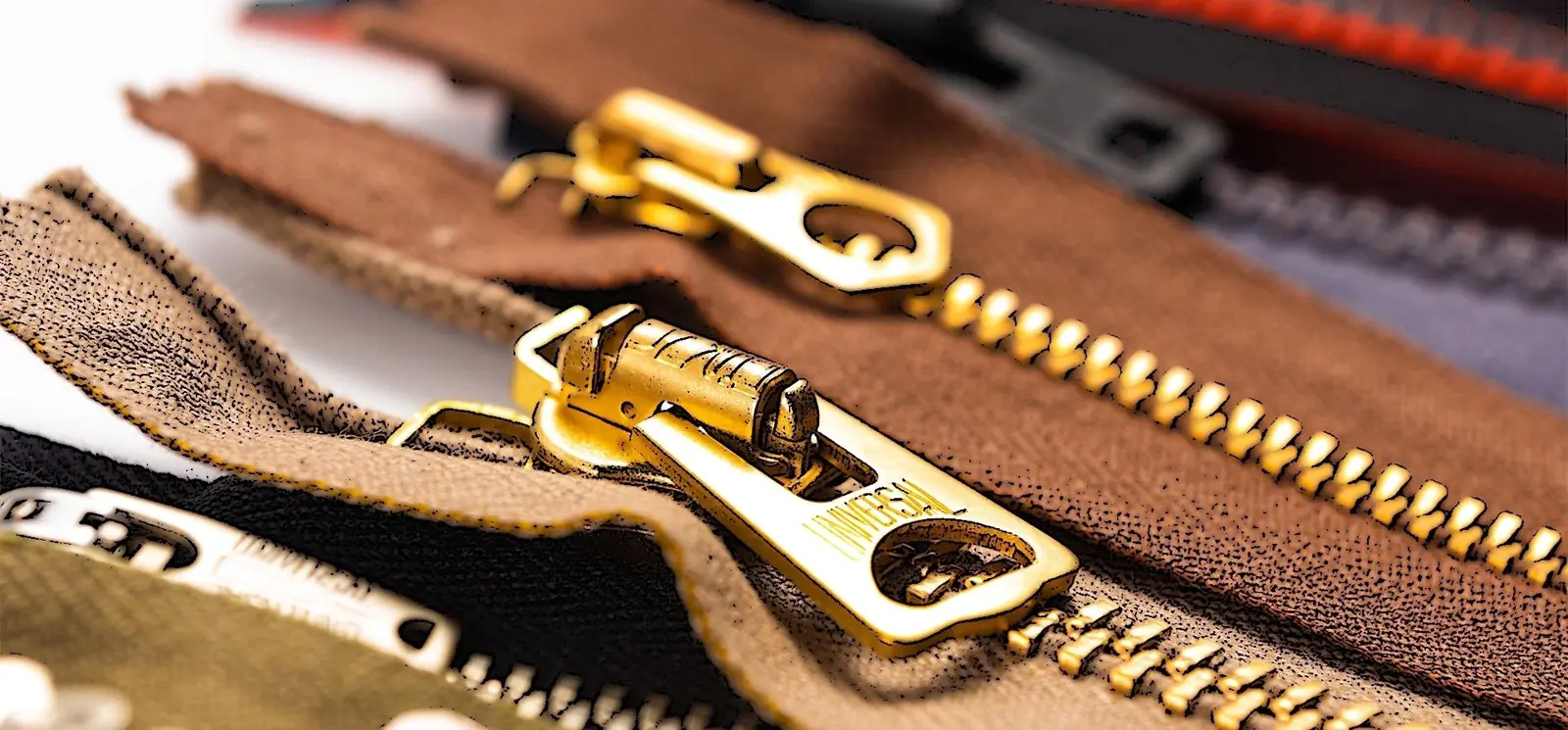
Even something as seemingly insignificant as a zipper is quietly reshaping the sustainability standards of global supply chains
Under the pressures of carbon neutrality and climate resilience, even something as seemingly insignificant as a zipper is quietly reshaping the sustainability standards of global supply chains. The world’s largest zipper manufacturer, YKK, recently announced that it will fully adopt “low-carbon aluminum” as the raw material for all its aluminum alloy zipper components.
重點摘要
Executive Summary / Lead在碳中和與氣候韌性的壓力之下,連一條看似不起眼的拉鍊,也正在悄悄重塑全球供應鏈的永續基準。全球最大拉鍊製造商 YKK 近日宣布,將全面採用「低碳鋁」作為所有鋁合金拉鍊線材的原料。這不只是一個材料選擇的更新,而是對「產品設計即政策工具」這一命題的實踐。
Under the pressures of carbon neutrality and climate resilience, even something as seemingly insignificant as a zipper is quietly reshaping the sustainability standards of global supply chains. The world’s largest zipper manufacturer, YKK, recently announced that it will fully adopt “low-carbon aluminum” as the raw material for all its aluminum alloy zipper components. This is not merely an update in material choice - it is a practical embodiment of the concept that “product design is a policy tool.”
企業與產業背景
Company & Industry Context這場轉型的背後,有兩個關鍵合作夥伴——住友電氣工業與其子公司住友電氣富山公司。根據 YKK 公告,所採用的低碳鋁來自以再生能源為主的電力來源,其每公噸鋁錠的碳排放量將控制在 4 噸 CO₂ 以下,遠低於傳統使用火力電力的鋁材。換言之,YKK 正透過「從源頭減碳」的策略,為產品注入可計算、可驗證的氣候行動價值。
Behind this transformation are two key partners - Sumitomo Electric Industries and its subsidiary, Sumitomo Electric Toyama Company. According to YKK’s announcement, the low-carbon aluminum used is produced using electricity primarily from renewable energy sources, with carbon emissions capped at less than 4 tons of CO₂ per ton of aluminum ingot, significantly lower than aluminum produced using conventional fossil-fuel-based electricity. In other words, YKK is injecting measurable and verifiable climate action value into its products through a “carbon reduction from the source” strategy.
挑戰與重要性
Challenge / Why It Matters為什麼是一條拉鍊?設計細節背後的氣候戰略
或許你從未想過,日常生活中幾乎人手一條的拉鍊,其製造過程與碳排放息息相關。鋁合金線材廣泛用於拉鍊滑片、齒鏈與其他結構零件,雖然體積小,卻是高度金屬依賴的產業組件之一。而鋁的冶煉,本身就是一項高耗能、高排碳的過程。
Why a Zipper? The Climate Strategy Behind Design Details
You might never have thought that a zipper - something nearly everyone uses daily - has a manufacturing process deeply linked to carbon emissions. Aluminum alloy wires are widely used in zipper sliders, teeth, and other structural parts. Though small in size, these components heavily depend on metal materials, and aluminum smelting is a highly energy-intensive and carbon-emitting process.
行動、方案與執行
Action / Solution / Implementation這正是 YKK 介入氣候變遷議題的突破點。從材料選擇開始進行「低衝擊設計」,不僅能降低自身(Scope 1 和 2)碳排,也能大幅度削減供應鏈中(Scope 3)難以掌控的間接排放。
值得注意的是,YKK 此舉並非突發奇想。早在前幾年,它就已逐步導入回收聚酯纖維與植物基材料應用於紡織拉鍊結構中,而這次對金屬部分的升級,則象徵其朝著全產品線「碳透明化」與「材料責任化」邁進。
解構 Scope 3:企業減碳的終極戰場
根據 YKK 的承諾,其將在 2050 年達成全面氣候中和,並以 2018 年為基準,於 2030 年前實現包括 Scope 1、2 與 3 在內的90% 溫室氣體減量目標。其中,Scope 3 涵蓋供應商製程、運輸、使用與報廢等間接排放,占企業整體碳足跡的比例常高達 70~90%。
This is exactly where YKK’s breakthrough in addressing climate change lies. Starting with material selection for “low-impact design,” the company not only reduces its own direct emissions (Scope 1 and 2) but also substantially cuts the difficult-to-control indirect emissions in its supply chain (Scope 3).
It’s worth noting that YKK’s initiative is not a sudden move. In recent years, the company has gradually introduced recycled polyester fibers and plant-based materials into its textile zipper products. This latest upgrade on the metal side signals a commitment to full product line “carbon transparency” and “material responsibility.”
Deconstructing Scope 3: The Ultimate Battlefield for Corporate Emission Reduction
證據、成果與影響
Evidence / Results / Impact以 YKK 為例,其採購的鋁線材若來自高碳來源,將成為整條供應鏈的減碳障礙。透過轉向低碳鋁,YKK 不僅強化了與供應商的永續連結,也向品牌客戶如 Nike、Patagonia、Uniqlo 等發出訊號:碳中和從拉鍊開始,時尚產業再無藉口忽視零組件的氣候責任。
YKK has pledged to achieve full climate neutrality by 2050 and to reduce greenhouse gas emissions by 90% across Scope 1, 2, and 3 by 2030, using 2018 as the baseline year. Among these, Scope 3 - which covers indirect emissions from suppliers’ processes, transportation, product use, and disposal - often accounts for 70% to 90% of a company’s total carbon footprint.
For YKK, sourcing aluminum wire from high-carbon origins would create a major barrier to supply chain decarbonization. By shifting to low-carbon aluminum, YKK not only strengthens sustainable ties with suppliers but also sends a clear message to brand clients such as Nike, Patagonia, and Uniqlo: carbon neutrality starts from the zipper, and the fashion industry can no longer ignore the climate responsibility of its components.
產業與制度意涵
Industry & Institutional Implications美學之外,選材就是態度
如 YKK 全球產品策略副總裁塚本哲也所言:「鋁材的特性不僅在於輕量與美觀,它的無鎳、不需電鍍的特性,也讓我們能設計出更加低衝擊、適用於服飾與箱包市場的產品。」
Beyond Aesthetics: Material Choice as an Attitude
As YKK’s Global Product Strategy Vice President, Tetsuya Tsukamoto, explained:
“The characteristics of aluminum go beyond being lightweight and visually appealing; its nickel-free, plating-free qualities allow us to design lower-impact products suitable for apparel and luggage markets.”
SNN 編輯與揭露前證據基礎設施觀點
SNN Editorial / Pre-Disclosure Evidence Infrastructure Perspective這場材料革新也意味著:企業若能在設計初期就納入碳足跡、資源壓力與回收性評估,那麼每一個產品,都能成為 ESG 目標下的「行動單位」。
This material innovation also means that when companies integrate carbon footprint, resource pressures, and recyclability assessments from the early design stages, every product can become a “unit of action” under ESG goals.
未來展望
Future Outlook從一條拉鍊到一整個品牌的永續敘事,YKK 正示範如何從「微小處見宏觀」,將碳中和轉化為具體且可見的產品語言。
From a single zipper to an entire brand’s sustainability narrative, YKK is demonstrating how to see the macro in the micro, turning carbon neutrality into a tangible and visible product language.
來源、證據鏈與責任編輯
主題中心:永續制度與揭露
SNN.TW 原始刊登紀錄 ↗