
全球脈動
數據中心淨零倒數開始
全球對運算能量的需求正創歷史新高。根據預測,數據中心容量至2028年將以每年約16%的速度成長,推動力來自雲端服務、人工智慧與數位轉型。然而,這場高速擴張也伴隨著日益沉重的環境負擔。業界面臨的關鍵問題是:在滿足全球數據需求的同時,數據中心能否真正永續?
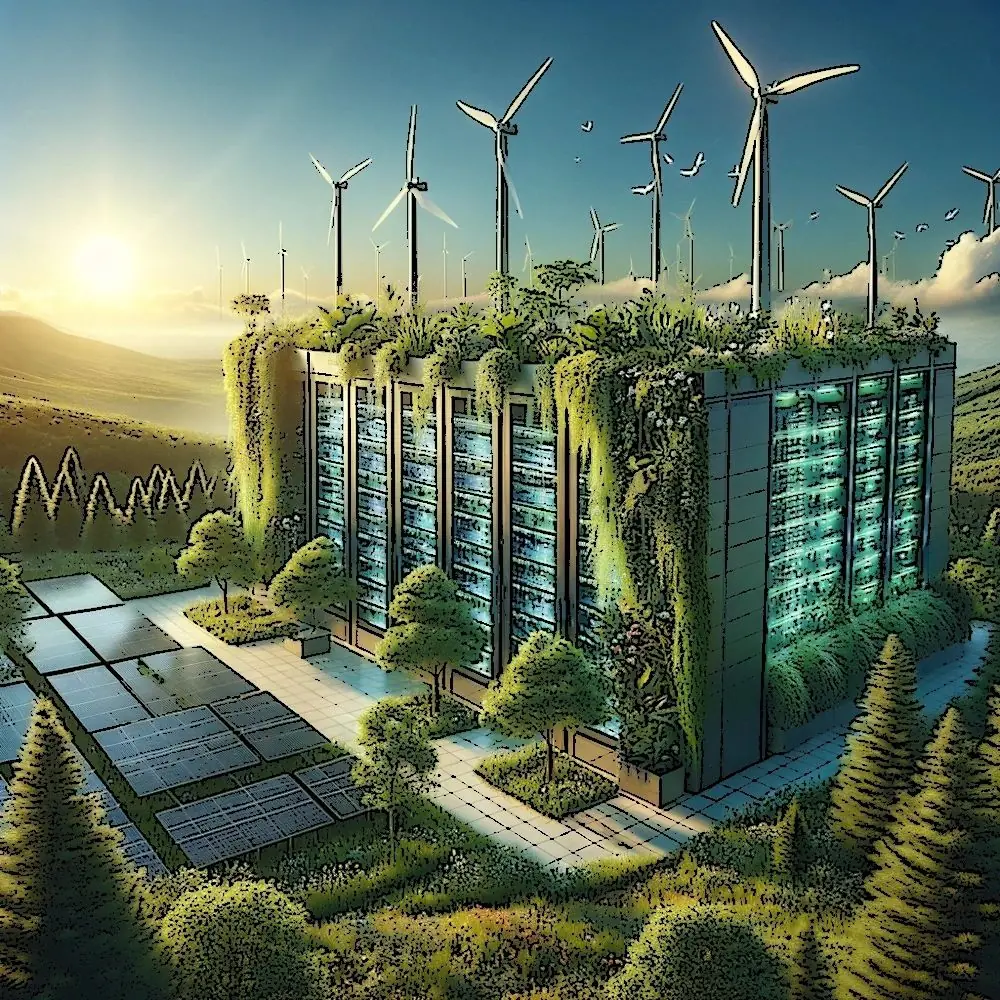
The Net-Zero Countdown for Data Centers Has Begun
Rapid growth in AI, cloud computing and digital services is increasing data-centre energy demand, making clean power, efficiency and supply-chain emissions central to credible net-zero plans.
重點摘要
Executive Summary / Lead全球對運算能量的需求正創歷史新高。根據預測,數據中心容量至2028年將以每年約16%的速度成長,推動力來自雲端服務、人工智慧與數位轉型。然而,這場高速擴張也伴隨著日益沉重的環境負擔。業界面臨的關鍵問題是:在滿足全球數據需求的同時,數據中心能否真正永續?
Global demand for computing power has reached record levels. Data center capacity is expected to grow by roughly 16% annually through 2028, fueled by cloud adoption, artificial intelligence, and digital transformation. Yet as the world’s dependence on data infrastructure deepens, so too does its environmental footprint. The question, according to engineering consultancy Ramboll, is whether data centers can truly become sustainable while meeting soaring digital demand.
企業與產業背景
Company & Industry Context在該產業深耕30年的基礎工程顧問公司Ramboll警告,若企業只追求成長而忽略永續,將加速氣候風險並暴露於新一波監管壓力之下。歐盟《能源效率指令》與英國《生物多樣性行動計畫》已為此奠定方向,未來將深刻影響數據中心的規劃、建造與營運。
In its new white paper, Developing Sustainable Data Centers: A Strategic Roadmap to Achieve Net Zero Carbon and Reduce Environmental Impact, Ramboll outlines six key benchmarks - operational carbon, embodied carbon, water, energy, biodiversity, and circularity - that define both the industry’s greatest challenges and its clearest opportunities.
挑戰與重要性
Challenge / Why It MattersRamboll在最新白皮書《打造永續數據中心:邁向淨零與環境減碳的策略藍圖》中提出六大核心課題:營運碳排、隱含碳、水資源、能源、生物多樣性與循環利用,認為這些領域同時是挑戰與機會。
Operational and Embodied Carbon Operational emissions remain the largest contributor to a data center’s footprint, heavily influenced by the carbon intensity of national grids. Locating facilities in regions with a higher share of renewables can reduce emissions, but heat recovery and reuse should also become standard practice. Exporting waste heat to nearby communities can displace other heating needs, providing measurable social value.
行動、方案與執行
Action / Solution / Implementation營運與隱含碳 營運碳排是數據中心主要的排放來源,取決於所在國家電網的碳強度。選址於可再生能源占比高的地區可顯著降低碳密度。同時,數據中心應輸出餘熱至地方供暖網絡,以取代其他能源消耗,為社區創造外部效益。
另一方面,建築與材料中的「隱含碳」常被忽視。Ramboll建議企業提前與供應鏈協作,採用低碳鋼與再生混凝土,以減少建造階段的碳足跡。碳抵換仍將存在,但應作為最後手段,並需符合Verified Carbon Standard等國際準則。
Embodied carbon from construction materials requires early-stage intervention. Ramboll urges procurement of low-carbon steel and concrete and early collaboration with suppliers to minimize embedded emissions. Carbon offsets should serve only as a last resort under credible standards like the Verified Carbon Standard.
Water, Biodiversity, and Circularity With the UK projected to face a daily water deficit of several billion liters by the 2030s, water-intensive data centers are increasingly unsustainable. Developers are advised to implement rainwater harvesting, grey-water systems, and renewable-powered cooling to conserve water resources.
證據、成果與影響
Evidence / Results / Impact水資源與生態保護 英國預估2030年代將出現每日數十億公升的用水缺口,Ramboll呼籲企業避免在缺水地區建設高耗水設施,並應導入再生水、雨水收集及節能冷卻技術。同時,英國現行的「生物多樣性淨增益」政策要求開發案在完工後使生態條件優於開發前,這原則也應延伸至全球供應鏈,包括負責任採礦與稀土使用。
Meanwhile, the UK’s mandatory Biodiversity Net Gain requirement compels developers to leave habitats in better condition post-construction - a principle Ramboll says should extend across global supply chains, including the responsible sourcing of rare earth elements.
Transitioning from a “take–make–dispose” model to one centered on circular economy principles - recovering precious metals, reusing equipment, and recycling materials - can reduce emissions and enhance supply chain resilience.
產業與制度意涵
Industry & Institutional Implications循環經濟與廢棄物管理 數據中心仍多採「取用—製造—丟棄」的線性模式。Ramboll建議業界轉向循環設計,例如回收金屬、重複利用設備、降低塑料用量等,不僅能減碳,也能強化供應鏈韌性。
A Call to Lead, Not React The rapid rise of AI is accelerating the sector’s energy consumption. Ramboll warns that sustainable design is no longer optional but a business imperative. Waiting for regulations such as the EU Energy Efficiency Directive to take full effect risks reactive compliance rather than proactive leadership.
SNN 編輯與揭露前證據基礎設施觀點
SNN Editorial / Pre-Disclosure Evidence Infrastructure Perspective行動呼籲 隨著AI加速推動伺服器建設,Ramboll強調:永續設計已非選項,而是企業生存關鍵。若產業無法自發改革,終將面臨更嚴苛的政府監管與社會壓力。
The firm identifies lifecycle financing, modular construction, early-stage sustainability planning, and waste-heat recovery as tangible pathways toward net zero. Collaboration across supply chains and stronger procurement standards will be essential.
未來展望
Future Outlook報告指出,生命周期融資、模組化建造、早期規劃與餘熱再利用等皆是具體可行的方向。唯有跨產業合作、提升設計與採購標準,才能讓數據中心在能源與環境雙重挑戰中取得信任與持續發展。
“The time for incremental progress has passed,” Ramboll concludes. “If the industry doesn’t shape the future of sustainable data centers itself, it will be shaped for them - and by then, it may be too late.”
來源、證據鏈與責任編輯
主題中心:氣候與能源轉型
SNN.TW 原始刊登紀錄 ↗