
全球脈動
美國投資重回化石燃料 再生能源在 AI 能源討論缺席
國際能源署(IEA)最新預測指出,到 2030 年,全球資料中心的耗電量將超過當今日本的全國用電需求。在美國,與人工智慧(AI)相關的數據處理,所需電力甚至可能超越鋁、鋼鐵、水泥和化學品製造業的總和。專家警告,若缺乏可持續能源解決方案,數十年來在氣候減碳上取得的進展恐將被全面抵消。
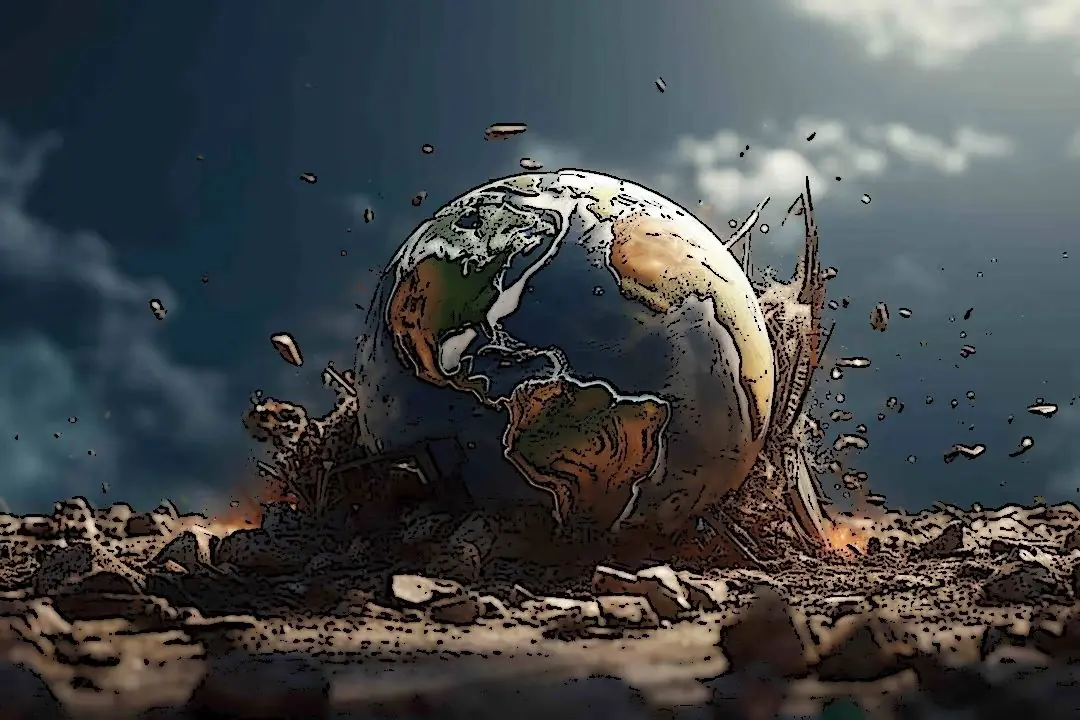
The International Energy Agency (IEA) has forecast that by 2030, global electricity consumption by data centers will exceed Japan’s current total national demand
The International Energy Agency (IEA) has forecast that by 2030, global electricity consumption by data centers will exceed Japan’s current total national demand. In the United States, electricity required for artificial intelligence (AI)-related data processing could even surpass the combined consumption of the aluminum, steel, cement, and chemical manufacturing industries.
重點摘要
Executive Summary / Lead國際能源署(IEA)最新預測指出,到 2030 年,全球資料中心的耗電量將超過當今日本的全國用電需求。在美國,與人工智慧(AI)相關的數據處理,所需電力甚至可能超越鋁、鋼鐵、水泥和化學品製造業的總和。專家警告,若缺乏可持續能源解決方案,數十年來在氣候減碳上取得的進展恐將被全面抵消。
The International Energy Agency (IEA) has forecast that by 2030, global electricity consumption by data centers will exceed Japan’s current total national demand. In the United States, electricity required for artificial intelligence (AI)-related data processing could even surpass the combined consumption of the aluminum, steel, cement, and chemical manufacturing industries. Experts warn that without sustainable energy solutions, decades of progress in climate mitigation could be entirely undone.
企業與產業背景
Company & Industry Context然而,在美國卡內基美隆大學(CMU)舉行的高峰會上,可再生能源卻並非討論焦點。根據《Axios》報導,美國商務部長霍華德·拉特尼克(Howard Lutnick)直言:「你需要天然氣或煤炭基礎設施,才能為這些巨型 AI 資料中心提供所需電力。」在賓夕法尼亞州宣布的 900 億美元投資中,至少 25% 將投入化石燃料能源生產。相較之下,價格更低、增長更快的風能與太陽能,不僅幾乎未被提及,甚至在會場中遭到部分與會人士忽視或貶低。
Yet at a summit hosted by Carnegie Mellon University (CMU), renewable energy was notably absent from the core discussions. According to Axios, U.S. Commerce Secretary Howard Lutnick bluntly stated: “You need natural gas or coal infrastructure to power these massive AI data centers.” Of the $90 billion in energy investments recently announced in Pennsylvania, at least 25% will go toward fossil fuel production. By contrast, cheaper and faster-growing wind and solar power were barely mentioned - often dismissed or downplayed by participants.
挑戰與重要性
Challenge / Why It Matters依照川普政府制定的「聯邦 AI 能源計畫」,能源重點放在地熱與核能,卻未涵蓋太陽能或風能。雖然這些替代能源在未來可能成為解方,但受限於現有基礎設施不足,短期內難以應對 AI 能源需求暴增的局面。
Under the Trump administration’s Federal AI Energy Plan, the energy strategy emphasizes geothermal and nuclear power but excludes solar and wind. While these alternatives may hold promise for the future, experts note that limited infrastructure means they are unlikely to meet the near-term surge in AI-driven energy demand.
行動、方案與執行
Action / Solution / Implementation冷卻技術成瓶頸
除了電力來源,冷卻技術也是 AI 資料中心的一大挑戰。目前約有 40% 的耗電量用於冷卻高性能處理器,常見的冷卻方式是使用冷卻水系統,每天消耗數以千加侖的水,不僅加重地方水資源壓力,還進一步推高能耗。
針對此問題,創新解決方案正逐步浮現。例如,中國海南省正在試驗「水下資料中心」,並選址於近海風電場附近。研究顯示,將伺服器沉入海中後,冷卻能耗可降低 30%,同時藉由鄰近再生能源供電,能有效減少對化石燃料的依賴。雖然仍屬實驗性階段,但這類構想展現了工程創新潛力,尤其化學工程師在液體冷卻、廢熱回收與清潔能源技術領域,或能扮演關鍵角色。
Cooling technology as a bottleneck
Beyond power generation, cooling technologies pose another critical challenge for AI data centers. Currently, about 40% of their electricity use goes to cooling high-performance processors. The most common method involves water-based cooling systems, which consume thousands of gallons of water per day - straining local water supplies and further driving up energy demand.
Innovative solutions are beginning to emerge. In China’s Hainan province, pilot projects are experimenting with “underwater data centers,” located near offshore wind farms. Research suggests that submerging servers underwater can cut cooling energy consumption by 30%. When paired with nearby renewable power, this model could significantly reduce reliance on fossil fuels. Although still experimental, such projects highlight the potential of engineering innovations, with chemical engineers expected to play a pivotal role in liquid cooling, waste-heat recovery, and clean energy integration.
證據、成果與影響
Evidence / Results / Impact中國能源轉型腳步加快
目前,中國能源結構依舊以煤炭為主,占比約 60%。但近五年來,中國新增的風能與太陽能裝機容量已超越全球其他國家總和。依據 IEA 預測,到 2030 年,中國可再生能源發電量將首度超越煤炭;至 2035 年,再生能源與核能合計將為中國資料中心提供近六成的電力。
China’s accelerating energy transition
China’s energy mix remains dominated by coal, accounting for about 60% of supply. However, in the past five years, the country’s added wind and solar capacity has exceeded that of all other nations combined. IEA projections indicate that by 2030, China’s renewable power generation will overtake coal for the first time. By 2035, renewables and nuclear combined are expected to supply nearly 60% of the electricity consumed by Chinese data centers.
產業與制度意涵
Industry & Institutional ImplicationsAI發展與氣候風險並行
AI growth and climate risk in parallel
SNN 編輯與揭露前證據基礎設施觀點
SNN Editorial / Pre-Disclosure Evidence Infrastructure PerspectiveAI 應用潛力巨大,從醫療突破到氣候模型,皆能帶來變革。然而,AI 資料中心 24 小時不間斷的龐大能耗,卻可能削弱全球電網去碳化的努力。如何在「AI競賽」與「氣候保護」之間取得平衡,已成為各國決策者與產業領袖必須正視的問題。
AI holds vast potential, from breakthroughs in medicine to advances in climate modeling. Yet the massive, round-the-clock energy consumption of AI data centers risks undermining global efforts to decarbonize electricity grids. Striking a balance between the “AI race” and “climate protection” has become an urgent challenge for policymakers and industry leaders alike.
未來展望
Future Outlook專家呼籲,美國若真要在 AI 領域保持領先,就必須同步優先考慮可持續能源供應。「贏得 AI 競賽,不應以失去地球為代價。」
Experts caution that if the United States truly aims to maintain global leadership in AI, it must prioritize sustainable energy supply in parallel. As one expert put it: “Winning the AI race should not come at the cost of losing the planet.”
來源、證據鏈與責任編輯
主題中心:氣候與能源轉型
SNN.TW 原始刊登紀錄 ↗