
全球脈動
新加坡海運綠航路:智慧港口引領未來
新加坡作為全球領先的海事樞紐,其在海事領域的 ESG(環境、社會、治理)政策佈局正迅速轉型,聚焦於「脫碳」、「數位化」與「韌性供應鏈」三大支柱,並積極透過政策引導、技術創新與國際合作,建構低碳且具永續競爭力的海事經濟體系。以下為主要佈局與趨勢延伸說明:
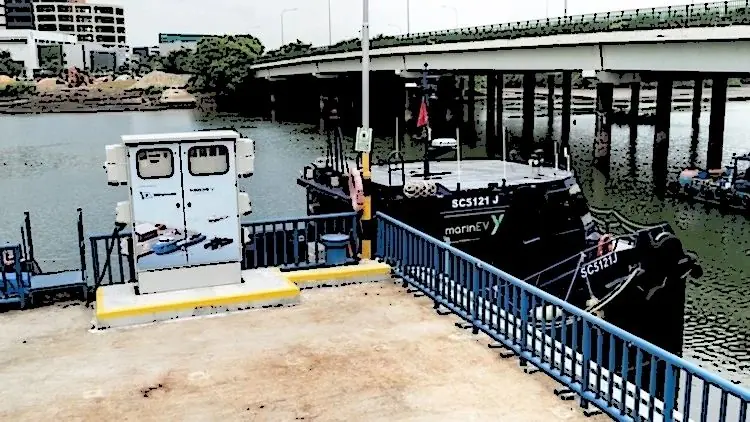
Singapore is rapidly transforming its ESG (Environmental, Social, Governance) policies in the maritime sector
As a leading global maritime hub, Singapore is rapidly transforming its ESG (Environmental, Social, Governance) policies in the maritime sector, focusing on three main pillars: decarbonisation, digitalisation, and resilient supply chains. Through policy guidance, technological innovation, and international collaboration, Singapore aims to build a low-carbon, sustainable, and competitive maritime economy.
重點摘要
Executive Summary / Lead新加坡作為全球領先的海事樞紐,其在海事領域的 ESG(環境、社會、治理)政策佈局正迅速轉型,聚焦於「脫碳」、「數位化」與「韌性供應鏈」三大支柱,並積極透過政策引導、技術創新與國際合作,建構低碳且具永續競爭力的海事經濟體系。以下為主要佈局與趨勢延伸說明:
As a leading global maritime hub, Singapore is rapidly transforming its ESG (Environmental, Social, Governance) policies in the maritime sector, focusing on three main pillars: decarbonisation, digitalisation, and resilient supply chains. Through policy guidance, technological innovation, and international collaboration, Singapore aims to build a low-carbon, sustainable, and competitive maritime economy. Below are the key strategies and emerging trends:
企業與產業背景
Company & Industry Context新加坡《海事脫碳藍圖》(Maritime Decarbonisation Blueprint 2050)
Singapore’s Maritime Decarbonisation Blueprint 2050
挑戰與重要性
Challenge / Why It Matters新加坡海事與港務管理局(MPA)於2022年發布《2050海事脫碳藍圖》,明確提出 到 2050 年達成淨零排放 的目標,並規劃六大策略重點:
The Maritime and Port Authority of Singapore (MPA) released the Maritime Decarbonisation Blueprint 2050 in 2022, setting a clear target of achieving net-zero emissions by 2050, anchored on six strategic priorities:
MPA has committed to investing at least SGD 150 million in decarbonisation technology trials and validations and established the Global Centre for Maritime Decarbonisation (GCMD) as an open innovation platform.
行動、方案與執行
Action / Solution / ImplementationMPA 同時承諾投資 至少 1.5 億新幣 用於脫碳技術的試驗與驗證,並設立「全球海事脫碳中心(GCMD)」作為開放型研發平台。
強化第三類碳排(Scope 3)監管與港口永續發展
新加坡高度重視供應鏈碳排,特別在 Scope 3(即非直接排放,如供應商、物流端)方面,推動多項政策工具:
海事科技創新與公私合作機制(PPP)
Strengthening Scope 3 Emissions Regulation and Sustainable Port Development
Singapore places high importance on supply chain carbon emissions, particularly Scope 3 emissions (indirect emissions such as those from suppliers and logistics), through various policy tools:
Maritime Technology Innovation and Public-Private Partnerships (PPP)
Singapore drives key technological advancements through initiatives like the Maritime Sustainability Innovation Programme and the Coastal Sustainability Alliance, focusing on:
證據、成果與影響
Evidence / Results / Impact新加坡透過「海事永續創新計畫」及 Coastal Sustainability Alliance 等平台,推動如下關鍵技術發展:
政府並支持港口企業(如PSA、Jurong Port)轉型成綠色物流節點,成為全球最先部署智慧與永續港口的示範區。
國際倡議與區域脫碳影響力
The government also supports port companies like PSA and Jurong Port in transforming into green logistics hubs, showcasing some of the world’s first smart and sustainable port demonstrations.
International Initiatives and Regional Decarbonisation Influence
產業與制度意涵
Industry & Institutional Implications作為亞洲主要船旗國與船級社成員,新加坡積極參與國際海事組織(IMO)制訂全球溫室氣體減排規範,並提出具前瞻性的倡議:
As a major Asian flag state and member of classification societies, Singapore actively participates in the International Maritime Organization (IMO) to set global greenhouse gas reduction standards and has proposed forward-looking initiatives:
SNN 編輯與揭露前證據基礎設施觀點
SNN Editorial / Pre-Disclosure Evidence Infrastructure Perspective未來展望:建立海事ESG領導地位
Future Outlook: Establishing Maritime ESG Leadership
未來展望
Future Outlook新加坡正以「港口+科技+金融」的多維度策略,結合綠色金融工具(如轉型債、永續掛鉤貸款)與碳市場建設,擴大其在全球 ESG 海事治理中的影響力。未來重點包括:
Singapore is leveraging a multidimensional strategy of port + technology + finance, combining green financial instruments such as transition bonds and sustainability-linked loans with carbon market development to expand its global ESG maritime governance influence. Future priorities include:
來源、證據鏈與責任編輯
主題中心:永續制度與揭露
SNN.TW 原始刊登紀錄 ↗