
全球新聞
機艙垃圾戰
隨著航空業加速推動永續轉型,機艙廢棄物問題逐漸浮上檯面。根據 Aviation Sustainability Forum 與 International Air Transport Association 合作推動的「機艙廢棄物組成稽核」(Cabin Waste Composition Audit, CWCA)推估,2025年全球商業航空機艙垃圾量高達約400萬公噸,規模相當於 Palace of the Parliament 的重量,...
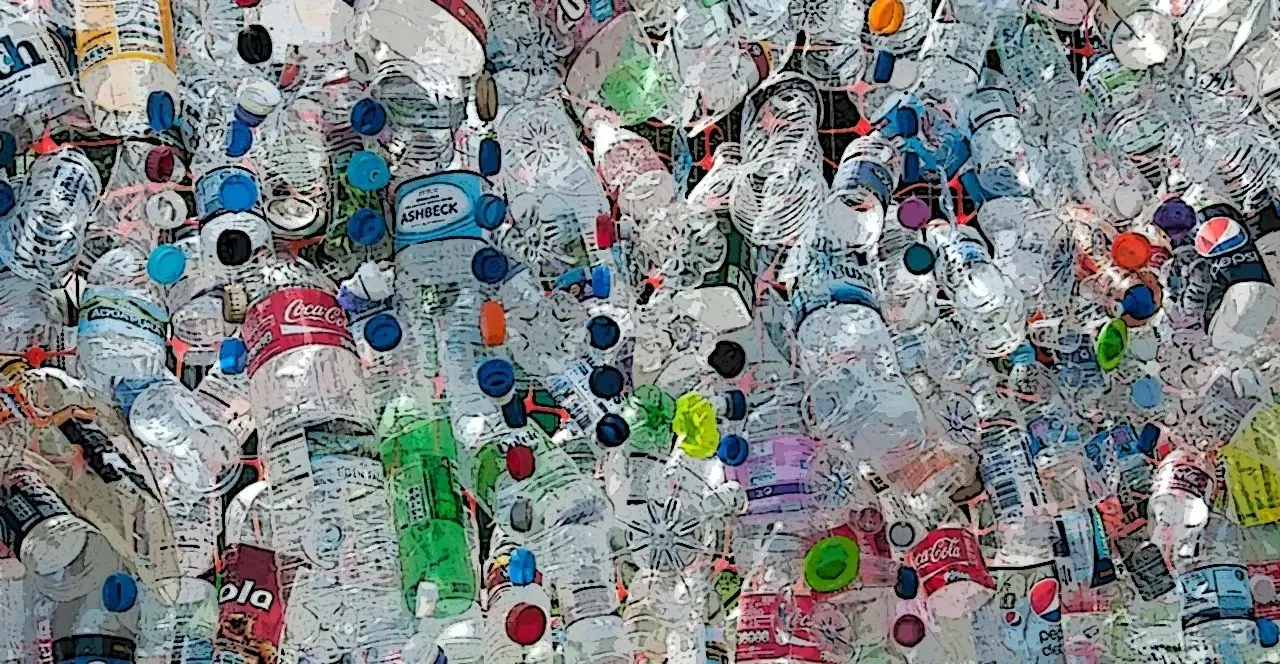
As the aviation industry accelerates its sustainability transition, cabin waste is emerging as a critical environmental challenge
As the aviation industry accelerates its sustainability transition, cabin waste is emerging as a critical environmental challenge. According to estimates by the Aviation Sustainability Forum (ASF), in collaboration with the International Air Transport Association (IATA), global commercial airlines generated approximately 4 million tonnes of cabin waste in 2025 - equivalent to the weight of the Palace of the Parliament in Bucharest - highlighting the urgency of effective waste management.
重點摘要
Executive Summary / Lead隨著航空業加速推動永續轉型,機艙廢棄物問題逐漸浮上檯面。根據 Aviation Sustainability Forum 與 International Air Transport Association 合作推動的「機艙廢棄物組成稽核」(Cabin Waste Composition Audit, CWCA)推估,2025年全球商業航空機艙垃圾量高達約400萬公噸,規模相當於 Palace of the Parliament 的重量,凸顯航空廢棄物管理的迫切性。
As the aviation industry accelerates its sustainability transition, cabin waste is emerging as a critical environmental challenge. According to estimates by the Aviation Sustainability Forum (ASF), in collaboration with the International Air Transport Association (IATA), global commercial airlines generated approximately 4 million tonnes of cabin waste in 2025 - equivalent to the weight of the Palace of the Parliament in Bucharest - highlighting the urgency of effective waste management.
企業與產業背景
Company & Industry Context分析顯示,約30%的機艙廢棄物具備可回收潛力,包括鋁製品、竹製餐具、玻璃、紙類與塑膠。其中,可回收塑膠占13%、紙類9%、玻璃4%、鋁3%、竹製餐具1%。若有效回收,整體廢棄物量有機會減少超過三分之一,對航空減碳與資源循環具有顯著貢獻。
Analysis indicates that around 30% of cabin waste is potentially recyclable, including aluminum, bamboo cutlery, glass, paper, and plastics. Recyclable plastics account for 13%, paper 9%, glass 4%, aluminum 3%, and bamboo cutlery 1%. If properly managed, recycling could reduce total cabin waste by more than one-third, offering significant benefits for both decarbonization and resource efficiency.
挑戰與重要性
Challenge / Why It Matters然而,回收推動面臨嚴峻制度障礙。國際航班中,凡與動物副產品(Animal Byproducts, ABP)接觸的物品,皆被歸類為「國際餐飲廢棄物」(International Catering Waste, ICW),依法須焚化或掩埋處理。這意味著即便是可回收材質,如含牛奶的紙杯,也無法進入回收體系,大幅限制資源再利用空間。
However, regulatory barriers remain a major obstacle. On international flights, any waste that has come into contact with animal byproducts (ABP) is classified as International Catering Waste (ICW) and must be incinerated or landfilled. This means that even technically recyclable items, such as paper cups containing milk residue, cannot enter recycling streams.
行動、方案與執行
Action / Solution / ImplementationDiana Cawley 指出,各國對ABP的定義差異進一步增加操作複雜性。例如,在美國,經超高溫滅菌(UHT)處理的乳製品與個別包裝蜂蜜並不被視為ABP,顯示法規細節直接影響回收可行性。這也使航空公司必須投入大量資源於機組人員與地勤的教育訓練,以確保分類符合各地規範。
International Air Transport Association 在2024年報告中亦指出,由於航班運作時間緊迫且流程複雜,區分國內與國際航班廢棄物並進行分類極具挑戰,部分機場甚至將所有機艙垃圾一律視為ICW處理,進一步壓縮回收空間。
ASF CEO Diana Cawley noted that regulatory nuances vary significantly across regions. For example, in the United States, ultra-high-temperature (UHT) treated dairy products and individually packaged honey are not classified as ABP, demonstrating how regulatory details directly influence recycling feasibility. As a result, airlines must invest heavily in training crew and ground staff to ensure compliance with differing regulations.
IATA also highlighted in its 2024 report that the time-sensitive and complex nature of flight operations makes it difficult to segregate waste between domestic and international flights. In many cases, airports default to treating all cabin waste as ICW, further limiting recycling opportunities.
證據、成果與影響
Evidence / Results / Impact儘管困難重重,部分機場與航空公司已開始試點創新方案。2024年,美國 U.S. Customs and Border Protection 攜手 U.S. Department of Agriculture 及IATA推動回收試點計畫,針對鋁、紙與塑膠建立分類與回收流程。目前,包括亞特蘭大、洛杉磯、西雅圖、紐約甘迺迪與紐瓦克等主要機場已批准相關回收作業,顯示制度鬆綁的可能性。
Despite these challenges, pilot programs are emerging. In 2024, U.S. Customs and Border Protection (CBP), in collaboration with the U.S. Department of Agriculture (USDA) and IATA, launched initiatives to enable recycling of aluminum, paper, and plastics from international flights. Major airports including Atlanta, Los Angeles, Seattle, New York JFK, and Newark have already approved such programs, indicating potential pathways for regulatory adaptation.
產業與制度意涵
Industry & Institutional Implications在區域層面,統一規範有助提升回收效率。例如歐盟於2024年釐清規定,未接觸食品的產品可進行回收,使航空公司能優化分類流程。然而,歐盟同時推動2030年全面可回收包裝與禁用一次性塑膠政策,與ICW限制產生政策衝突,突顯監管協調的重要性。
At the regional level, harmonized regulations have proven effective. The European Union clarified in 2024 that materials not in contact with food can be recycled, significantly improving sorting processes for airlines. However, the EU’s broader push to make all packaging recyclable and ban single-use plastics by 2030 may conflict with ICW restrictions, underscoring the need for policy alignment.
SNN 編輯與揭露前證據基礎設施觀點
SNN Editorial / Pre-Disclosure Evidence Infrastructure Perspective業界普遍認為,缺乏全球統一標準是最大障礙。從分類流程到回收袋顏色等細節,各國差異均影響執行效率。ASF指出,若能建立跨國一致的規範與操作流程,將大幅提升航空業回收成效。
Industry stakeholders widely agree that the lack of global standardization is the biggest barrier. Variations in processes - even down to recycling bag colors - affect operational efficiency. ASF emphasizes that establishing unified international standards could dramatically improve recycling outcomes across the aviation sector.
未來展望
Future Outlook整體而言,航空機艙廢棄物管理正處於轉型初期。隨著數據化稽核工具如CWCA的推廣,以及政府、產業與機場之間的協作深化,未來有望建立更完整的循環體系。然而,要真正實現大規模減廢與回收,仍需政策整合與全球標準的進一步推進。
Overall, cabin waste management in aviation remains at an early stage of transformation. With the expansion of data-driven tools like CWCA and increasing collaboration among governments, airlines, and airports, a more circular system is within reach. However, achieving large-scale waste reduction will require stronger regulatory coordination and the development of global standards.
來源、證據鏈與責任編輯
主題中心:企業與供應鏈
SNN.TW 原始刊登紀錄 ↗