
全球脈動
濾網變捕碳器,建築減排新突破
一項最新發表於《Science Advances》的研究顯示,科學家研發出一款可整合進建築通風系統的空氣濾網,能同時吸收二氧化碳並降低能耗,為建築物碳排放管理開啟新可能。
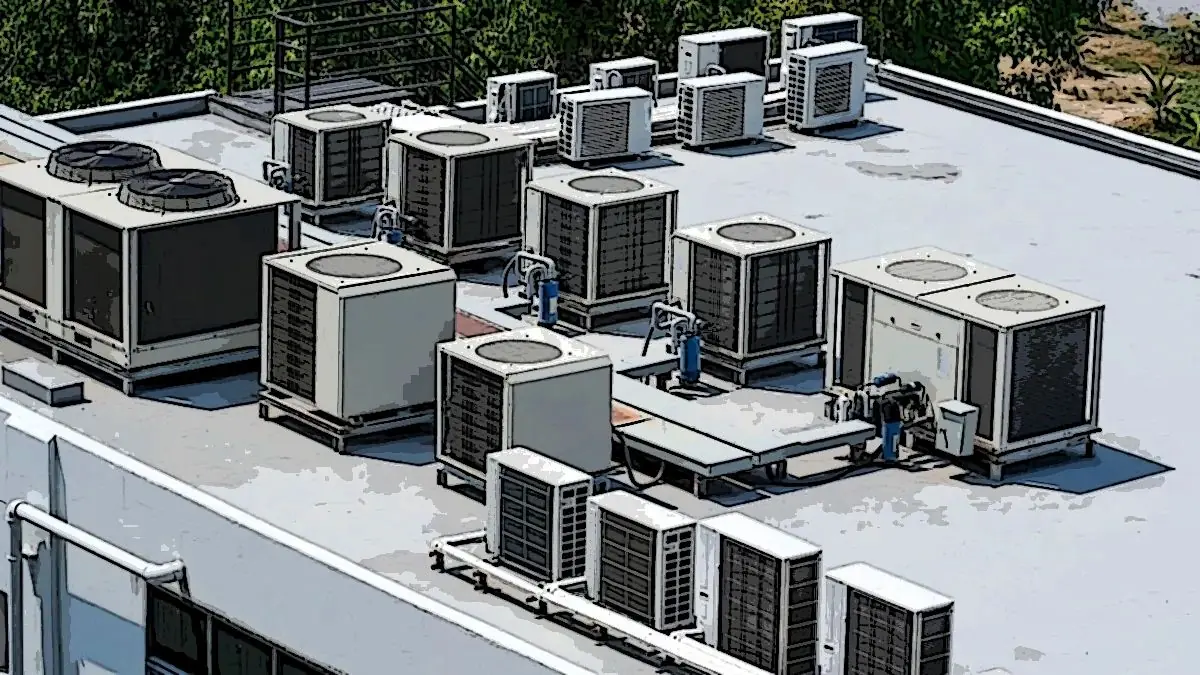
A new study published in Science Advances has unveiled an air filter that can be integrated into building ventilation systems to remove carbon dioxide while also reducing energy consumption
A new study published in Science Advances has unveiled an air filter that can be integrated into building ventilation systems to remove carbon dioxide while also reducing energy consumption. The innovation marks a significant step toward scalable, low-carbon carbon capture solutions in the built environment.
重點摘要
Executive Summary / Lead一項最新發表於《Science Advances》的研究顯示,科學家研發出一款可整合進建築通風系統的空氣濾網,能同時吸收二氧化碳並降低能耗,為建築物碳排放管理開啟新可能。
A new study published in Science Advances has unveiled an air filter that can be integrated into building ventilation systems to remove carbon dioxide while also reducing energy consumption. The innovation marks a significant step toward scalable, low-carbon carbon capture solutions in the built environment.
企業與產業背景
Company & Industry Context該濾網採用分散式碳奈米纖維(CNF),結合直接空氣捕集(DAC)技術原理,能在不額外消耗能源的情況下去除 CO₂。
Developed using distributed carbon nanofibers (CNF), the filter operates on direct air capture (DAC) principles and removes CO₂ from indoor airflow without additional energy input. The
挑戰與重要性
Challenge / Why It Matters這種奈米纖維具備優異的導電性和光熱特性,可利用太陽能熱或電熱進行低碳再生,實現循環使用。
CNF’s electrical and optical properties enable the adsorbent material to be regenerated using solar thermal or electrothermal methods, making it a low-carbon and reusable solution.
行動、方案與執行
Action / Solution / Implementation研究指出,儘管集中式 DAC 工廠具備氣候解決潛力,但其龐大的土地使用與能源需求限制了擴散能力。
While DAC technologies hold promise for large-scale carbon removal, centralized plants require significant land and energy investments. The research team argues that a decentralized approach - much like the shift from large-scale solar farms to rooftop solar - could unlock broader carbon reduction potential.
證據、成果與影響
Evidence / Results / Impact因此,研究者建議分散式 DAC 更具發展潛力——類似由大型地面太陽能電廠轉向分布式屋頂太陽能的趨勢。
According to the paper, buildings offer an ideal deployment platform: people spend around 90% of their time indoors, and HVAC systems already account for 30% of global energy use and 10% of greenhouse gas emissions.
產業與制度意涵
Industry & Institutional Implications建築物通風系統提供了現有結構中的最佳部署場景。由於人類在室內活動時間占比高達 90%,而室內通風換氣每年造成全球 HVAC 系統約 10% 的溫室氣體排放、30% 的能源消耗,若能讓濾網吸收部分 CO₂,將不僅提升空氣品質,更減少換氣所需能源負擔。
By integrating DAC into existing ventilation systems, CO₂ can be captured at the source while reducing the outdoor air ventilation load, achieving dual benefits in energy efficiency and indoor air quality.
SNN 編輯與揭露前證據基礎設施觀點
SNN Editorial / Pre-Disclosure Evidence Infrastructure Perspective團隊設計的 CNF 濾網具備高孔隙率與大表面積,可快速進行二氧化碳吸附與脫附。研究顯示,該濾網擁有「高碳捕集容量」,且可透過太陽能或電能再生,其低熱容量特質,使再生過程所需能源極低。
The CNF-based air filter features a highly porous and large surface area, enabling fast adsorption and desorption cycles. Its high carbon capture capacity, coupled with regenerative capability via sunlight or electric power, positions the technology as a promising distributed DAC solution with minimal energy footprint.
未來展望
Future Outlook這項創新為建築減碳和室內空氣品質管理提供具體技術途徑,並示範如何以低碳分散式模式推動 DAC 技術普及。
This innovation not only offers a path for buildings to contribute to carbon removal but also demonstrates how hybrid systems can transform existing infrastructure into climate solutions.
來源、證據鏈與責任編輯
主題中心:氣候與能源轉型
SNN.TW 原始刊登紀錄 ↗