
全球新聞
礦業轉型卡關,印尼恐錯失綠色供應鏈機會
隨著全球淨零轉型壓力升高,能源密集的礦業被視為關鍵減排戰場之一。然而,在印尼這個擁有豐富礦產資源的國家,產業轉型之路仍步履維艱。印尼能源與礦產資源協會(APNI)秘書長 Anggawira 日前坦言,礦業淨零目標與實際進展之間存在巨大落差,技術侷限、法規衝突與金融門檻,正成為產業轉型的三大瓶頸。
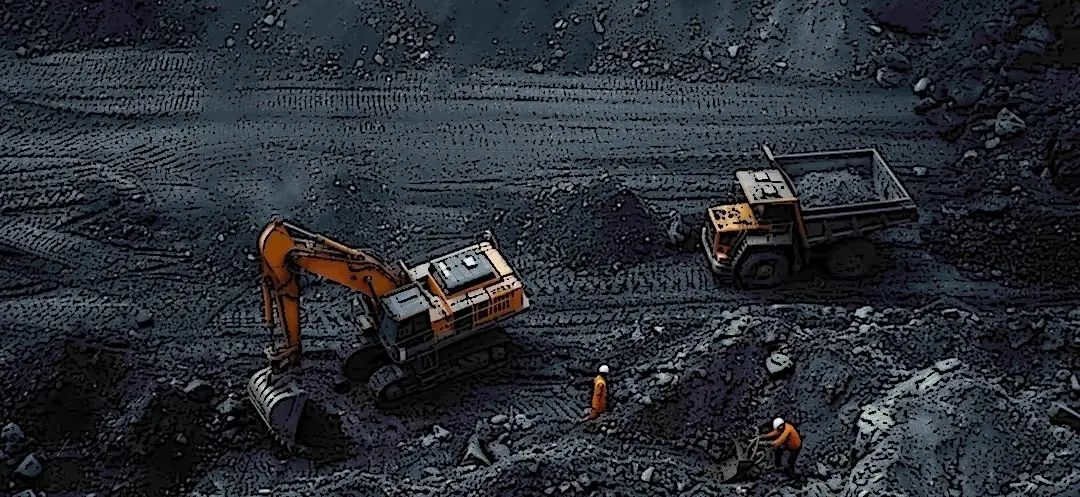
The mining sector - one of the most energy-intensive industries - is increasingly seen as a critical front in the fight to reduce emissions
As global pressure for a net-zero transition continues to mount, the mining sector - one of the most energy-intensive industries - is increasingly seen as a critical front in the fight to reduce emissions. In Indonesia, a country rich in mineral resources, the path toward decarbonization remains challenging.
重點摘要
Executive Summary / Lead隨著全球淨零轉型壓力升高,能源密集的礦業被視為關鍵減排戰場之一。然而,在印尼這個擁有豐富礦產資源的國家,產業轉型之路仍步履維艱。印尼能源與礦產資源協會(APNI)秘書長 Anggawira 日前坦言,礦業淨零目標與實際進展之間存在巨大落差,技術侷限、法規衝突與金融門檻,正成為產業轉型的三大瓶頸。
As global pressure for a net-zero transition continues to mount, the mining sector - one of the most energy-intensive industries - is increasingly seen as a critical front in the fight to reduce emissions. In Indonesia, a country rich in mineral resources, the path toward decarbonization remains challenging. According to Anggawira, Secretary General of the Indonesian Energy and Mineral Resources Association (APNI), there is a significant gap between the industry’s net-zero pledges and actual progress. Technical limitations, conflicting regulations, and financial barriers have emerged as three major obstacles.
企業與產業背景
Company & Industry Context淨零願景浮上檯面,礦業面臨新時代挑戰
過去數年,印尼政府與主要礦業企業紛紛表態支持能源轉型,並承諾逐步邁向碳中和。然而,理想與現實之間的差距日益擴大。「從政策宣示到現場落實,我們仍處在過渡與摸索期。」Anggawira 指出,當前多數礦場仍高度依賴化石燃料,例如柴油驅動的採礦機具與煤炭為主的礦石處理系統。這些既有設備更新成本高昂,導致低碳轉型難以推進。
In recent years, both the Indonesian government and leading mining companies have publicly expressed support for energy transition goals, committing to carbon neutrality. However, the distance between policy declarations and on-the-ground implementation is growing. Most mining operations still rely heavily on fossil fuels, particularly diesel-powered equipment and coal-based ore processing systems. The high cost of upgrading existing infrastructure has made low-carbon transitions difficult to execute.
挑戰與重要性
Challenge / Why It Matters缺乏誘因與技術支援,企業轉型意願低
除了基礎設施老舊外,Anggawira 強調,經濟誘因不足同樣是關鍵困境。「目前缺乏有效的財政工具來補貼企業的轉型成本,例如稅賦減免或碳抵換機制,這使得企業很難向董事會說服投入巨額資本進行轉型。」
Anggawira also emphasized the lack of economic incentives as a major hurdle. With no effective fiscal mechanisms - such as tax breaks or carbon offset schemes - companies find it difficult to justify large capital expenditures for green upgrades to their boards. Additionally, while renewable energy and electric technologies like solar panels and electric mining vehicles have gained traction in other sectors, they remain underdeveloped or cost-prohibitive for heavy industrial use, making adoption unrealistic for many operators.
行動、方案與執行
Action / Solution / Implementation同時,礦業所需的綠色技術與替代能源尚未普及或價格過高。例如,太陽能與電動設備雖已在其他產業應用,但在重工業需求下仍欠缺效能與規模,導致企業即使有意願也難以轉型。
法規與融資環境矛盾,掣肘轉型進程
礦業轉型的另一大障礙來自政策與法規的矛盾。Anggawira 指出,政府雖鼓勵業者使用再生能源,但在實際操作層面,許多相關法規卻互相牴觸。例如,企業在申請太陽能設施時常面臨許可困難;甚至在執行礦區復育與植林計畫時,也可能遭遇地方政府權責不清與審核機制不透明等問題。
此外,綠色融資機制目前仍主要針對大型企業設計,中小型礦企往往因無法達成複雜的 ESG 指標與揭露標準而被排除在外。這不僅限縮了資金流入,也使得整體產業轉型速度受限。
Regulatory inconsistencies and financing bottlenecks have further complicated the transition. Although the government encourages renewable energy adoption, businesses often face bureaucratic challenges when applying for permits for solar installations. Even in land rehabilitation and reforestation efforts, companies can encounter unclear local jurisdiction and non-transparent approval processes.
Green financing mechanisms, moreover, are largely tailored to large corporations. Small and medium-sized mining enterprises are frequently excluded, unable to meet complex ESG standards and disclosure requirements. This limits access to capital and slows the overall pace of transformation across the industry.
證據、成果與影響
Evidence / Results / Impact務實合作是出路,將轉型視為機會非負擔
面對層層挑戰,Anggawira 呼籲各界重新思考礦業在淨零目標中的角色與方法。他指出:「我們不能用道德姿態來討論礦業的減排責任,轉型必須是基於數據、現實與可行性的經濟模型。只有當它被設計成為新的商機,企業才會真正投入。」
他也強調,若政府、金融機構與產業能共同設計務實可行的政策,打造公平可及的技術與資金支持架構,礦業不僅有機會達成減碳目標,更可成為綠色經濟的重要推進者。
Faced with these challenges, Anggawira called for a more pragmatic and collaborative approach to redefining the role of mining in a net-zero future. He argued that emission reduction cannot be discussed purely in moral terms; instead, it must be grounded in data, economic feasibility, and market opportunity. Transitioning must be framed as a business case, not a burden, in order to drive real investment.
產業與制度意涵
Industry & Institutional Implications延伸觀察:亞洲礦業轉型能否走出新路?
He added that if government agencies, financial institutions, and the industry can work together to develop realistic policies and accessible support structures, mining could not only meet its climate goals but also become a key driver of the green economy.
SNN 編輯與揭露前證據基礎設施觀點
SNN Editorial / Pre-Disclosure Evidence Infrastructure Perspective從全球視角來看,印尼作為全球最大鎳礦與鋁礦出口國之一,其轉型成效將直接影響國際電動車與儲能產業的碳足跡。若能妥善解決基礎設施與法規障礙,並吸引國際 ESG 資本進駐,印尼的礦業轉型不僅有望成為區域示範,也可能重塑全球綠色礦產供應鏈的規則。
From a global perspective, Indonesia’s position as a top exporter of nickel and bauxite gives its mining transition outsized influence over the carbon footprint of the international EV and energy storage industries. If infrastructure and regulatory barriers can be addressed and international ESG capital can be attracted, Indonesia’s mining sector could serve as a model for the region - and possibly reshape the global green minerals supply chain.
未來展望
Future Outlook然而,這條路仍充滿不確定。在技術、法規與金融三者缺一不可的格局下,印尼與其他亞洲開發中國家正面臨一場關於「誰能領先定義綠色礦業」的競賽。
Still, the road ahead remains uncertain. With technology, policy, and finance all playing indispensable roles, Indonesia and other developing Asian countries are now engaged in a high-stakes race to define what green mining truly looks like.
來源、證據鏈與責任編輯
主題中心:永續制度與揭露
SNN.TW 原始刊登紀錄 ↗