
全球脈動
礦產成轉型瓶頸
最新發布的《2025–26 年經濟調查》(Economic Survey)指出,全球能源轉型已不再僅受限於技術進展,而是愈來愈受到關鍵礦產供應與控制權的制約。銅、鋰、鈷、鎳及稀土元素等金屬正迅速成為塑造低碳經濟、能源安全與地緣政治影響力的「戰略性瓶頸」,特別是在主要供應國實施出口限制的背景下。
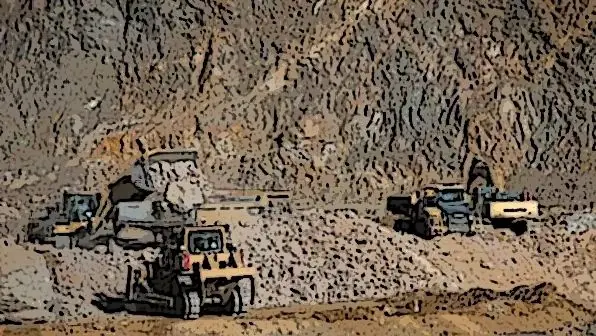
Critical Minerals Are Becoming the Bottleneck of the Energy Transition
India's Economic Survey 2025–26 warns that control over copper, lithium, cobalt, nickel and rare earths is becoming a strategic constraint on low-carbon growth and energy security.
重點摘要
Executive Summary / Lead最新發布的《2025–26 年經濟調查》(Economic Survey)指出,全球能源轉型已不再僅受限於技術進展,而是愈來愈受到關鍵礦產供應與控制權的制約。銅、鋰、鈷、鎳及稀土元素等金屬正迅速成為塑造低碳經濟、能源安全與地緣政治影響力的「戰略性瓶頸」,特別是在主要供應國實施出口限制的背景下。
The global energy transition is increasingly constrained not by technology, but by control over critical minerals, according to India’s Economic Survey 2025–26. Metals such as copper, lithium, cobalt, nickel and rare earth elements are rapidly becoming strategic chokepoints shaping low-carbon economies, energy security and geopolitical influence, particularly as key supplier countries impose export restrictions.
企業與產業背景
Company & Industry Context報告指出,近期印尼、剛果民主共和國與智利的礦場中斷,已推升銅價劇烈波動,並加深市場對中長期供應不足的憂慮。隨著全球電網建設與資料中心快速擴張,銅需求持續攀升,加上保護主義貿易壁壘,使供需失衡風險進一步放大。
The survey highlights growing volatility in copper prices following mine disruptions in Indonesia, the Democratic Republic of Congo and Chile. These supply shocks have intensified concerns over medium- to long-term shortages, just as demand surges from global power grid expansion and data centre growth, compounded by rising protectionist trade barriers.
挑戰與重要性
Challenge / Why It Matters關鍵礦產與低碳經濟的權力重組
經濟調查明確指出,鋰、鈷、鎳、銅與稀土已成為影響能源安全、產業競爭力與地緣政治權力的新型戰略資源。多國對關鍵礦產實施出口管制,正在重塑全球供應鏈格局,也加劇了國家間對資源掌控的競逐。
面對需求加速成長,先進經濟體正推動以「標準導向」為核心的關鍵礦產市場,強調永續性、可追溯性與治理規範。包括 G7 推動的「關鍵礦產標準化市場路線圖」,目標在於提升透明度、降低供應集中風險,並促進負責任的礦產採購。
A Reordering of Power in the Low-Carbon Economy
The report underscores that critical minerals now sit at the intersection of energy security, industrial competitiveness and geopolitical power. Export curbs by source countries are reshaping global supply chains and intensifying competition among nations seeking secure access to strategic resources.
In response to accelerating demand, advanced economies are promoting standards-based critical mineral markets, emphasising sustainability, traceability and governance. Initiatives such as the G7 Roadmap to Promote Standards-Based Markets for Critical Minerals aim to improve transparency, reduce concentration risks and encourage responsible sourcing.
行動、方案與執行
Action / Solution / Implementation標準不是中立工具,而是市場權力
然而,報告警告,這些標準並非單純的技術工具,而是實質影響市場進入與價值分配的權力機制。導入數位追溯系統、取得認證以及滿足 ESG 合規要求,往往伴隨高昂的前期與持續成本。
從開發中國家角度來看,當前趨勢帶來三大結構性挑戰。首先,標準若設計不當,可能演變為進入門檻,而非促進轉型的工具。高昂的合規成本恐抑制投資意願、延緩專案開發,進而限制關鍵礦產供給,與全球轉型需求形成矛盾。
其次,若標準制定與執行出現不對稱,開發中國家可能被鎖定在供應鏈最低附加價值環節,僅出口原礦,而高價值的加工與製造活動則集中於先進經濟體。
Standards as Instruments of Market Power
However, the Economic Survey cautions that standards are not neutral technical tools. Their design and enforcement determine who can enter supply chains, who captures value and who bears the costs of transition. Implementing digital traceability systems, meeting certification requirements and complying with ESG standards often involve substantial upfront and ongoing costs.
From the perspective of developing countries, the report identifies three major challenges. First, poorly designed standards risk becoming barriers rather than enablers of transition, deterring investment, slowing project development and constraining supply at a time when global demand is rising.
Second, narrowly defined or asymmetrically enforced standards could lock developing countries into low-value segments of supply chains, exporting raw materials while higher-value processing and manufacturing remain concentrated in advanced economies.
證據、成果與影響
Evidence / Results / Impact第三,永續溢價推升礦產價格,若未同步提供融資、技術與能力建構支持,將提高全球轉型成本,並對新興經濟體造成不成比例的衝擊。
包容性框架成關鍵
經濟調查強調,若能源轉型「乾淨但不負擔得起」,將既不快速也不公正。關鍵礦產的全球治理框架必須超越單純合規思維,轉向包容性、能力導向與發展導向的設計。
Third, affordability is at risk. Sustainability premiums that raise mineral prices without parallel support for finance, technology and capacity building could increase global transition costs and disproportionately burden emerging economies.
Toward an Inclusive Global Framework
The survey stresses that a clean but unaffordable transition will be neither rapid nor just. A durable global framework for critical minerals must move beyond compliance-centric approaches and adopt inclusive, capacity-sensitive and development-oriented principles.
產業與制度意涵
Industry & Institutional Implications報告呼籲,非洲、拉丁美洲與亞洲的資源富集地區,應被視為價值共同創造者,而非僅是原料來源。這需要在技術移轉、技能培育、制度建設,以及礦產開採、加工與回收投資上,深化國際合作。
Resource-rich regions in Africa, Latin America and Asia should be treated as co-creators of value rather than mere sources of raw materials. This will require deeper international cooperation on technology transfer, skills development, institutional capacity, and investment across mining, processing and recycling.
SNN 編輯與揭露前證據基礎設施觀點
SNN Editorial / Pre-Disclosure Evidence Infrastructure Perspective印度模式:戰略自主與全球整合並行
India’s Balanced Strategy
未來展望
Future Outlook在此背景下,印度的策略被視為一種平衡範例。透過「國家關鍵礦產使命」(National Critical Mineral Mission)強化國內能力,並搭配適當的激勵機制,同時積極參與礦產安全夥伴關係(Minerals Security Partnership)與印太經濟框架(IPEF)等國際合作。報告指出,印度展現了戰略自主與全球整合之間的互補性,為其他新興經濟體提供了可參考路徑。
India’s approach reflects this balance, combining domestic capability-building through the National Critical Mineral Mission and targeted incentives with active participation in international initiatives such as the Minerals Security Partnership and the Indo-Pacific Economic Framework. The Economic Survey concludes that India demonstrates the complementarity between strategic autonomy and global integration, offering a potential model for other emerging economies navigating the critical minerals transition.
來源、證據鏈與責任編輯
主題中心:氣候與能源轉型
SNN.TW 原始刊登紀錄 ↗