
全球脈動
豐田不押單邊
在全球能源基礎建設、監管制度與消費者成熟度高度差異化的背景下,Toyota Motor Corporation(Toyota)正採取「多路徑並行」的永續移動策略,而非單一電動化解方。作為營運遍及 170 多個國家與地區的車廠,Toyota 強調其策略核心在於依據不同市場條件調整技術配置,使低碳解決方案與在地能源系統相匹配。
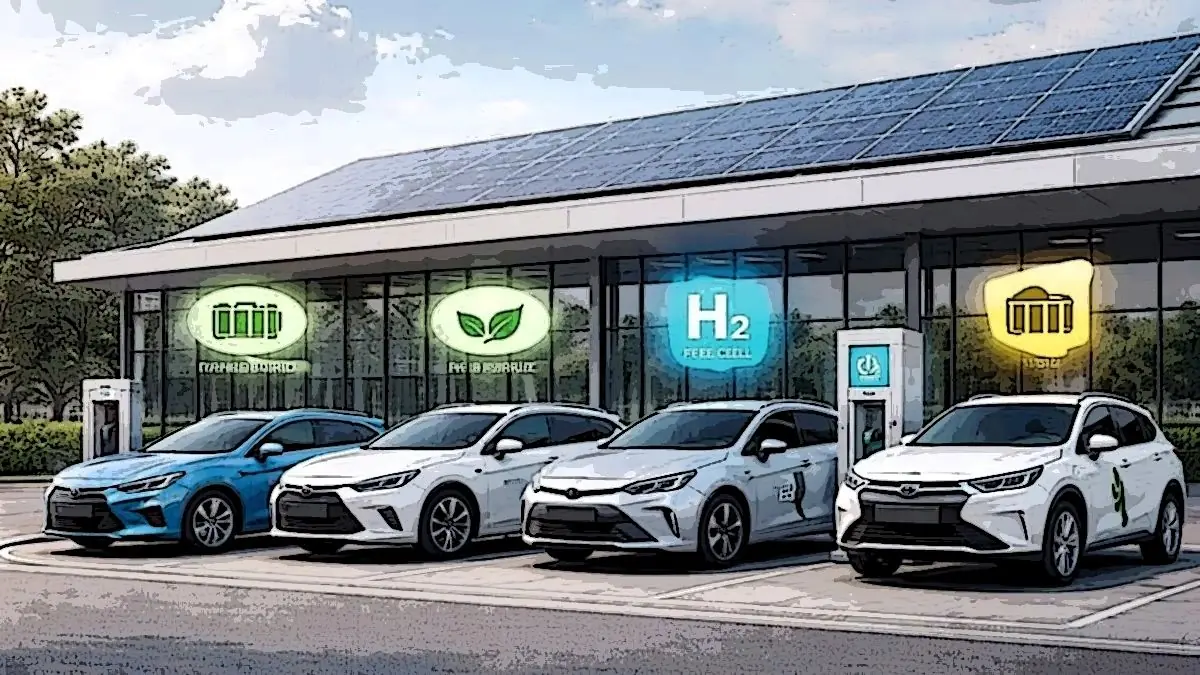
Regulation and consumer readiness across global markets, Toyota Motor Corporation is pursuing a diversified pathway toward sustainable mobility rather than relying on a single electrification model
Amid wide disparities in infrastructure, regulation and consumer readiness across global markets, Toyota Motor Corporation is pursuing a diversified pathway toward sustainable mobility rather than relying on a single electrification model. Operating in more than 170 countries and territories, the company is aligning low-carbon vehicle technologies with local energy systems and policy environments.
重點摘要
Executive Summary / Lead在全球能源基礎建設、監管制度與消費者成熟度高度差異化的背景下,Toyota Motor Corporation(Toyota)正採取「多路徑並行」的永續移動策略,而非單一電動化解方。作為營運遍及 170 多個國家與地區的車廠,Toyota 強調其策略核心在於依據不同市場條件調整技術配置,使低碳解決方案與在地能源系統相匹配。
Amid wide disparities in infrastructure, regulation and consumer readiness across global markets, Toyota Motor Corporation is pursuing a diversified pathway toward sustainable mobility rather than relying on a single electrification model. Operating in more than 170 countries and territories, the company is aligning low-carbon vehicle technologies with local energy systems and policy environments.
企業與產業背景
Company & Industry Context區域化 EV 佈局:歐洲主攻 BEV,南美深化乙醇混合動力
在充電網絡快速擴張、電動車滲透率持續上升的歐洲市場,Toyota 正加大電池電動車(BEV)產能。2024 年,Toyota 在歐洲銷售約 120 萬輛汽車,其中低排放車型需求成為重要支撐力量。
Regionalized EV Strategy: BEVs in Europe, Flex-Fuel Hybrids in South America
In Europe, where charging infrastructure is expanding rapidly and EV adoption is strong, Toyota is increasing battery electric vehicle (BEV) production. The region recorded approximately 1.2 million Toyota vehicle sales in 2024, supported by growing demand for low-emission models.
挑戰與重要性
Challenge / Why It Matters相較之下,南美市場的能源結構呈現不同特徵。當地乙醇資源充足,因此 Toyota 生產可使用乙醇的彈性燃料混合動力車(flex-fuel hybrids),在充電基礎設施尚未全面成熟的情況下,仍可有效降低排放強度。
In South America, where ethanol is widely available, Toyota manufactures flex-fuel hybrid vehicles capable of running on renewable ethanol. This allows emissions reductions without full reliance on charging networks that may still be under development.
行動、方案與執行
Action / Solution / ImplementationToyota 首席品牌官暨董事 Simon Humphries 表示,公司哲學核心在於「選擇權」——讓消費者能根據自身條件選擇最適合的低碳方案。此策略旨在兼顧減碳效益與可及性,避免因單一技術押注而排除部分市場。
降低關鍵礦產依賴 強化供應鏈韌性
隨著全球 EV 需求上升,鋰、鈷等關鍵礦產的環境與社會風險亦受到關注。Toyota 透過維持強勢混合動力車產品線(其電池容量相對較小),並同步布局氫能與替代燃料技術,降低對大規模電池原料的依賴。
此舉不僅有助於分散原物料供應風險,也強化永續供應鏈管理,減少潛在的地緣政治與價格波動衝擊。
Toyota 同時測試碳中和生質燃料與 e-fuels,目標是在不立即全面汰換車隊的情況下,降低既有內燃機車輛的排放強度,為淨零轉型爭取時間窗口。
Simon Humphries, Chief Branding Officer and Board Member, emphasized that the company’s philosophy centers on offering choice, enabling customers to select the low-carbon solution most suited to their circumstances.
Reducing Critical Mineral Dependence
As EV demand rises globally, concerns about lithium, cobalt and other critical minerals have intensified. By maintaining a robust hybrid portfolio - which uses smaller batteries - alongside hydrogen and alternative fuel technologies, Toyota reduces reliance on scarce raw materials and mitigates supply chain risks.
The company is also testing carbon-neutral biofuels and e-fuels to reduce emissions from existing internal combustion vehicles, potentially accelerating progress toward net zero without requiring immediate fleet replacement.
證據、成果與影響
Evidence / Results / Impact氫能與插電式混動作為過渡技術
2024 年,Toyota 推出第三代氫燃料電池技術,據稱效率提升 20%。若氫氣來源為再生能源,該技術可為長途與重型運輸提供零排放選項,解決電池重量與充電時間限制問題。
此外,2025 年 Auto Expo 發表的 Prius Flex-Fuel 插電式混合動力車(PHEV)體現其技術整合策略。該車搭載 2.0 升引擎與 13.6 kWh 電池,純電續航可達 87 公里,同時支援乙醇燃料,兼顧城市電動通勤與長途需求。
In 2024, Toyota introduced its third-generation hydrogen fuel cell system, reporting a 20% improvement in efficiency. When powered by renewable hydrogen, the technology offers a zero-emission solution particularly suited for long-haul and heavy-duty applications.
產業與制度意涵
Industry & Institutional Implications避免單一路徑風險 構建轉型韌性
Building Resilience Through Diversification
SNN 編輯與揭露前證據基礎設施觀點
SNN Editorial / Pre-Disclosure Evidence Infrastructure PerspectiveToyota 的策略顯示,在全球減碳進程中,「技術多樣化」或許比「單一電動化押注」更具韌性。透過依市場條件匹配 BEV、混合動力、氫能與替代燃料,Toyota 試圖在推動整體排放下降的同時,降低供應鏈風險並維持產品可負擔性。
The Prius Flex-Fuel plug-in hybrid electric vehicle (PHEV), unveiled at the 2025 Auto Expo, illustrates this integrated approach. Equipped with a 2.0-litre engine and a 13.6 kWh battery delivering up to 87 kilometers of electric-only range, it combines electrification with ethanol capability for extended trips.
未來展望
Future Outlook整體而言,Toyota 的永續轉型路徑並非線性電動化,而是以區域適配與技術組合為核心,構建一條更具彈性的淨零推進曲線。
Toyota’s strategy suggests that balancing EV production with multiple technologies may accelerate aggregate emissions reductions while enhancing resilience. By avoiding overreliance on a single pathway, the company seeks to manage supply chain risk, contain costs and support a pragmatic transition to cleaner mobility worldwide.
來源、證據鏈與責任編輯
主題中心:氣候與能源轉型
SNN.TW 原始刊登紀錄 ↗