
全球脈動
紙漿取代塑膠
隨著全球減塑壓力升高,實驗室產業正面臨材料轉型挑戰。新創企業PulpFixin提出以紙漿為基礎的替代方案,試圖顛覆長期依賴塑膠的一次性實驗耗材市場,並在性能與永續性之間取得平衡。
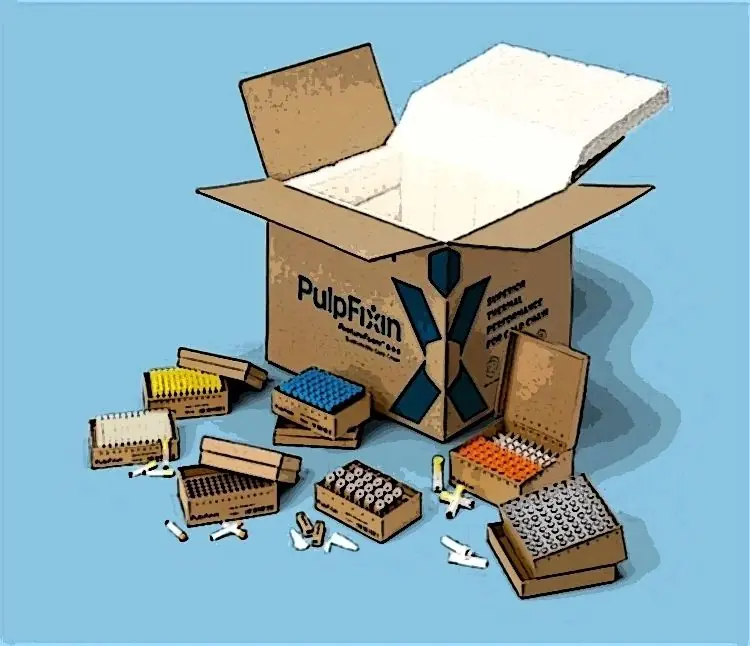
As global pressure to reduce plastic use intensifies, the laboratory sector is facing a critical materials transition challenge
As global pressure to reduce plastic use intensifies, the laboratory sector is facing a critical materials transition challenge. Startup PulpFixin is introducing pulp-based alternatives aimed at disrupting the long-standing reliance on single-use plastics in laboratory consumables, while balancing performance and sustainability.
重點摘要
Executive Summary / Lead隨著全球減塑壓力升高,實驗室產業正面臨材料轉型挑戰。新創企業PulpFixin提出以紙漿為基礎的替代方案,試圖顛覆長期依賴塑膠的一次性實驗耗材市場,並在性能與永續性之間取得平衡。
從生質塑膠轉向紙漿材料
As global pressure to reduce plastic use intensifies, the laboratory sector is facing a critical materials transition challenge. Startup PulpFixin is introducing pulp-based alternatives aimed at disrupting the long-standing reliance on single-use plastics in laboratory consumables, while balancing performance and sustainability.
From Bioplastics to Pulp-Based Innovation
企業與產業背景
Company & Industry ContextPulpFixin最初嘗試以生質塑膠取代傳統塑膠,但因成本高昂且供應有限,轉而重新思考材料本質,尋求更具經濟性與可持續性的替代方案。最終,紙漿因具備廣泛來源、低毒性及可自然分解等優勢,成為核心材料。
團隊背景橫跨塑膠、科學研究與紙業領域,累積數十年產業經驗,並利用對塑膠製造流程的深入理解,反向開發可行的替代材料。
PulpFixin initially explored bioplastics as a substitute for conventional plastics but found them costly and limited in availability. This led the company to rethink the necessity of plastics altogether, ultimately identifying paper pulp as a viable alternative due to its abundance, non-toxicity, and biodegradability.
The team brings decades of experience across plastics manufacturing, scientific research, and the paper industry, enabling them to leverage deep industry knowledge to develop practical and scalable alternatives.
挑戰與重要性
Challenge / Why It Matters塑膠回收的現實困境
儘管塑膠常被視為可回收材料,但實際回收率僅約10%,顯示理論與現實之間存在顯著落差。回收困難主要來自成本高、分類複雜及污染問題。不同類型塑膠需分開處理,但在廢棄流程中往往混合,降低再利用效率。
此外,部分塑膠在使用或分解過程中可能釋放有害物質,對環境與生態造成長期影響。相較之下,紙類與紙板的回收率可達70%至75%,且具備成熟且具經濟效益的回收市場。
The Reality Gap in Plastic Recycling
While plastics are often promoted as recyclable, real-world recycling rates remain around 10%, highlighting a significant gap between theory and practice. High costs, complex sorting requirements, and contamination issues continue to limit recycling effectiveness.
Different plastic types require separate processing, yet they are frequently mixed in waste streams, reducing reuse potential. Additionally, some plastics can release harmful substances into ecosystems, posing long-term environmental risks.
In contrast, paper and cardboard recycling rates reach approximately 70–75%, supported by well-established and economically viable recycling markets.
行動、方案與執行
Action / Solution / Implementation紙基材料的生命週期優勢
從生命週期角度來看,紙漿材料具備在地生產優勢,可降低運輸成本與碳排放,並能直接整合進既有回收與堆肥系統。這使企業能在材料設計初期即降低後端廢棄管理的複雜性。
打破實驗室使用門檻
紙基材料進入實驗室的主要挑戰在於使用者對潔淨與污染風險的疑慮。對此,PulpFixin開發經封裝與工程設計的紙基產品,避免污染累積,並透過實際測試驗證其可行性。
例如,其吸頭架產品已成功應用於自動化液體處理設備,並在-80°C、液態氮與乾冰等極端環境下測試,證實具備高度耐用性。此外,產品可透過電子束或伽瑪射線進行滅菌,符合實驗室標準。
性能對標塑膠並拓展應用場景
Lifecycle Advantages of Fiber-Based Materials
From a lifecycle perspective, pulp-based materials offer clear benefits. They can be produced locally in many regions, reducing transportation emissions and costs, and integrate seamlessly into existing recycling and composting systems. This allows companies to minimize end-of-life complexity by making sustainable material choices upfront.
Overcoming Barriers in Laboratory Adoption
One of the main challenges in introducing paper-based materials into laboratory environments is overcoming perceptions related to cleanliness and contamination. PulpFixin addresses this by engineering sealed, high-performance materials and validating them through real-world testing.
Its products have been successfully tested on automated liquid handling systems and in extreme conditions, including -80°C storage, liquid nitrogen, and dry ice environments. They also support sterilization through electron beam and gamma irradiation, meeting laboratory standards.
證據、成果與影響
Evidence / Results / ImpactPulpFixin的「功能薄膜(Feature film)」技術使紙基材料在強度、耐化學性與低溫環境下的表現接近甚至優於塑膠。測試顯示,其吸頭架可承受高達約1000公斤的整體壓力,並具備對酒精與常見緩衝液的耐受性。
在冷鏈物流領域,其紙基泡棉結構透過微氣孔設計提供隔熱效果,性能可與傳統聚苯乙烯(EPS)相當甚至更佳。經第三方認證測試,該材料可提供48至92小時的溫控能力,同時完全不含塑膠。
永續轉型的實務路徑
企業在短期內可透過減少不必要的塑膠使用、延長既有材料壽命(如清洗重複使用)、投資回收系統及推動堆肥等方式改善永續表現。此外,降低對化石燃料的依賴亦是長期關鍵方向。
Matching and Exceeding Plastic Performance
PulpFixin’s “feature film” technology enables pulp-based materials to match or exceed plastic performance in strength, chemical resistance, and low-temperature durability. For example, pipette tip racks can withstand up to approximately 1,000 kilograms of total force, making them suitable for both manual and automated workflows.
In cold chain logistics, its pulp-based foam uses microcellular structures to provide insulation comparable to expanded polystyrene (EPS). Third-party testing confirms thermal protection ranging from 48 to over 90 hours, achieved without the use of plastics.
Practical Pathways to Sustainability
Organizations can take immediate steps to improve sustainability by reducing unnecessary plastic use, extending the life of existing materials through reuse, investing in recycling systems, and adopting composting solutions. Reducing reliance on fossil fuels remains a critical long-term objective.
產業與制度意涵
Industry & Institutional Implications未來發展:從替代到重構實驗室生態
PulpFixin表示,未來將與傳統塑膠製造商合作,在不影響既有流程下逐步降低塑膠使用。同時,公司正研發全防水紙基材料,期望進一步取代試管、吸頭等核心耗材。
Future Outlook: Redefining the Laboratory Ecosystem
Looking ahead, PulpFixin plans to collaborate with traditional plastics manufacturers to integrate sustainable components into existing workflows. The company is also developing fully waterproof fiber-based materials, aiming to replace core consumables such as tubes and pipette tips.
SNN 編輯與揭露前證據基礎設施觀點
SNN Editorial / Pre-Disclosure Evidence Infrastructure Perspective此外,公司也推動「未來實驗室」概念,結合RFID、條碼與微型感測技術,提升產品全生命週期的可追溯性,並持續拓展至亞洲與非洲市場,加速永續材料的全球應用。
In parallel, it is advancing the concept of the “lab of the future,” integrating RFID, barcoding, and microtransponder technologies to enhance lifecycle traceability. With expansion plans across Asia and Africa, the company is positioning itself to scale sustainable lab solutions globally.
未來展望
Future Outlook整體而言,該案例顯示材料創新不僅是環境議題,更涉及供應鏈重塑與產業結構轉型,將成為未來實驗室與生命科學產業的重要競爭關鍵。
Overall, the case underscores that materials innovation is not only an environmental issue but also a strategic driver of supply chain transformation and industrial evolution in the life sciences sector.
來源、證據鏈與責任編輯
主題中心:企業與供應鏈
SNN.TW 原始刊登紀錄 ↗