
全球新聞
能源轉型的現場革命:Rosendin以機器人重塑太陽能建置效率
當我們談論能源轉型與淨零碳排,往往聚焦在發電技術的突破、電動車滲透率提升、或氫能、儲能等新技術的發展。但一個常被忽略的現場角落——太陽能電廠的「施工端」——如今正在悄然引發效率革命。
When We Talk About the Energy Transition, We Must Not Overlook the Construction Site
When We Talk About the Energy Transition, We Must Not Overlook the Construction Site
重點摘要
Executive Summary / Lead當我們談論能源轉型與淨零碳排,往往聚焦在發電技術的突破、電動車滲透率提升、或氫能、儲能等新技術的發展。但一個常被忽略的現場角落——太陽能電廠的「施工端」——如今正在悄然引發效率革命。
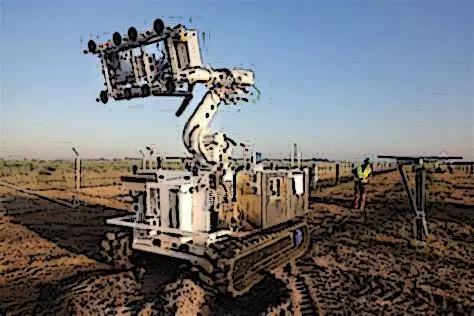
美國老牌電力承包商Rosendin近期公開展示其最新開發的機器人裝機技術,透過與技術工人協作,大幅提升光電板安裝速度與精準度,為全球再生能源建置領域樹立新典範。在德州Danevang的一個試驗場域中,該系統在兩位熟練人員操作下,一天可裝設350至400片模組,是傳統三至四人團隊人力效率的三倍。
When We Talk About the Energy Transition, We Must Not Overlook the Construction Site
When discussing the energy transition and net-zero goals, attention often centers on breakthroughs in power generation, the growing adoption of electric vehicles, or emerging technologies like hydrogen and energy storage. But one often overlooked corner of this transformation - the construction site of solar power plants - is quietly undergoing an efficiency revolution.
企業與產業背景
Company & Industry Context解決兩大難題:模組越來越大,工人越來越難找
這項創新技術之所以備受矚目,關鍵在於它直接解決了太陽能建設工地長期以來的兩大痛點:模組尺寸日益增大與人力缺工日益嚴峻。
Recently, U.S.-based power contractor Rosendin unveiled a new robotic installation system that, when used in tandem with skilled workers, significantly boosts the speed and precision of solar module installations - setting a new benchmark for renewable energy deployment. At a test site in Danevang, Texas, this system enabled two skilled operators to install 350 to 400 panels per day, three times the efficiency of traditional three- to four-person crews.
Solving Two Major Challenges: Larger Modules, Scarcer Labor
挑戰與重要性
Challenge / Why It Matters近年來,為追求發電效率與降低單位成本,太陽能模組尺寸快速放大,動輒4x8英尺、重量可達80至100磅。這讓傳統依賴人力搬運與安裝的作業方式不僅效率低落,也充滿職業傷害風險。
同時,美國與全球各地的太陽能案場建設快速增長,但熟練勞力的供應卻追不上需求。偏鄉地區更是面臨「有地無人」的困境,導致建案延遲、成本飆升、甚至影響整體綠能政策推進。
Rosendin 的策略,是打造一套可與人協同作業的「現場型自動化系統」,讓機器人負責重複性、重物搬運與模組定位的工作,將技術工人的勞動強度降到最低,讓他們更專注於品質控制與系統調校。
This innovative technology is gaining attention because it tackles two long-standing pain points in solar construction: the increasing size of solar modules and a worsening skilled labor shortage.
In recent years, solar modules have grown significantly larger - often reaching 4x8 feet and weighing 80 to 100 pounds - in a bid to enhance energy output and lower unit costs. This shift has made traditional, labor-intensive installation methods not only inefficient but also prone to workplace injuries.
Meanwhile, demand for solar installations has soared in the U.S. and worldwide, but the supply of skilled labor has not kept pace. Remote regions, in particular, face the challenge of having “land but no workers,” causing project delays, rising costs, and in some cases, setbacks for broader renewable energy goals.
行動、方案與執行
Action / Solution / Implementation「這是全球可複製的解方,讓偏遠地區也能安全、快速、具成本效益地完成太陽能建置,」Rosendin 資深副總 David Lincoln 表示。
更高的工地協作智慧,更少的碳足跡
Rosendin 的這套機器人系統,並非完全自動化,而是設計成「人機協作」(collaborative robotics, 或稱 cobots)模式。機器人不取代工人,而是協助工人完成高風險、高體力、高重複性的工序。這樣的設計,更容易被既有產業體系接受,也能在不需大量基礎建設改造的情況下快速導入。
更重要的是,這種效率提升不只是節省工期與成本,對環境也有正向意義。太陽能建置過程的碳足跡主要來自材料製造、運輸與施工過程的能源消耗。當施工期能夠縮短三分之二、錯誤與浪費率降低,代表整體案場的碳足跡與土地使用效益都能同步優化,這是符合ESG核心邏輯的「建置端減碳」。
Rosendin’s solution is a collaborative, on-site automation system where robots handle repetitive, heavy, and precision-placement tasks. This allows skilled workers to focus on quality control and system tuning, while significantly reducing their physical burden.
“This is a replicable solution for the world. It enables safe, fast, and cost-effective solar deployment even in remote areas,” said David Lincoln, Rosendin’s Senior Vice President.
Smarter Collaboration On-site, Lower Carbon Footprint
Rosendin’s robotic system is not fully autonomous but designed around collaborative robotics (cobots) - machines that work alongside, rather than replace, human workers. This design not only makes the technology more acceptable to existing workforces but also allows it to be adopted without major infrastructure overhauls.
More importantly, this improvement in efficiency has positive environmental impacts. The carbon footprint of solar installation primarily comes from material production, transportation, and on-site energy use. Reducing the construction timeline by two-thirds and minimizing errors and waste translates to a smaller carbon footprint and better land-use efficiency - an often-overlooked piece of the ESG equation known as “construction-side decarbonization.”
As Market Competition Heats Up, Efficiency Becomes the New Battleground
證據、成果與影響
Evidence / Results / Impact市場競爭加劇,建置效率將成關鍵門檻
隨著美國《降低通膨法案》(IRA)大幅擴大綠能投資補助,太陽能案場開發成為全國競逐的市場焦點,規模與速度成為勝負關鍵。在全球能源轉型競賽中,不只是誰先擁有地、模組與資金,更是誰能更快、更穩、更便宜地把一個案場從藍圖變成運轉中的電廠。
Rosendin 機器人技術的落地,不只是技術突破,更可能引發太陽能建設業者對效率的新標準。這將改變案場競標邏輯,建商將更重視建置技術優勢,進而引發自動化與數位轉型浪潮,也將重塑 EPC(設計-採購-施工)產業生態。
對亞洲與台灣的啟示:偏鄉綠能建置與工地安全管理
這項技術對亞洲市場同樣具有高度參考價值。以台灣為例,綠能政策明確要求提升太陽光電占比,但案場多位於偏遠地區,常面臨在地工班不足、進度延誤與高溫施作的工安風險。
With the U.S. Inflation Reduction Act (IRA) injecting massive investments into clean energy, solar project development has become a national priority. In this landscape, scale and speed are key differentiators. In the global energy transition race, the winners won’t just be those who secure land, modules, and capital - but those who can turn blueprints into working power plants faster, more reliably, and at lower cost.
Rosendin’s robotic breakthrough represents more than a technical leap; it signals a shift in industry standards. As project bids become increasingly competitive, construction efficiency will become a core differentiator - potentially triggering a wave of automation and digital transformation that reshapes the EPC (Engineering, Procurement, Construction) ecosystem.
Implications for Asia and Taiwan: Rural Deployment and On-site Safety
This technology also holds high relevance for Asian markets. In Taiwan, for instance, renewable energy policies aim to boost the share of solar power, but many projects are located in remote areas, where local labor is scarce and construction is often delayed. Moreover, heat stress and safety risks on-site are growing concerns.
產業與制度意涵
Industry & Institutional Implications若台灣能引進並在地化此類協作型自動化施工技術,不僅能加速中南部、大面積地面型案場的推動,還能提升在地太陽能建置團隊的職場安全與技能升級。更進一步,當我國推動「出口型綠能技術服務業」之際,此類工地智慧化模組也有潛力成為輸出國際的技術服務解方。
If Taiwan can adopt and localize collaborative robotic construction, it could accelerate the development of large-scale, ground-mounted solar farms, especially in central and southern regions. It would also improve workplace safety and upskill local solar teams. Furthermore, as Taiwan promotes itself as a green energy technology exporter, this kind of intelligent on-site solution could become part of its international service offering.
SNN 編輯與揭露前證據基礎設施觀點
SNN Editorial / Pre-Disclosure Evidence Infrastructure Perspective結語:能源轉型的下一哩路在「現場」
Conclusion: The Next Frontier of Energy Transition Is on the Ground
未來展望
Future Outlook當我們關心2050淨零目標,常將目光集中於創能技術與政策工具,但真正能推進轉型落地的,往往來自那些默默在工地上日曬雨淋、組裝每一塊模組的現場英雄。而若有更多像Rosendin這樣的企業,能結合數位、機械與人力管理技術,讓工地成為效率與安全兼顧的新型智慧場域,能源轉型的每一步,就能走得更穩、更快,也更永續。
While our attention often focuses on energy technologies and policy frameworks when envisioning a 2050 net-zero future, true progress often stems from those working tirelessly on-site - assembling panels under the sun and rain. If more companies like Rosendin can harness digital, mechanical, and workforce innovations to make construction sites safer and more efficient, then every step of the energy transition can be faster, steadier, and more sustainable.
來源、證據鏈與責任編輯
主題中心:氣候與能源轉型
SNN.TW 原始刊登紀錄 ↗