
永續學堂
企業氣候調適怎麼落地:把風險評估接到營運、預算與驗證紀錄
SNN.TW 編輯報導SNN.TW Editorial Reporting
KnowESG 的企業調適指南提醒企業區分減緩與調適。結合 C2ES 與 Systemiq 的企業研究及 UNEP 調適融資資料,SNN 說明如何把實體風險轉成可追蹤的營運決策。
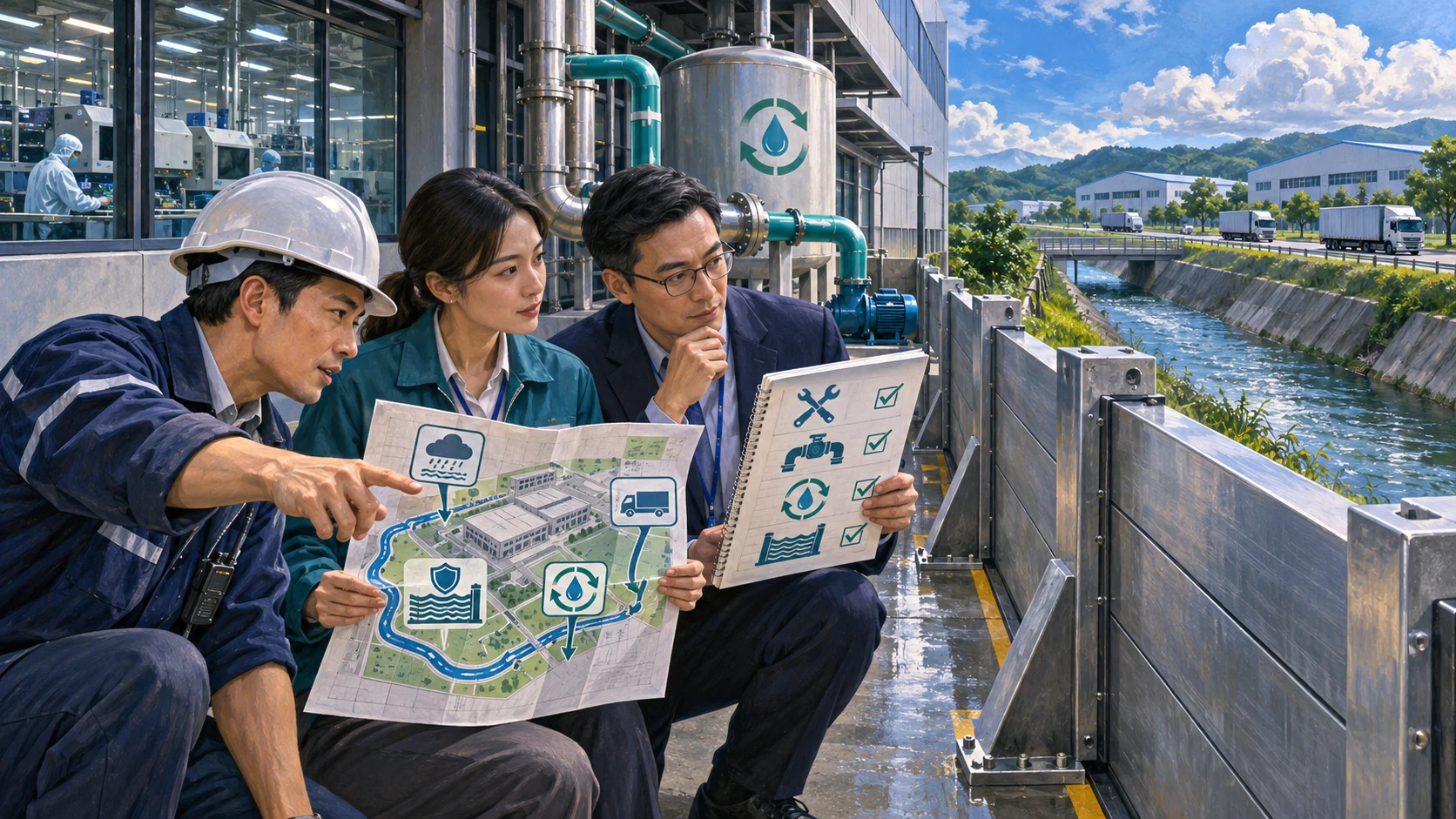
Making corporate climate adaptation operational through risk, budget and verification records
A KnowESG guide distinguishes adaptation from mitigation. Drawing on C2ES and Systemiq research and UNEP adaptation-finance data, SNN explains how physical-risk assessments can become traceable operating decisions.
重點摘要
Executive Summary / LeadKnowESG 於 11 月 10 日發布企業氣候調適指南,討論企業如何面對洪水、乾旱、高溫與供應鏈中斷。這是一篇方法與實務教育稿,不是新法規或新認證的公告。調適處理企業如何承受已存在或預期的實體風險,減緩則主要處理降低溫室氣體排放,兩者需要不同的決策資料。
A KnowESG guide published on November 10 discusses how businesses can respond to floods, drought, heat and supply disruption. This is an educational account of adaptation practice, rather than an announcement of a regulation or certification. Adaptation concerns the ability to operate under physical climate stresses; mitigation primarily concerns reducing greenhouse-gas emissions.
企業與產業背景
Company & Industry Context廠房、員工、供應商與物流節點對相同氣候危害的曝險並不一致。降低營運碳排,不能自行證明設施已有防洪能力或備援水源。C2ES 與 Systemiq 的企業韌性研究,將公司辨識風險但未能擴大行動的落差,連結到財務語言、責任歸屬及跨部門協作。
Facilities, workers, suppliers and transport nodes experience different exposures. A lower emissions footprint does not establish flood protection or a reliable backup water supply. Corporate resilience research by C2ES and Systemiq connects the gap between recognizing risk and scaling action with financial language, ownership and coordination across operating functions.
挑戰與重要性
Challenge / Why It Matters從「高風險」標籤走到投資決策,需要知道可能停工多久、哪些收入或資產受影響,以及哪些支出能降低特定損失。若評估只保留一張顏色矩陣,財務部門很難與其他資本支出比較。調適也可能涉及共用水源或交通系統,單一企業的控制範圍必須說清楚。
A decision requires more than describing a location as high risk. Managers need to understand potential downtime, revenue or asset exposure and the measures that could reduce particular losses. Finance teams cannot readily compare an unexplained colour rating with other capital proposals. Shared water and transport systems also place limits on what one company can control.
行動、方案與執行
Action / Solution / Implementation可執行的流程是先界定廠址與供應商節點,再選定危害情境、時間範圍和營運基準,接著比較具體方案的成本與限制。把責任人、預算決議、工程驗收與後續演練放入同一追蹤紀錄,能讓計畫修訂時看出哪些假設改變,而不是只更新一個總分。
An operational process identifies locations and supplier nodes, selects hazards and time horizons, and documents the baseline against which options are compared. Named responsibilities, budget decisions, engineering acceptance and subsequent exercises create continuity. When a plan changes, reviewers can then identify the revised assumption rather than merely seeing a new overall score.
證據、成果與影響
Evidence / Results / ImpactC2ES 與 Systemiq 的研究支持把實體風險轉成停工、收入與資本曝險等可討論的尺度。UNEP《2025 調適差距報告》則顯示,開發中國家的調適融資需求與公共資金流仍存在很大落差。國家層級的融資缺口不能直接當成某家企業的預期報酬,但可提醒決策者不要把計畫存在誤認為資金與執行都已到位。
C2ES and Systemiq support translating physical exposure into decision-relevant operational and financial terms. UNEP’s Adaptation Gap Report 2025 independently documents the gap between developing-country adaptation needs and public finance flows. That national-scale financing gap cannot be used as a company-specific return estimate, but it highlights why a plan is not equivalent to funded implementation.
產業與制度意涵
Industry & Institutional ImplicationsSNN 的方法解讀是,企業調適應保留「風險假設、選案依據、責任、資源、執行、再評估」的連續性。研究提供管理方向,不等同強制性國際標準,也不證明任何特定措施已有效。使用研究中的平均值或調查結果時,應交代樣本與分析層級,避免直接套用為單一廠址的損失預測。
SNN interprets adaptation governance as a chain connecting assumptions, option selection, ownership, resources, execution and reassessment. The research offers management approaches rather than a compulsory international standard. Survey averages require their original sample and analytical context; they should not be applied directly as a loss forecast for an individual facility.
SNN 編輯與揭露前證據基礎設施觀點
SNN Editorial / Pre-Disclosure Evidence Infrastructure PerspectiveSNN 編輯分析與建議:揭露前證據基礎設施應讓調適方案的假設與驗證結果可被重算。國際客戶與保險市場對營運韌性要求的調整,可能經由供應鏈續約及承保問卷,形成台灣電子廠務團隊與供應鏈風險團隊的證據交付需求;不代表國外研究已證明台灣個別工廠安全或合規。台灣電子廠務團隊應在防洪工程驗收前核對廠址淹水情境圖、排水設計基準與驗收測試紀錄,並於每次強降雨演練後更新維護工單。台灣供應鏈風險團隊應在關鍵料件續約前比對供應商節點清冊、替代產能確認紀錄及運輸中斷演練結果,再決定是否調整訂單配置。台灣企業財務團隊應在每次調適預算覆核時,連結停工損失假設、資本支出決議與保單除外條款,記錄殘餘風險由誰承擔。這些是條件式建議,效果仍需事件後的實際紀錄驗證。
SNN editorial analysis: Pre-Disclosure Evidence Infrastructure should preserve assumptions and tests so that adaptation decisions can be reassessed. Changes in international customer and insurance market requirements for operational resilience may flow through supply-chain renewals and underwriting questionnaires into evidence demands for Taiwan electronics facilities teams and supply-chain risk teams. This does not establish safety or compliance at a particular Taiwan factory. Taiwan electronics facilities teams should reconcile site flood-scenario maps, drainage design baselines and acceptance test records before approving flood-protection works, then update maintenance work orders after each severe-rain exercise. Taiwan supply-chain risk teams should compare supplier-node records, alternative-capacity confirmations and transport-disruption exercise results before renewing critical-component contracts. Taiwan company finance teams should connect downtime-loss assumptions, capital-spending resolutions and insurance exclusion clauses during each adaptation budget review, recording responsibility for residual risk. These are conditional editorial recommendations; effectiveness still needs actual operating records and subsequent verification.
未來展望
Future Outlook成熟的調適管理會隨危害資料、設備狀態與供應商安排修訂。下一步不必追求一次消除所有不確定性,而是先挑出關鍵節點,把一項改善措施從核准追蹤到測試及覆核。未來若要主張韌性提升,應說明相對哪個基準、由誰檢查,以及有哪些尚未被測試的限制。
Adaptation management needs revision as hazards, equipment and supplier arrangements change. A practical next step is to follow one critical improvement from approval to testing and review. Any future claim of improved resilience should identify the baseline, verification responsibility and remaining untested limitations rather than promise complete protection.
來源、證據鏈與責任編輯
來源媒體:KnowESG · 原文作者:KnowESG Editorial Team · 原文發布:
外部論述與制度來源
以下外部公告、法規、研究或新聞用於支撐本文論述,並與原始出版分開呈現。
- discovery_mediaKnowESGClimate Adaptation Strategies for Businesses and ESG Teams ↗出版日期 2026-11-10 · 查核時間 2026-11-11 12:11 (UTC+8)
Verified publisher article directly reports the candidate event and the identified substantive claims.
- first_party_primaryC2ES and SystemiqClimate Resilience as Strategy - Center for Climate and Energy SolutionsCenter for Climate and Energy Solutions ↗出版日期 2026-06-18 · 查核時間 2026-11-11 12:14 (UTC+8)
Original practitioner research supports corporate adaptation, financial quantification, ownership, operations and capital-planning methods.
- independent_cross_checkUnited Nations Environment ProgrammeAdaptation Gap Report 2025 | UNEP - UN Environment Programme ↗出版日期 2025 · 查核時間 2026-11-11 12:15 (UTC+8)
Independent adaptation finance data supports constraints on financing and need to link adaptation plans to implementation; does not establish corporate return or certification.
主題中心:氣候與能源轉型