
ENGLISH EDITION · 全球新聞
The Wild House Tests Regenerative Social Housing in Brighton
The Wild House combines ecological design, low-impact materials and social housing to test whether urban buildings can support both residents and local biodiversity.
This English edition is available for independent reading and search discovery.
Executive Summary / Lead
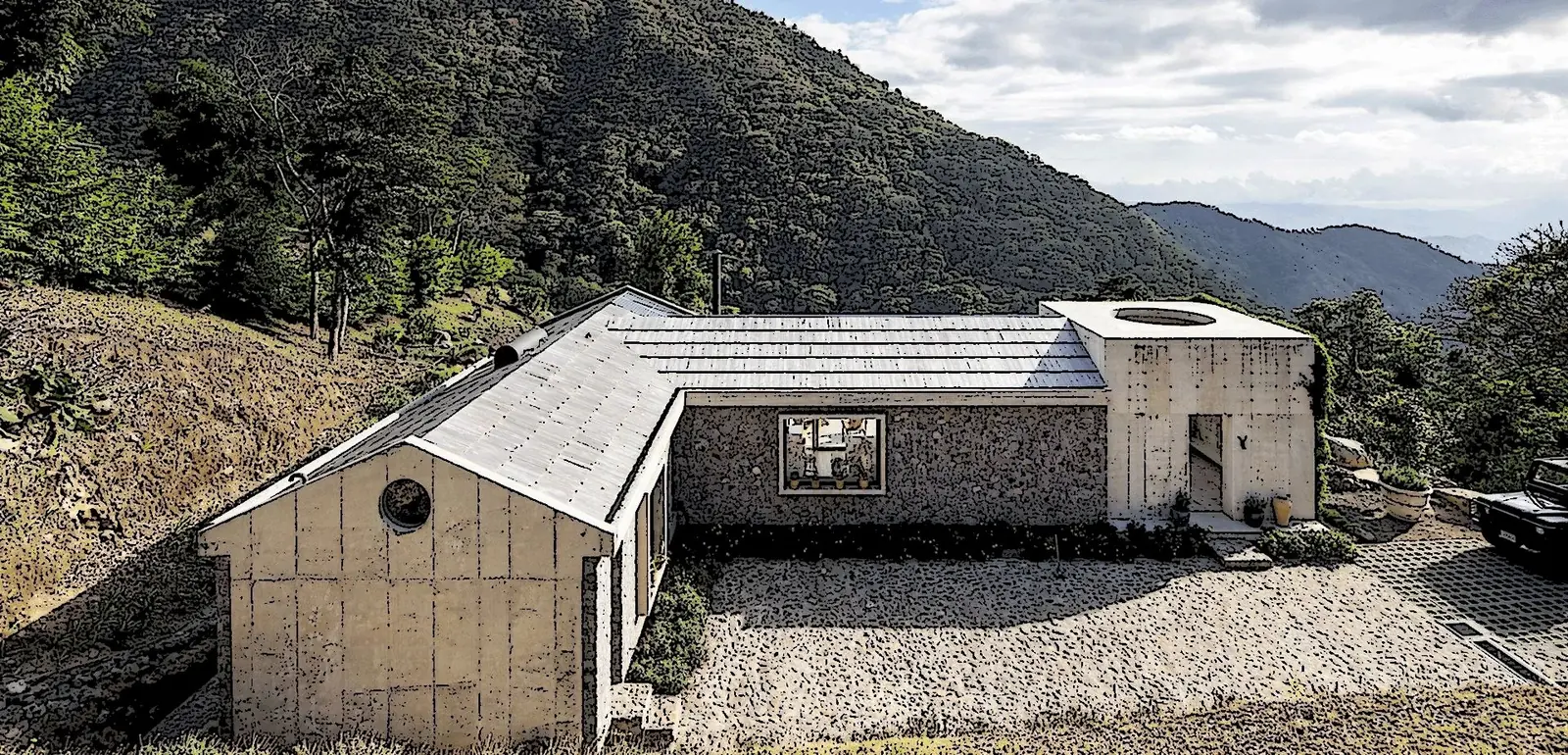
In Brighton, UK, an unassuming yet deeply inspiring sustainable social housing project has recently made its debut. Known as The Wild House, this experimental building is more than just a residential showcase - it is a bold urban initiative that fuses ecological design, architectural innovation, and social care. Its message is clear and forward-looking: our built environments must reconnect with the natural world.
Company & Industry Context
Bringing Social Housing Back to Its Ecological Roots
Led by the University of Brighton, The Wild House was conceived with a fully regional approach to design and construction. Materials were sourced locally - chalk native to Brighton, timber from nearby woodlands, and natural clay - minimizing the carbon footprint while reinforcing a strong connection to the local landscape. The project aligns with emerging trends such as ecosystem-based design and regenerative architecture.
Challenge / Why It Matters
In an era of rapid urban development and shrinking green spaces, The Wild House advocates for more than sustainable shelter - it proposes a lifestyle of coexistence with natural ecosystems. With nearly one in five UK residents living in areas with limited access to green space, this initiative offers a scalable blueprint for integrating nature-based healing and low-carbon living into dense urban contexts.
Action / Solution / Implementation
A New Proposal for “Immersive Nature Architecture”
Beyond its natural materials, The Wild House pioneers a new user experience by incorporating immersive soundscapes and augmented reality (AR) interactions indoors, allowing residents to maintain an emotional connection with nature even while inside. This application of multisensory architecture expands the role of buildings into spaces of experiential education and ecological awareness.
It reflects a broader evolution in green building - from focusing purely on energy efficiency and carbon metrics, to embracing psychological wellbeing, ecological continuity, and community integration as equally vital outcomes.
Institutional Significance and Scalable Potential
Importantly, The Wild House is not a standalone design showcase but a collaborative platform integrating multiple disciplines and institutions. It brings together design leadership from the University of Brighton’s School of Art and Media, ecological sound experiments from the University of Sussex, and policy integration and community engagement facilitated by The Living Coast UNESCO Biosphere Reserve.
Evidence / Results / Impact
This model exemplifies the future of sustainable architecture, where diverse actors co-create solutions through regional governance and interdisciplinary synergy.
Supported by the UK Engineering and Physical Sciences Research Council (EPSRC) and connected to the Ecological Citizen(s) Network+, the project functions not only as a prototype but also as a mediator between policy dialogue and built practice.
What Can Taiwan Learn from This?
For Taiwan, which is actively pursuing its 2050 net-zero emissions goal, The Wild House offers a compelling framework for rethinking sustainability in the built environment. It shows that true sustainable architecture goes beyond energy-efficient systems or green-certified materials - it reimagines the relationship between people, buildings, and nature.
Industry & Institutional Implications
As Taiwan promotes social housing and urban renewal, could we introduce more landscape-oriented, community-driven, and ecologically educational elements? Could we transform architecture into a living platform for practicing a new lifestyle?
SNN Editorial / Pre-Disclosure Evidence Infrastructure Perspective
As project lead Dr. Nicholas Gant puts it:
"The Wild House is a social experiment in design - exploring how we might reestablish our connection to natural systems in everyday life."
Future Outlook
This isn’t just a small step in green architecture - it’s a significant stride toward building regenerative cities.
Sources, evidence chain and editorial responsibility
Topic hub: 企業與供應鏈