
全球新聞
《能源法》2025年生效,中國進一步強化能源安全與應對氣候變遷
中國在氣候政策和能源戰略上邁出具有里程碑意義的一步。全國人民代表大會常務委員會於近日會議上通過了《能源法》——這是中國首部全面規範能源領域的法律。根據規定,《能源法》將於2025年1月1日正式生效,標誌著中國能源政策的法治化新階段。
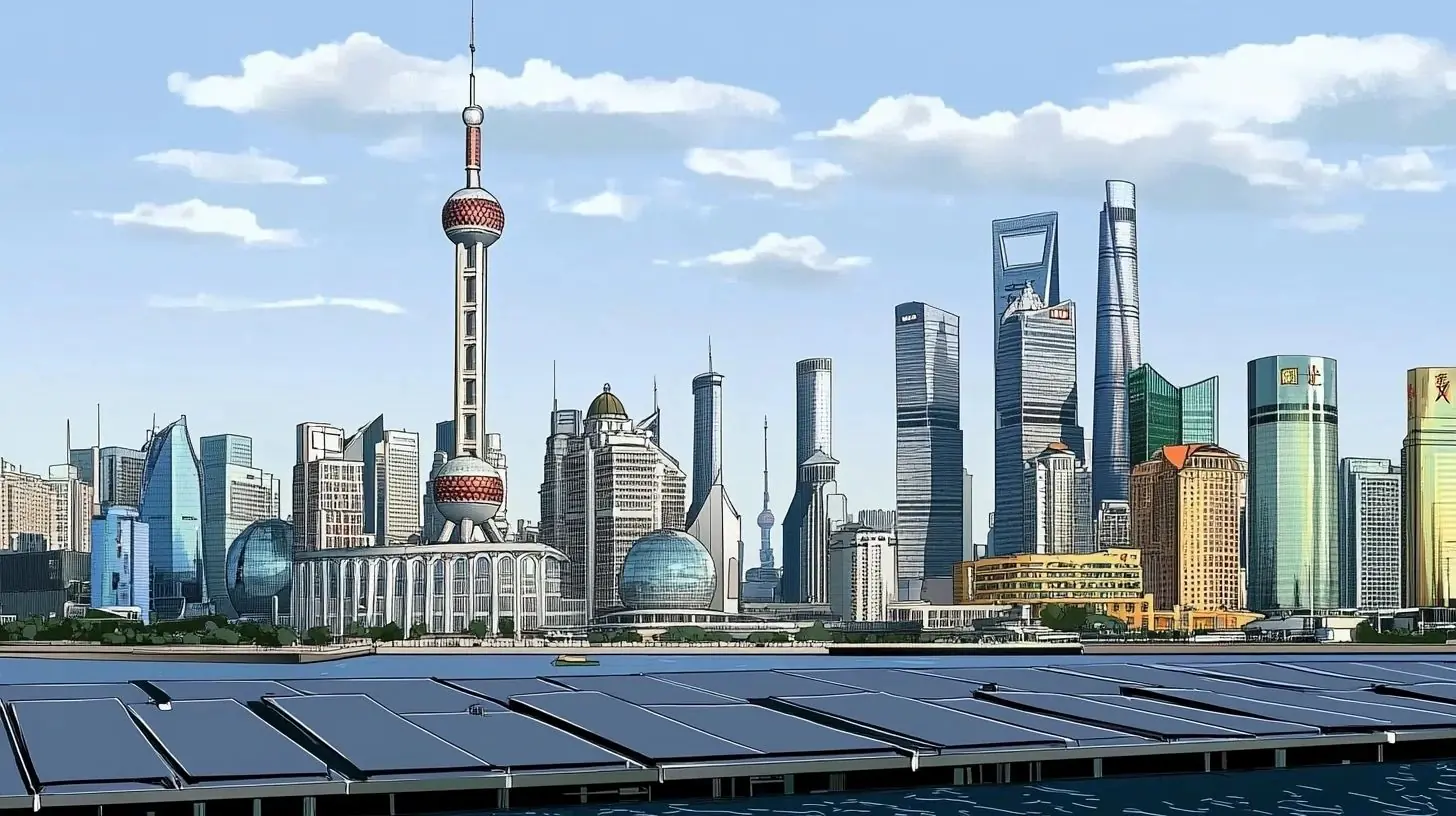
The "Energy Law" will take effect in 2025, China will further strengthen energy security and respond to climate change
China has taken a landmark step in climate policy and energy strategy. The Standing Committee of the National People's Congress passed the "Energy Law" at a recent meeting - this is China's first law to comprehensively regulate the energy field. According to regulations, the "Energy Law" will officially take effect on January 1, 2025, marking a new stage of legalization of China's energy policy.
重點摘要
Executive Summary / Lead中國在氣候政策和能源戰略上邁出具有里程碑意義的一步。全國人民代表大會常務委員會於近日會議上通過了《能源法》——這是中國首部全面規範能源領域的法律。根據規定,《能源法》將於2025年1月1日正式生效,標誌著中國能源政策的法治化新階段。
這部《能源法》涵蓋了九個章節,全面系統地規範了能源的規劃與開發、利用、市場體系、儲備和應急應對、技術創新、監管以及法律責任等範疇。該法律旨在推動高質量的能源發展,加強國家能源安全,並促進綠色、低碳的經濟轉型。這一舉措被視為中國面向全球的積極表態,也是其國內應對氣候變遷的具體行動。
China has taken a landmark step in climate policy and energy strategy. The Standing Committee of the National People's Congress passed the "Energy Law" at a recent meeting - this is China's first law to comprehensively regulate the energy field. According to regulations, the "Energy Law" will officially take effect on January 1, 2025, marking a new stage of legalization of China's energy policy.
The Energy Law covers nine chapters and comprehensively and systematically regulates energy planning and development, utilization, market system, reserves and emergency response, technological innovation, supervision, and legal liability. The law aims to promote high-quality energy development, strengthen national energy security, and promote a green, low-carbon economic transformation. This move is seen as China's positive stance toward the world and its concrete domestic action to address climate change.
企業與產業背景
Company & Industry Context推動碳中和目標,助力可持續發展
Promote carbon neutrality goals and support sustainable development
According to state media reports, the new "Energy Law" is one of the cornerstones of China's goal of "peaking carbon emissions in 2030 and becoming carbon neutral in 2060." The enactment of the law further highlights China's determination to promote sustainable development and transition to a low-carbon economy. At the same time, Xinhua News Agency pointed out that the "Energy Law" reflects China's philosophy of pursuing high-quality development while ensuring national energy security. This is also one of China's grand visions of building a modern socialist country.
挑戰與重要性
Challenge / Why It Matters根據國家媒體報導,新《能源法》是中國實現「2030年碳排放達峰、2060年碳中和」目標的基石之一。法律的制定,進一步凸顯了中國推動可持續發展和向低碳經濟轉型的決心。同時,新華社指出,《能源法》體現了中國在保障國家能源安全的同時,追求高質量發展的理念,這也正是中國建設現代化社會主義國家的宏大願景之一。
這部法律的出台,進一步加強了中國作為全球最大溫室氣體排放國之一及清潔能源創新領導者的雙重角色。中國目前的風能和太陽能裝機容量接近於全球其他國家總和的兩倍,展示了其在氣候行動方面的技術能力及領導地位。通過該法案,中國向全球釋放出積極的信號,顯示其應對氣候變遷的決心與實力。
The introduction of this law further strengthens China's dual role as one of the world's largest emitters of greenhouse gases and a leader in clean energy innovation. China’s current installed wind and solar capacity is nearly twice that of the rest of the world combined, demonstrating its technical capabilities and leadership in climate action. Through this bill, China has sent a positive signal to the world, showing its determination and strength to deal with climate change.
行動、方案與執行
Action / Solution / Implementation強化能源政策法治化 回應全球暖化挑戰
在全球氣候變遷的當前形勢下,這部法律的出台恰逢其時。歐盟氣候監測機構「哥白尼氣候變遷服務」近日發布的報告指出,2024年可能成為有記錄以來最熱的一年,全球氣溫有望超過工業化前水平1.5攝氏度的臨界值。這一預測凸顯了世界各國加快氣候行動的緊迫性。
中國近年來也已深受極端氣候事件的影響。自2023年以來,中國各地出現了多次破紀錄的熱浪、高溫及大範圍的洪水災害,對人民的生活和經濟活動造成了嚴重衝擊。此次《能源法》出台,旨在加強國家應對氣候變遷的韌性,同時推動能源結構的低碳轉型。這一立法里程碑將支持中國在未來的國際氣候談判中,積極推動其環保議程,包括在即將於亞塞拜然舉行的COP29上發揮重要作用。
Strengthen the legalization of energy policies to respond to the challenge of global warming
In the current situation of global climate change, the introduction of this law comes at the right time. A recent report released by the European Union's climate monitoring agency "Copernicus Climate Change Service" pointed out that 2024 may become the hottest year on record, and global temperatures are expected to exceed the critical value of 1.5 degrees Celsius above pre-industrial levels. The forecast highlights the urgency for countries around the world to accelerate climate action.
China has also been deeply affected by extreme climate events in recent years. Since 2023, there have been multiple record-breaking heat waves, high temperatures and widespread floods across China, which have had a serious impact on people's lives and economic activities. The introduction of the Energy Law aims to strengthen the country's resilience to climate change while promoting the low-carbon transformation of the energy structure. This legislative milestone will support China in actively promoting its environmental agenda in future international climate negotiations, including playing an important role at the upcoming COP29 in Azerbaijan.
Strategic responses and global impacts of domestic policies
證據、成果與影響
Evidence / Results / Impact國內政策的戰略應對與全球影響
中國首部《能源法》不僅有助於推動國內低碳發展目標,還意味著中國將在全球能源政策和氣候行動中發揮更積極的角色。該法案提出多項政策指導方向,將推動能源部門在科技創新、市場化、綠色能源的發展上實現全方位轉型。
China's first "Energy Law" will not only help promote domestic low-carbon development goals, but also mean that China will play a more active role in global energy policy and climate action. The bill proposes a number of policy guidance directions that will promote the energy sector to achieve all-round transformation in terms of technological innovation, marketization, and the development of green energy.
產業與制度意涵
Industry & Institutional Implications特別是,該法規對能源的規劃和開發、儲備和應急應對等方面進行了明確規範,有助於應對當前和未來的氣候變遷挑戰,提升能源體系的穩定性及應急能力。這些條款不僅反映了中國自身的政策需求,也可望在全球氣候政策中產生積極影響。
In particular, this regulation clearly regulates energy planning and development, reserves and emergency response, which will help to cope with current and future climate change challenges and improve the stability and emergency response capabilities of the energy system. These provisions not only reflect China’s own policy needs, but are also expected to have a positive impact on global climate policy.
SNN 編輯與揭露前證據基礎設施觀點
SNN Editorial / Pre-Disclosure Evidence Infrastructure Perspective業內專家普遍認為,中國的首部《能源法》為未來幾十年的能源政策和碳減排奠定了堅實基礎,將進一步提升中國在國際能源領域的話語權和影響力。隨著該法案於2025年正式生效,中國的能源政策法治化進程將全面加速,使得能源行業在高效、綠色、可持續的軌道上穩步發展。
Experts in the industry generally believe that China's first "Energy Law" has laid a solid foundation for energy policy and carbon emission reduction in the next few decades, and will further enhance China's voice and influence in the international energy field. As the bill officially takes effect in 2025, China's energy policy legalization process will be fully accelerated, allowing the energy industry to develop steadily on an efficient, green, and sustainable track.
未來展望
Future Outlook思享永續顧問服務公司的章孝成認為,中國作為全球最大溫室氣體排放國之一,此舉有望使其他國家跟進效仿立法,尤其是跨國公司的生產方式與環保政策。雖然台灣的能源政策發展與中國存在法制化進度上的差異,但整體目標相似,均集中於提升能源效率、增加再生能源比例以及應對氣候挑戰。但台灣目前尚未制定與中國《能源法》一樣全面的能源領域之法律,僅有相關政策和法律的框架,如《溫室氣體減量及管理法》、《再生能源發展條例》等法規補充。然而台灣目前也正在積極推動能源結構轉型,且承諾在2050年達成淨零排放,並透過《氣候變遷因應法》提供法源支持。
Zhang Xiaocheng of Scienjoy Sustainability Consulting Services believes that as China is one of the world's largest emitters of greenhouse gases, this move is expected to encourage other countries to follow suit and imitate legislation, especially the production methods and environmental protection policies of multinational companies. Although there are differences in legalization progress between Taiwan's energy policy development and China's, the overall goals are similar, focusing on improving energy efficiency, increasing the proportion of renewable energy, and addressing climate challenges. However, Taiwan has not yet formulated a law in the energy field that is as comprehensive as China's Energy Law. It only has relevant policies and legal frameworks, such as the Greenhouse Gas Reduction and Management Act, the Renewable Energy Development Regulations and other regulations to supplement it. However, Taiwan is currently actively promoting the transformation of its energy structure and has pledged to achieve net-zero emissions by 2050 and provide legal support through the Climate Change Response Act.
來源、證據鏈與責任編輯
主題中心:永續制度與揭露
SNN.TW 原始刊登紀錄 ↗