
全球脈動
壓克力可重生
英國University of Bath研究團隊近日開發出一項突破性技術,可透過化學方式回收壓克力(PMMA),在降低能源消耗的同時維持材料品質,為塑膠循環經濟提供關鍵進展。
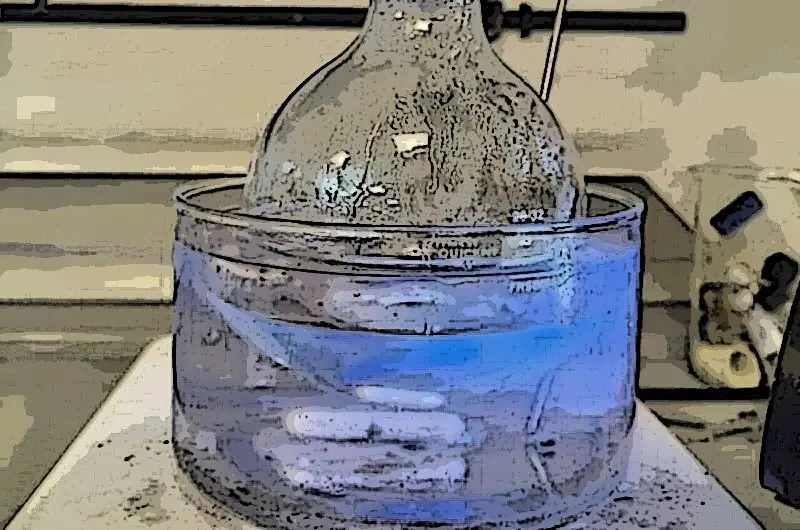
Researchers at the University of Bath have developed a breakthrough chemical recycling method for acrylic (PMMA)
Researchers at the University of Bath have developed a breakthrough chemical recycling method for acrylic (PMMA), enabling repeated recycling without loss of material quality while significantly reducing energy consumption.
重點摘要
Executive Summary / Lead英國University of Bath研究團隊近日開發出一項突破性技術,可透過化學方式回收壓克力(PMMA),在降低能源消耗的同時維持材料品質,為塑膠循環經濟提供關鍵進展。
Researchers at the University of Bath have developed a breakthrough chemical recycling method for acrylic (PMMA), enabling repeated recycling without loss of material quality while significantly reducing energy consumption.
企業與產業背景
Company & Industry Context壓克力(市售品牌如Perspex與Plexiglas)為全球廣泛使用的透明熱塑性材料,每年用量約達300萬公噸,應用涵蓋汽車零件、顯示面板及建築材料等領域。然而,現行回收方式仍面臨效率與品質雙重限制。
Acrylic, commonly sold under brand names such as Perspex and Plexiglas, is a widely used transparent thermoplastic, with global demand reaching approximately 3 million metric tons annually across applications including automotive components, display screens, and construction materials. However, existing recycling methods remain constrained by efficiency and quality limitations.
挑戰與重要性
Challenge / Why It Matters研究指出,傳統機械回收雖為主流,但會造成材料變色與性能下降,使再生材料難以應用於高透明度產品。另一方面,近年興起的熱裂解(pyrolysis)技術雖可回收高品質單體,但需在350至400°C高溫下進行,導致能耗過高且易受其他塑膠污染。
Mechanical recycling, the most common approach, often results in discoloration and material degradation, limiting its reuse in high-value applications. Meanwhile, pyrolysis-based recycling can restore virgin-quality monomers but requires high temperatures of 350–400°C, leading to substantial energy consumption and contamination risks.
行動、方案與執行
Action / Solution / Implementation此次研究由Dr. Jon Husband與Dr. Simon Freakley領導,成果發表於Nature Communications。團隊採用紫外光(UV)在無氧環境下分解PMMA,成功將塑膠「解鏈」回原始單體。該技術運作溫度僅120至180°C,大幅低於傳統方法,顯著降低能源需求。
在效率方面,該方法可達超過95%的轉化率,並回收逾70%的單體,經純化後可重新聚合為接近全新品質的材料,實現真正的「閉環回收」(closed-loop recycling)。
The new method, led by Dr. Jon Husband and Dr. Simon Freakley and published in Nature Communications, uses ultraviolet (UV) light under oxygen-free conditions to depolymerize PMMA into its original monomer building blocks. Crucially, the process operates at much lower temperatures of 120–180°C, significantly reducing energy input.
證據、成果與影響
Evidence / Results / Impact研究團隊強調,此技術不僅改善回收品質問題,也提升經濟可行性,有助於解決塑膠回收長期面臨的「高成本、低價值」困境。
The system achieves over 95% conversion and yields more than 70% recoverable monomer, which can be purified and repolymerized into materials comparable to virgin plastic - enabling true closed-loop recycling.
產業與制度意涵
Industry & Institutional Implications此外,相較於ETH Zurich近期採用含氯溶劑的類似研究,Bath團隊的技術使用更具永續性的溶劑系統,降低環境與操作風險,提升產業應用潛力。
Compared with a parallel approach developed by ETH Zurich that relies on chlorinated solvents, the Bath process uses more sustainable solvents, improving environmental performance and industrial feasibility.
SNN 編輯與揭露前證據基礎設施觀點
SNN Editorial / Pre-Disclosure Evidence Infrastructure Perspective目前該技術仍處於實驗室階段,僅能處理少量塑膠廢料,但研究人員正持續優化效率與放大製程。未來若能成功商業化,將有望重塑壓克力回收產業,並為高品質塑膠材料建立真正循環利用的解決方案。
Although currently limited to small-scale laboratory applications, the research team is working to improve efficiency and scale up the process. If successfully commercialized, the technology could transform acrylic recycling and provide a viable pathway toward high-quality circular plastics.
未來展望
Future Outlook整體而言,此技術反映化學回收正從高能耗模式轉向低碳、高效率路徑,亦顯示材料科學創新在推動塑膠循環經濟與減碳轉型中的關鍵角色。
Overall, the development highlights a broader transition in chemical recycling - from energy-intensive processes to lower-carbon, high-efficiency solutions - underscoring the critical role of materials innovation in advancing circular economy and decarbonization goals.
來源、證據鏈與責任編輯
主題中心:氣候與能源轉型
SNN.TW 原始刊登紀錄 ↗