
全球脈動
廉價T恤背後代價
儘管全球服裝品牌近年來頻頻承諾保障勞工權益、推動供應鏈永續與支付生活工資(Living Wage),但最新研究顯示,快速時尚產業長期追求低成本採購的商業模式,仍對成衣供應鏈中的勞工待遇形成巨大壓力。
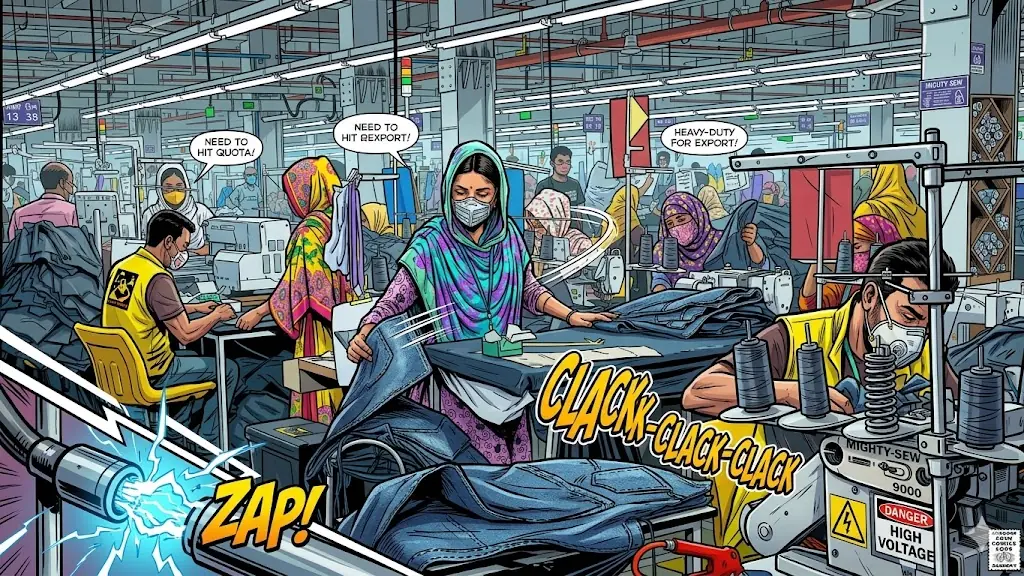
A new report suggests that the industry's long-standing pursuit of low-cost sourcing continues to place significant pressure on garment workers throughout global supply chains
Despite growing commitments from global fashion brands to uphold labor rights and support living wages, a new report suggests that the industry's long-standing pursuit of low-cost sourcing continues to place significant pressure on garment workers throughout global supply chains.
重點摘要
Executive Summary / Lead儘管全球服裝品牌近年來頻頻承諾保障勞工權益、推動供應鏈永續與支付生活工資(Living Wage),但最新研究顯示,快速時尚產業長期追求低成本採購的商業模式,仍對成衣供應鏈中的勞工待遇形成巨大壓力。
Despite growing commitments from global fashion brands to uphold labor rights and support living wages, a new report suggests that the industry's long-standing pursuit of low-cost sourcing continues to place significant pressure on garment workers throughout global supply chains.
A study released by Swiss watchdog Public Eye and the nonprofit Clean Clothes Campaign examined cotton T-shirts imported into the European Union, the world’s largest market for the product, and found that pricing practices may be contributing to poor labor conditions among suppliers.
企業與產業背景
Company & Industry Context瑞士環境與勞工監督組織 Public Eye 與國際非營利組織 Clean Clothes Campaign 日前發布報告,以歐盟市場進口的棉質T恤為例,分析全球服裝供應鏈的價格結構及其對勞工權益的影響。研究指出,歐盟作為全球最大的棉T恤進口市場,2001年至2024年間棉T恤平均進口價格僅從2.15美元微幅上升至2.67美元,但若扣除全球通膨因素後,實際價格每年下降約3.1%,二十多年來實質價格已縮水近一半。
According to the report, the average import price of a cotton T-shirt entering the EU increased only slightly from $2.15 in 2001 to $2.67 in 2024. However, after accounting for inflation, the real price declined by approximately 3.1% annually, representing a drop of nearly 50% over the past two decades.
挑戰與重要性
Challenge / Why It Matters報告認為,當終端售價與採購價格長期遭到壓縮,供應鏈中的製造商往往只能透過降低成本來維持利潤,而人力成本往往成為最容易被壓縮的環節,進而影響工資水平、勞動條件及工人福利。
The report argues that when brands continue to demand lower sourcing costs, suppliers often absorb the pressure through cost-cutting measures that can affect wages, working conditions, and worker welfare. As labor remains one of the largest variable costs in garment manufacturing, workers frequently bear the consequences of downward pricing pressure.
行動、方案與執行
Action / Solution / Implementation研究特別聚焦孟加拉,因其占歐盟棉T恤進口量約61%,已成為全球最重要的成衣製造基地之一。2024年,歐盟自孟加拉進口的棉T恤平均價格僅2.06美元,低於全球平均水平。報告分析2025年貿易數據發現,孟加拉約五分之一棉T恤出口量集中供應給六大國際品牌,包括H&M、Primark、Inditex(Zara母公司)、Fast Retailing(UNIQLO母公司)、Bestseller及LPP。
Researchers focused particularly on Bangladesh, which supplies approximately 61% of the EU’s cotton T-shirt imports and remains one of the world’s largest apparel manufacturing hubs. In 2024, the average import price of a Bangladeshi cotton T-shirt was just $2.06, below the broader market average.
Trade data analyzed in the report found that six major fashion groups - Bestseller, Primark, H&M Group, Inditex, LPP, and Fast Retailing (UNIQLO) - accounted for roughly one-fifth of Bangladesh’s cotton T-shirt exports in 2025. Measured by price per kilogram, Fast Retailing paid the highest average sourcing price at $16.95 per kilogram, while LPP paid the lowest at $10.11 per kilogram.
For comparison, the average EU import price for cotton T-shirts stood at $16 per kilogram in 2025, while products sourced from Bangladesh averaged only $13 per kilogram. The report also found that all six brands experienced real-term price declines between 2021 and 2025 when inflation was taken into account.
證據、成果與影響
Evidence / Results / Impact以每公斤採購價格計算,Fast Retailing支付價格最高,平均每公斤16.95美元;LPP則最低,僅10.11美元。作為比較,2025年歐盟棉T恤平均進口價格約為每公斤16美元,而來自孟加拉的產品平均價格僅13美元。報告進一步指出,即使在疫情後全球供應鏈成本與原物料價格普遍上漲的背景下,多數品牌在2021年至2025年間的實際採購價格仍呈現下降趨勢。
Most of the companies challenged the report’s methodology and findings. H&M stated that the figures presented did not match its internal data, while Primark, LPP, Inditex, and Bestseller argued that factors such as product mix, raw material costs, production efficiencies, and order composition were not adequately considered. Fast Retailing was the only company that did not publicly dispute the reported figures.
產業與制度意涵
Industry & Institutional Implications面對報告結果,多數品牌對研究數據提出質疑。H&M表示,報告所引用數據與公司內部紀錄存在差異;Primark、LPP、Inditex與Bestseller則認為研究未充分考量產品結構、棉花價格波動、訂單組成及生產效率改善等因素。然而,Fast Retailing並未否認相關數據,成為唯一未公開反駁研究結果的品牌。
The findings come as regulatory scrutiny of supply chain practices intensifies globally. In Europe, legislation such as the Corporate Sustainability Due Diligence Directive (CSDDD) and the Corporate Sustainability Reporting Directive (CSRD) is increasing pressure on companies to address human rights risks and improve transparency across their value chains.
SNN 編輯與揭露前證據基礎設施觀點
SNN Editorial / Pre-Disclosure Evidence Infrastructure Perspective值得注意的是,近年歐盟正透過《企業永續盡職調查指令》(CSDDD)及《企業永續報告指令》(CSRD)等法規,要求企業對供應鏈中的人權與環境風險負起更大責任。市場分析人士指出,若品牌持續強調生活工資與供應鏈透明度,未來除了揭露政策與承諾外,採購價格是否足以支持供應商支付合理工資,將成為投資人、監管機關及消費者檢視企業ESG表現的重要指標。
Industry observers note that future assessments of corporate ESG performance may increasingly focus not only on labor rights policies and public commitments, but also on whether purchasing practices provide suppliers with sufficient financial resources to pay fair wages and maintain acceptable working conditions.
未來展望
Future Outlook報告強調,全球服裝產業若希望真正落實公平轉型與永續供應鏈,關鍵不僅在於制定勞工政策,更在於重新檢視長期壓低採購成本的商業模式,確保供應鏈各環節能夠共享價值,避免永續承諾淪為企業形象管理工具。
The report concludes that meaningful progress toward a fair and sustainable apparel industry will require more than corporate pledges. It will also demand a reassessment of sourcing strategies that continue to prioritize lower costs, ensuring that value is more equitably distributed throughout the supply chain and that sustainability commitments translate into tangible benefits for workers.
來源、證據鏈與責任編輯
主題中心:永續制度與揭露
SNN.TW 原始刊登紀錄 ↗