
全球新聞
廢材變時尚,家具走向永續
近年來,隨著家居產業面臨永續壓力,越來越多設計師與製造商轉向「非典型材料」,試圖打造能夠重複使用、可分解甚至能再生的產品,讓家具與生活用品真正進入循環生命周期。從以菌絲體製成的椅子、素皮沙發,到以海藻紡織而成的布料,這些創新嘗試正悄然走進人們的生活。
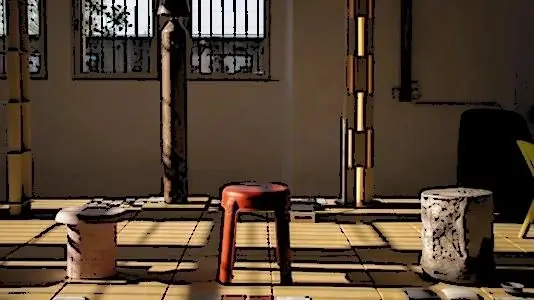
In recent years, as the home and interiors industry faces mounting pressure to embrace sustainability, more designers and manufacturers are turning to “non-typical materials.”
In recent years, as the home and interiors industry faces mounting pressure to embrace sustainability, more designers and manufacturers are turning to “non-typical materials.” Their goal: to create products that can be reused, biodegrade, or even regenerate, bringing furniture and household goods into a true circular lifecycle.
重點摘要
Executive Summary / Lead近年來,隨著家居產業面臨永續壓力,越來越多設計師與製造商轉向「非典型材料」,試圖打造能夠重複使用、可分解甚至能再生的產品,讓家具與生活用品真正進入循環生命周期。從以菌絲體製成的椅子、素皮沙發,到以海藻紡織而成的布料,這些創新嘗試正悄然走進人們的生活。
In recent years, as the home and interiors industry faces mounting pressure to embrace sustainability, more designers and manufacturers are turning to “non-typical materials.” Their goal: to create products that can be reused, biodegrade, or even regenerate, bringing furniture and household goods into a true circular lifecycle. From mycelium chairs and vegan-leather sofas to fabrics woven from seaweed, these experimental ideas are quietly entering everyday life.
企業與產業背景
Company & Industry Context根據顧問公司麥肯錫(McKinsey & Company)預測,到 2030 年,循環家居與生活市場規模可達 450 億歐元(約 510 億美元),主要由永續材料製成的家具與家用品推動。
舊料新生:設計週上的實驗精神
在今年的米蘭設計週上,循環再利用與材料創新成為焦點。總部位於紐約與洛杉磯的設計公司 Particle 推出「Parts of a Whole」系列,利用回收的紡織品與牛仔布打造包浩斯風格的餐廳家具,甚至將回收運動鞋鞋底製成橡膠配件與燭台。
According to McKinsey & Company, the circular home and lifestyle market could reach €45 billion (about USD 51 billion) by 2030, largely driven by furniture and household products made from sustainable materials.
New Life for Old Materials: The Spirit of Design Week
At this year’s Milan Design Week, circularity and material innovation took center stage. New York and Los Angeles-based studio Particle presented Parts of a Whole, a Bauhaus-inspired furniture series made from recycled textiles and denim, with rubber accessories and candleholders crafted from old sneaker soles.
挑戰與重要性
Challenge / Why It MattersParticle 由兩位建築師 Krissy Harbert 與 Amanda Rawlings 創立,她們曾在 Nike 設計部門探索工業廢料的再利用。Rawlings 表示:「橡膠、塑膠與回收紡織品有巨大的潛力,它們能被賦予更多可能性,讓材料生命延續,也成為人們願意擁有的家居作品。」
Founded by architects Krissy Harbert and Amanda Rawlings, both formerly of Nike’s design team, Particle was born out of experiments in reusing industrial waste. “Rubber, plastics, and recycled textiles hold enormous potential,” says Rawlings. “They can be given new life and become pieces of furniture people actually want in their homes.”
行動、方案與執行
Action / Solution / Implementation在米蘭,跨領域設計師 Davide Balda 則與 Benetton 集團合作,將未售出的環保布料轉化為建築與設計新材料,例如混合黏土與紡織廢料製成自然瓷磚與灰泥,或透過傳統氈工藝製作靈活耐用的纖維布料。Balda 強調,這不僅是設計實驗,更是一種責任:「設計師不能只是做漂亮的燈,而是要挑戰系統、重新思考材料,並提出可規模化的解決方案。」
回收塑膠與植物材料的潛力
荷蘭鹿特丹設計事務所 The New Raw 發表一系列完全由本地回收塑膠 3D 列印而成的戶外家具。共同創辦人 Foteini Setaki 表示:「在拋棄式世界中,我們思考如何創造真正持久的物件。美感與永續必須並行,產品要既能反映價值觀,也能吸引人。」
波蘭工作室 Husarska 則展示與「The True Green」合作開發的麻纖維餐桌椅。大麻每公頃可吸收 15 至 25 公噸二氧化碳,遠高於溫帶森林平均的 2 至 5 公噸,被視為木材的永續替代品。
Elsewhere in Milan, multidisciplinary designer Davide Balda collaborated with the Benetton Group to transform unsold eco-fabrics into new architectural and design materials. These include clay blended with textile waste to form natural tiles and plasters, as well as durable textiles crafted using traditional felting techniques. For Balda, the mission is clear: “Designers can’t just make pretty lamps. We have to challenge systems, rethink materials, and develop solutions that can scale.”
The Potential of Recycled Plastics and Plant-Based Materials
Rotterdam-based studio The New Raw unveiled a line of outdoor furniture 3D-printed entirely from locally recycled plastics. “In a throwaway world, we ask ourselves how to create objects that truly last,” says co-founder Foteini Setaki. “Sustainability and beauty must go hand in hand.”
In Poland, Husarska Design Studio collaborated with The True Green to launch dining chairs and tables made from hemp fibers. With each hectare absorbing 15–25 tons of CO₂ - far higher than the 2–5 tons absorbed by temperate forests - hemp is being positioned as a sustainable alternative to timber.
證據、成果與影響
Evidence / Results / Impact美國 Rockwell Group 則在展覽「Casa Cork」中,讓不起眼的 軟木 成為主角,打造幾乎全由軟木構成的室內空間與家具。Rockwell 指出:「軟木不炫目,但蘊含巨大潛力。我們希望將它重新定義,讓人們驚喜於它的美與功能。」軟木每九年即可再生,並能吸收二氧化碳,加上全球每年約有 130 億個軟木塞被丟棄,為循環設計提供龐大資源。
從被忽視的材料到設計新語言
義大利設計平台 DesignWanted 的展覽「Enhance」則挑戰傳統價值觀,展示由貝殼、風倒木與未回收玻璃製成的設計作品,既具視覺衝擊,也反映聯合國永續發展目標(SDGs)。策展人 Juan Torres 指出:「新材料正在重塑設計的意義。設計是一種責任工具,特別是面向下一代。」
Meanwhile, New York’s Rockwell Group showcased Casa Cork, an exhibition that elevated cork into the spotlight. Featuring interiors and furniture made almost entirely from cork, the project aimed to reframe the material’s potential. “Cork isn’t flashy, but it carries immense value,” Rockwell noted. “We want people to be surprised by its beauty and functionality.” As cork regenerates every nine years and absorbs carbon dioxide, combined with the 13 billion cork stoppers discarded globally each year, it offers vast opportunities for circular design.
From Overlooked Materials to a New Design Language
Italian platform DesignWanted presented Enhance, an exhibition challenging conventional design values with works made from seashells, storm-felled wood, and unrecycled glass. The projects delivered striking visual impact while aligning with the UN Sustainable Development Goals (SDGs).
產業與制度意涵
Industry & Institutional Implications不過他也坦言,目前多數解方仍屬地方性、小規模應用,大型品牌行動仍然緩慢。但轉型趨勢已啟動,「改變正在自下而上發生,並逐漸加速。」
“New materials are reshaping the very meaning of design,” says curator Juan Torres. “Design is a tool of responsibility, especially for the next generation.” He admits, however, that many solutions remain local and small-scale, with larger brands slow to adapt. Yet the shift has begun: “Change is happening bottom-up, and it’s accelerating.”
SNN 編輯與揭露前證據基礎設施觀點
SNN Editorial / Pre-Disclosure Evidence Infrastructure Perspective循環家居的未來
The Future of Circular Homes
未來展望
Future Outlook從運動鞋廢料到軟木塞,從大麻纖維到海藻布料,這些看似謙卑的材料,正在被重新賦予價值與美學。隨著設計師與企業持續探索,循環材料不僅將改變人們的居住空間,也有望改寫整個設計產業的生態,為永續未來奠定基礎。
From sneaker soles to cork stoppers, from hemp fibers to seaweed textiles, humble materials are being reimagined with new value and aesthetics. As designers and companies continue to explore circular solutions, the home and lifestyle sector is not only set to transform living spaces but may also redefine the design industry itself - laying the foundation for a sustainable future.
來源、證據鏈與責任編輯
主題中心:企業與供應鏈
SNN.TW 原始刊登紀錄 ↗