
全球新聞
永續包裝新時代:從法規壓力到循環經濟轉型
隨著永續發展成為全球企業與消費者的共同目標,包裝產業也正經歷一場深刻變革。來自生物來源的「生質塑膠」以及各式創新替代材料,正迅速成為取代石化塑膠的可行方案,為未來包裝設計與功能帶來全新可能。
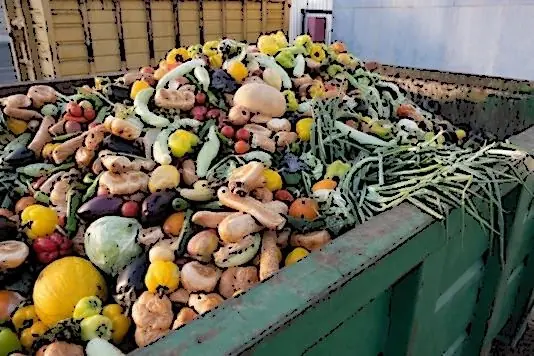
As sustainable development becomes a shared priority for global businesses and consumers, the packaging industry is undergoing a profound transformation
As sustainable development becomes a shared priority for global businesses and consumers, the packaging industry is undergoing a profound transformation. Bio-based plastics and a wide array of innovative alternative materials are rapidly emerging as viable replacements for petroleum-based plastics, opening up new possibilities for the design and function of future packaging.
重點摘要
Executive Summary / Lead隨著永續發展成為全球企業與消費者的共同目標,包裝產業也正經歷一場深刻變革。來自生物來源的「生質塑膠」以及各式創新替代材料,正迅速成為取代石化塑膠的可行方案,為未來包裝設計與功能帶來全新可能。
生質塑膠與替代包裝材料是什麼?
所謂生質塑膠,是指來自玉米澱粉、甘蔗、纖維素等可再生生物來源的塑膠材料。與傳統塑膠不同,生質塑膠可能具有可生物降解、可堆肥或單純「生物基」的特性,減少對石油資源的依賴,並降低碳足跡。然而值得注意的是,並非所有生質塑膠都能自然分解,有些仍須特定處理設施進行回收或堆肥。
As sustainable development becomes a shared priority for global businesses and consumers, the packaging industry is undergoing a profound transformation. Bio-based plastics and a wide array of innovative alternative materials are rapidly emerging as viable replacements for petroleum-based plastics, opening up new possibilities for the design and function of future packaging.
What Are Bio-Based Plastics and Alternative Packaging Materials?
Bio-based plastics are plastics derived from renewable biological sources such as corn starch, sugarcane, and cellulose. Unlike traditional fossil-based plastics, bio-based plastics may be biodegradable, compostable, or simply bio-derived - offering reduced reliance on petroleum and a smaller carbon footprint. However, it's important to note that not all bio-based plastics naturally degrade; some require industrial composting facilities or specialized recycling systems.
企業與產業背景
Company & Industry Context替代包裝材料的範疇更為廣泛,涵蓋了如真菌菌絲體、海藻薄膜、紙纖維複合材料,甚至可食用的包裝等創新選項。這些材料大多能夠自然分解,不殘留有害物質,在保護性、靈活性與環保性之間取得平衡。
Alternative packaging materials encompass a broader category, including mycelium (fungal root) structures, seaweed films, paper fiber composites, and even edible packaging. These materials are often naturally decomposable, non-toxic, and capable of balancing protection, flexibility, and sustainability.
挑戰與重要性
Challenge / Why It Matters這一趨勢的興起不僅回應了消費者對綠色產品的渴望,也呼應全球各國對一次性塑膠的嚴格限制,推動業界加快材料轉型腳步。
生質塑膠的優勢與挑戰
生質塑膠最大的吸引力在於其減碳潛力。由於其來自可再生資源,如玉米糖或甘蔗糖,其生產過程對氣候變遷的貢獻相對較低。例如常見的聚乳酸(PLA)就能在工業堆肥環境下分解,成為較環保的替代方案。
This shift not only responds to growing consumer demand for green products but also aligns with tightening global regulations on single-use plastics - accelerating the industry’s transition to sustainable materials.
The Benefits and Challenges of Bio-Based Plastics
The primary appeal of bio-based plastics lies in their carbon-reducing potential. Since they are made from renewable feedstocks like corn or sugarcane, their production typically has a lower climate impact. A notable example is polylactic acid (PLA), which can biodegrade in industrial composting settings, making it a more eco-friendly alternative.
In terms of functionality, bio-based plastics can now match conventional plastics in flexibility, transparency, and durability - making them suitable for a wide range of applications including food packaging and containers. Many are also compatible with existing manufacturing infrastructure, lowering barriers for industry adoption.
行動、方案與執行
Action / Solution / Implementation此外,生質塑膠在功能上已能媲美傳統塑膠,包括柔韌性、透明度與耐用性,適用於食品包裝、瓶罐容器等多元應用。它們也相容於現有製造技術,降低業界導入門檻。
但其挑戰亦不容忽視。許多生質塑膠需特定堆肥設施方能有效分解,若錯誤丟入回收系統,可能對回收流程造成污染。同時,大規模種植原料如玉米與甘蔗,也引發對土地使用、水資源消耗與糧食安全的疑慮。
價格亦是推廣障礙之一。目前生質塑膠成本普遍高於石化塑膠,對價格敏感的產業而言,導入速度可能較慢。然而,隨著技術進步與規模擴大,成本有望逐步降低。
新興替代材料為永續包裝注入新動能
除了生質塑膠,眾多創新型材料正快速改寫包裝產業格局。例如由真菌根系製成的「菌絲體包裝」,可用於保護性填充材料,具備完全堆肥與快速自然分解的優點。
海藻與藻類薄膜則是一種可再生、可食用且分解迅速的新型包裝選擇,特別適合食品產業應用。紙材複合材料則透過環保塗層提升防水與保鮮效果,進一步拓展應用場景。
However, several challenges remain. Many bio-based plastics require specific composting conditions to degrade effectively. If disposed of incorrectly - such as being mixed into traditional recycling streams - they may contaminate recycling processes. Additionally, scaling up the production of raw materials like corn and sugarcane raises concerns about land use, water consumption, and food security.
Cost is another hurdle - bio-based plastics generally remain more expensive than petroleum-based alternatives, slowing adoption in price-sensitive industries. Yet, with technological advancements and economies of scale, costs are expected to decline over time.
Emerging Alternatives Energize the Sustainable Packaging Movement
Beyond bio-based plastics, a wave of innovative materials is reshaping the packaging landscape. For instance, mycelium packaging - made from the root structures of fungi - serves as a protective filler and is fully compostable, breaking down quickly in natural environments.
Seaweed and algae-based films offer a renewable, edible, and rapidly decomposable option, particularly suited for food packaging. Paper composites, enhanced with eco-friendly coatings, improve water resistance and freshness retention, broadening their range of applications.
證據、成果與影響
Evidence / Results / Impact近年還出現以米、馬鈴薯澱粉或明膠等天然成分製成的可食包裝,尤其適用於一次性、小量消費用途,有助減少使用後的廢棄物量。
然而,這些替代材料仍需新的回收與處理基礎建設,且消費者對其使用與處置方式仍需教育與推廣。供應鏈上下游合作、從生產端到廢棄物管理的整合,將成為永續成效能否實現的關鍵。
未來展望:走向循環經濟與智慧包裝
在消費者偏好與法規持續推動下,生質塑膠與替代材料的角色只會愈加重要。技術創新預計將進一步提升其性能、可降解性與成本競爭力,使更多產業能夠導入永續包裝解決方案。
「循環經濟」概念正逐步整合進包裝設計,不僅追求材料永續,也納入可回收、可重複使用或可堆肥的全生命周期思維。同時,結合數位技術的智慧包裝也逐漸崛起,有助於追蹤包裝去向與促進回收效率。
New forms of edible packaging - made from natural ingredients like rice, potato starch, or gelatin - are also emerging. These are especially useful for single-use or small-portion items and help significantly reduce post-consumer waste.
However, these novel materials require new recycling and disposal infrastructure. Consumer education and awareness are also vital to ensure correct usage and disposal. Collaboration across the supply chain - from producers to waste management - is crucial for realizing meaningful sustainability outcomes.
Looking Ahead: Toward a Circular and Smart Packaging Future
With continued pressure from consumers and policymakers, the role of bio-based plastics and alternative materials will only grow. Innovations are expected to further improve their performance, degradability, and cost-effectiveness, enabling more industries to adopt sustainable packaging solutions.
The concept of a circular economy is becoming increasingly embedded in packaging design. This means not only choosing sustainable materials but also ensuring packaging is recyclable, reusable, or compostable, with consideration for its entire life cycle. At the same time, smart packaging technologies are on the rise, helping track product journeys and improve recycling efficiency through digital integration.
產業與制度意涵
Industry & Institutional Implications對企業而言,採用這類材料不僅有助於環境,也有助於品牌形象與市場競爭力的提升。隨著政策加碼限制一次性塑膠,投資替代材料與基礎設施的動能將進一步加強。
For businesses, adopting these materials can enhance both environmental impact and brand competitiveness. With tightening regulations on single-use plastics, the momentum for investment in alternative materials and supporting infrastructure is only set to grow.
SNN 編輯與揭露前證據基礎設施觀點
SNN Editorial / Pre-Disclosure Evidence Infrastructure Perspective儘管目前尚無單一材料可解決所有包裝需求,但透過材料創新、資源回收系統完善與消費者教育並進,整體產業轉型的機會正逐步成熟。
結語
While no single material can meet all packaging needs, a combination of material innovation, improved waste systems, and consumer education is paving the way for a broader industry transformation.
Conclusion
未來展望
Future Outlook生質塑膠與創新替代材料代表著通往永續包裝的關鍵路徑。這不僅是對環境的回應,更是對未來產業責任與創新能力的展現。在政策、市場與技術三方力量的推動下,包裝世界正逐步被重新定義,而我們也正站在這場綠色變革的起點。
Bio-based plastics and innovative alternatives represent key pathways to achieving sustainable packaging. This movement reflects not only environmental responsibility but also a deeper shift in industrial innovation and accountability. Driven by policy, market demand, and technological advancement, the world of packaging is being redefined - and we are standing at the threshold of a green revolution.
來源、證據鏈與責任編輯
主題中心:永續制度與揭露
SNN.TW 原始刊登紀錄 ↗