
永續學堂
從礦產出口到產業升級:非洲如何突破關鍵礦產困境?
隨著全球向清潔能源與去碳化(Decarbonization)轉型,對關鍵礦產(Critical Minerals)的需求正在迅速攀升,特別是鋰(Lithium),其市場需求近年來激增,成為推動電動車電池、儲能技術與可再生能源發展的關鍵材料。
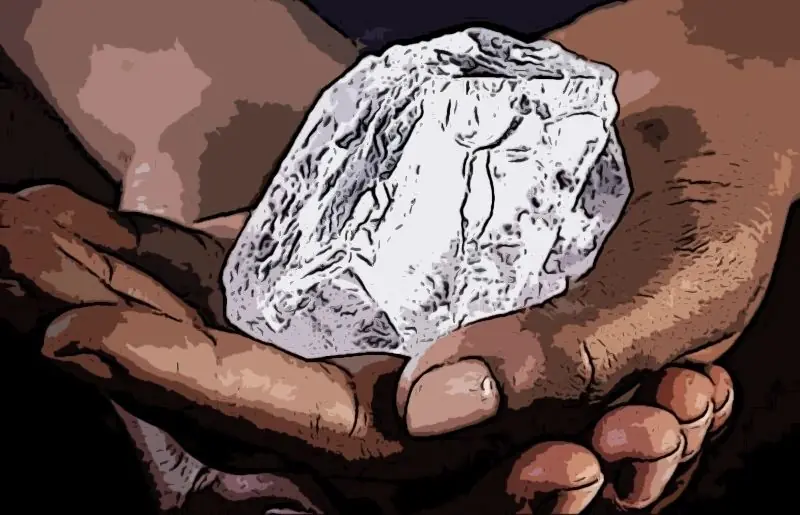
The Global Transition to Clean Energy and Decarbonization is Driving Soaring Demand for Critical Minerals
The Global Transition to Clean Energy and Decarbonization is Driving Soaring Demand for Critical Minerals
重點摘要
Executive Summary / Lead隨著全球向清潔能源與去碳化(Decarbonization) 轉型,對 關鍵礦產(Critical Minerals)的需求正在迅速攀升,特別是鋰(Lithium),其市場需求近年來激增,成為推動電動車電池、儲能技術與可再生能源發展的關鍵材料。
非洲擁有全球最豐富的關鍵礦產資源之一,吸引了大量 外國採礦企業 湧入投資,爭相開發資源。然而,專家指出,非洲國家目前尚未制定系統性的 關鍵礦產發展戰略 ,導致其在這場全球競爭中處於被動地位,未能充分確保本地經濟利益。
The Global Transition to Clean Energy and Decarbonization is Driving Soaring Demand for Critical Minerals
As the world shifts towards clean energy and decarbonization, the demand for critical minerals is rapidly increasing, particularly lithium, which has seen a surge in market demand in recent years. Lithium has become a key material driving electric vehicle (EV) batteries, energy storage technologies, and renewable energy development.
Africa possesses some of the world’s richest deposits of critical minerals, attracting a wave of foreign mining companies eager to invest and develop these resources. However, experts warn that African nations have yet to establish a systematic critical minerals development strategy, leaving them in a passive position in the global competition and failing to fully secure local economic benefits.
企業與產業背景
Company & Industry Context根據 國際能源署(IEA)最新發佈的《2023年關鍵礦產市場報告》 ,全球鋰需求在2017年至2022年間增長三倍,關鍵礦產市場總值達 3,200億美元 ,預計到2030年將 再翻一番 ,到2050年更可能增長 四倍 ,屆時年度市場收入將突破 4,000億美元 。
According to the International Energy Agency (IEA)’s 2023 Critical Minerals Market Report, global lithium demand tripled between 2017 and 2022, pushing the total market value of critical minerals to $320 billion. This figure is expected to double by 2030 and quadruple by 2050, when annual market revenues are projected to surpass $400 billion.
挑戰與重要性
Challenge / Why It Matters面對如此龐大的市場機遇,專家建議 非洲聯盟(AU)應加快制定區域關鍵礦產戰略 ,協助會員國在礦業談判與政策制定上掌握主導權,並完善本地採礦法規,以確保這波關鍵礦產熱潮能夠真正促進當地經濟發展,而非僅成為國際市場的資源供應地。
非洲成為全球鋰礦開發熱點 但產業發展仍存挑戰
根據研究,非洲目前共有 18個鋰礦項目 處於不同開發階段,從早期勘探到正式生產不等,主要分布於 納米比亞、辛巴威、剛果民主共和國(DRC)與加納 。
Facing such a massive market opportunity, experts suggest that the African Union (AU) should accelerate the development of a regional critical minerals strategy, helping member states take the lead in mining negotiations and policy-making while strengthening local mining regulations. This would ensure that the critical minerals boom benefits local economies rather than merely serving as a raw material supply source for the international market.
Africa Emerges as a Global Lithium Mining Hotspot, but Industry Challenges Remain
Research shows that Africa currently has 18 lithium mining projects at various stages of development, ranging from early exploration to full-scale production. These projects are mainly concentrated in Namibia, Zimbabwe, the Democratic Republic of the Congo (DRC), and Ghana.
行動、方案與執行
Action / Solution / Implementation然而,研究發現,當前對非洲關鍵礦產的討論主要集中在滿足 西方國家與中國的市場需求 ,而非關注 非洲自身的供應鏈建設與產業發展 ,導致這些國家在這場競爭中難以確保長遠利益。
鋰礦開採對當地的影響
與此同時,許多非洲國家的工業化程度較低,且現有基礎設施與政策尚無法有效應對鋰礦開採帶來的環境與社會影響,例如:
此外, 辛巴威、剛果民主共和國與納米比亞的鋰礦開發已出現貪腐與非法開採問題 ,加納雖仍處於早期發展階段,但也需要提前應對可能的法律與治理挑戰。
非洲應如何確保自身利益?
專家認為,非洲各國應儘快採取行動,以確保其關鍵礦產能夠為當地經濟創造最大價值,而不僅僅是供應國際市場的原材料:
1. 強化資源治理與透明度
🔹 建立完善的採礦監管與審查機 制,確保外資企業符合當地環保標準與社會責任要求,杜絕貪腐與非法採礦行為。
However, discussions on Africa’s critical minerals sector largely focus on meeting the needs of Western countries and China, rather than building local supply chains and industrial development. This dynamic puts African nations at a disadvantage in securing long-term economic benefits from their resources.
The Impact of Lithium Mining on Local Communities
Many African countries have low levels of industrialization and insufficient infrastructure and regulatory policies to effectively address the environmental and social impacts of lithium mining, such as:
Additionally, corruption and illegal mining activities have already surfaced in lithium mining operations in Zimbabwe, the DRC, and Namibia. Ghana, still in the early stages of lithium development, must proactively address potential governance and legal challenges.
How Can Africa Secure Its Own Interests?
Experts emphasize that African nations must take proactive steps to ensure that their critical mineral wealth generates maximum economic value for local communities, rather than serving merely as an export resource for global markets.
1. Strengthen Resource Governance and Transparency
🔹 Establish robust mining regulations and oversight mechanism s to ensure that foreign investors adhere to local environmental and corporate social responsibility standards, while preventing corruption and illegal mining.
證據、成果與影響
Evidence / Results / Impact🔹 推動數字化監 管,利用區塊鏈等技術追蹤礦產供應鏈,提高透明度,防止非法開採與走私。
2. 促進本地鋰礦加工與增值產業
🔹 目前,非洲鋰礦多 以原料形 式出口,缺乏本地加工產業鏈。專家建議,應鼓 勵發展本地鋰電池製造與礦產加工 業,提高產品附加值,創造更多就業機會。
🔹 政府應提 供政策與稅收優 惠,鼓勵外資企業在當地設立加工廠,而非僅出口未加工的礦石。
3. 建立非洲內部供應鏈合作機制
🔹 非洲各國應加強區域合 作,形成自主供應鏈,減少對單一市場(如中國或歐美)的依賴,確保資源利益最大化。
🔹 建立區域鋰電池產業聯 盟,共同研發新技術,提高產業競爭力,降低國際市場波動對當地經濟的影響。
4. 制定可持續採礦標準
🔹 採用先進 的綠色採礦技 術,減少環境破壞,例如:
🔹 Implement digital monitoring tool s, such as blockchain technology, to track mineral supply chains, enhance transparency, and curb smuggling.
2. Promote Local Lithium Processing and Value-Added Industries
🔹 Currently, most African lithium is exported in its raw for m, with little local processing. Experts recommend developing lithium battery manufacturing and refining industrie s to increase product value and create more local jobs.
🔹 Governments should offer policy incentives and tax benefit s to encourage foreign companies to establish processing facilities in Afric a instead of merely exporting unprocessed ore.
3. Establish Regional Supply Chain Cooperation
🔹 African nations should collaborate regionall y to develop an integrated supply chain, reducing dependency on single markets (such as China or the West) and maximizing resource benefits.
🔹 Form a regional lithium battery industry allianc e to foster joint technology development, enhance industrial competitiveness, and shield local economies from global market fluctuations.
4. Implement Sustainable Mining Standards
🔹 Adopt advanced green mining technologie s to reduce environmental impact, including:
產業與制度意涵
Industry & Institutional Implications✅ 回收技術 ,降低鋰礦採掘與加工過程中的資源浪費
✅ 推動可再生能源應用 ,減少採礦與冶煉過程中的碳排放
✅ 加強環境復育計畫 ,確保採礦結束後能夠恢復生態環境
5. 發展低碳產業鏈 讓非洲成為新能源技術樞紐
🔹 建立電動車與儲能電池製造基 地,不僅供應國際市場,也促進本地電動車產業發展。
✅ Recycling technologies to minimize resource wastage during lithium extraction and processing.
✅ Renewable energy integration to power mining and refining processes, reducing carbon emissions.
✅ Comprehensive ecological restoration programs to rehabilitate land post-mining.
5. Develop a Low-Carbon Industry Chain and Make Africa a Clean Energy Hub
🔹 Establish electric vehicle and energy storage battery manufacturing base s, supplying not only global markets but also driving domestic EV industry growth.
🔹 Encourage cross-border technological cooperatio n, attracting more renewable energy investments and fostering knowledge transfer and workforce development.
SNN 編輯與揭露前證據基礎設施觀點
SNN Editorial / Pre-Disclosure Evidence Infrastructure Perspective🔹 鼓勵跨國技術合 作,吸引更多新能源企業投資非洲,促進技術轉移與人才培養。
非洲能否主導關鍵礦產未來?
Can Africa Take Control of Its Critical Minerals Future?
As the world accelerates its transition to renewable energy, the demand for critical minerals will continue to grow. African nations must not remain just raw material suppliers but should actively shape market regulations, ensuring that local economies and communities truly benefit.
未來展望
Future Outlook隨著全球能源轉型的加速,關鍵礦產市場將持續擴大,非洲國家 不能僅作為資源出口地 ,而應主動塑造市場規則,確保當地經濟與人民真正受益。 如果能夠制定完善的政策與戰略,非洲將不僅是全球關鍵礦產的重要供應者,更能利用這一優勢推動產業升級,實現經濟多元化與可持續發展。
If African countries can implement comprehensive policies and strategies, they will not only become key suppliers of critical minerals but also leverage this advantage to drive industrial growth, economic diversification, and sustainable development.
來源、證據鏈與責任編輯
主題中心:氣候與能源轉型
SNN.TW 原始刊登紀錄 ↗