
永續學堂
建築材料全解析:環保、耐用與成本的完美平衡
隨著全球對環保與能源效率的關注不斷提升,建築材料的選擇不再僅僅取決於價格與外觀,而是更強調其可持續性、節能效果與耐用性。本文將深入剖析從隔熱材料、裝飾線條、外牆覆層到露台地板等關鍵建材的特性,幫助消費者在眾多選擇中做出最明智的決策。
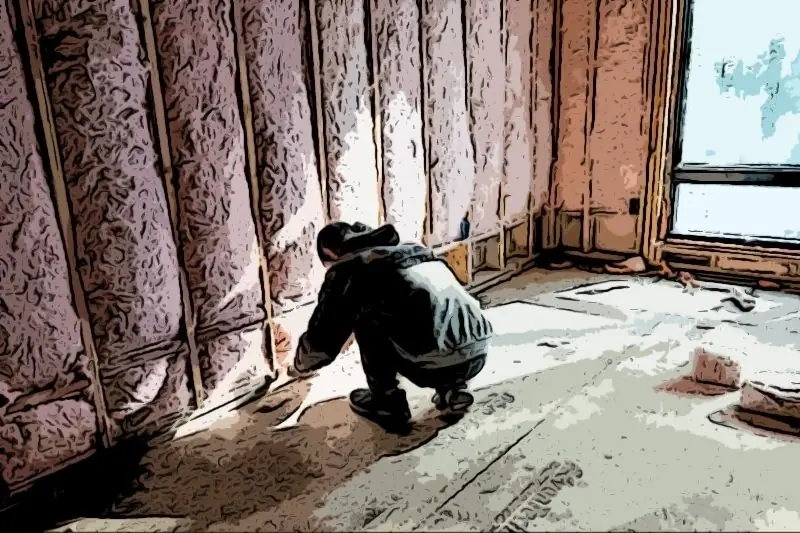
The selection of building materials is no longer solely based on price and aesthetics
As global awareness of environmental protection and energy efficiency continues to rise, the selection of building materials is no longer solely based on price and aesthetics. Instead, sustainability, energy efficiency, and durability have become key considerations.
重點摘要
Executive Summary / Lead隨著全球對環保與能源效率的關注不斷提升,建築材料的選擇不再僅僅取決於價格與外觀,而是更強調其可持續性、節能效果與耐用性。本文將深入剖析從隔熱材料、裝飾線條、外牆覆層到露台地板等關鍵建材的特性,幫助消費者在眾多選擇中做出最明智的決策。
As global awareness of environmental protection and energy efficiency continues to rise, the selection of building materials is no longer solely based on price and aesthetics. Instead, sustainability, energy efficiency, and durability have become key considerations. This article provides an in-depth analysis of essential building materials - from insulation and decorative trims to exterior cladding and decking - helping consumers make the smartest choices among a wide range of options.
企業與產業背景
Company & Industry Context隔熱材料對比:玻璃纖維 vs. 礦物棉
玻璃纖維隔熱材料:經典且經濟的選擇
玻璃纖維一直是建築界的標準隔熱材料。它由細小的玻璃纖維組成,能有效減少熱量流失,並且價格實惠,適用於大部分住宅建案。
✅ 優勢:
❌ 劣勢:
礦物棉隔熱材料:高效能與可持續性的結合
礦物棉是一種由**鋼鐵工業廢料(爐渣)**經高溫熔融後形成的纖維狀材料,屬於更環保的選擇。
Insulation Comparison: Fiberglass vs. Mineral Wool
Fiberglass Insulation: A Classic and Cost-Effective Choice
Fiberglass has long been a standard insulation material in the construction industry. Made from fine glass fibers, it effectively reduces heat loss and remains an affordable option for most residential projects.
挑戰與重要性
Challenge / Why It Matters✅ 優勢:
❌ 劣勢:
防潮層技術革新:智能防潮層 vs. 傳統 6 密耳聚乙烯膜
✅ 優勢:
相較之下,傳統6 密耳(6-mil)聚乙烯防潮膜只能單向阻擋濕氣,無法調節濕氣流動,因此在某些氣候條件下容易導致牆內結露。
裝飾線條:實木 vs. 指接木
實木裝飾線條:經典美感,但需考慮環保
實木線條具有天然紋理與溫潤質感,特別適合染色處理。若選擇此類材料,建議選擇FSC(森林管理委員會)認證的木材,以確保木材來自可持續來源。
✅ Advantages:
❌ Disadvantages:
Mineral Wool Insulation: High Performance with Sustainability
Mineral wool is made from industrial by-products (slag wool) that are melted at high temperatures to form fibrous insulation, making it a more eco-friendly option.
✅ Advantages:
❌ Disadvantages:
Vapor Barrier Innovation: Smart Vapor Retarders vs. Traditional 6-Mil Polyethylene Films
行動、方案與執行
Action / Solution / Implementation✅ 優勢:
❌ 劣勢:
指接木裝飾線條:更穩定、更環保的選擇
指接木(Finger Joint Trim)由小塊木材拼接而成,減少浪費,且穩定性優於實木,不易變形。
✅ 優勢:
❌ 劣勢:
外牆覆層對比:乙烯基 vs. 工程木 vs. 灰泥
乙烯基外牆(Vinyl Siding)
✅ 優勢:耐用、價格低廉、幾乎無生產廢料、可回收。
❌ 劣勢:顏色會隨時間褪色,破損後難以修補,若未回收將成為垃圾。
工程木外牆(Engineered Wood Siding)
✅ 優勢:美觀、可持續、耐用 30 年以上、利用廢木製造。
❌ 劣勢:價格較高、需精細施工以防止損壞。
灰泥外牆(Stucco Siding)
Smart Vapor Retarders, such as CertainTeed MemBrain, represent a new generation of building technology that adjusts permeability based on humidity conditions. These retarders prevent indoor moisture from penetrating the wall during winter while allowing trapped moisture to escape in summer, preventing mold growth.
✅ Advantages:
By contrast, traditional 6-mil polyethylene vapor barriers only block moisture in one direction, lacking the ability to adapt to changing humidity conditions, which may lead to condensation issues inside walls.
Decorative Trim: Solid Wood vs. Finger-Jointed Wood
Solid Wood Trim: Timeless Aesthetic but Environmental Considerations
Solid wood trim offers a natural grain and a warm, authentic texture, making it ideal for staining. When choosing this material, FSC-certified wood is recommended to ensure responsible sourcing.
✅ Advantages:
❌ Disadvantages:
證據、成果與影響
Evidence / Results / Impact✅ 優勢:耐用、具保溫效果、可回收。
❌ 劣勢:施工成本高、修補困難。
露台地板選擇:雪松 vs. 複合材料
雪松木地板
✅ 優勢: 天然可再生、防蟲防腐、可回收、易安裝。
❌ 劣勢: 需要定期保養,容易開裂。
複合材料地板
✅ 優勢: 耐久 20+ 年、低維護需求。
❌ 劣勢: 無法回收,價格較高,較重。
結論:如何選擇最適合的建材?
在建築材料的選擇上,沒有絕對的最佳選擇,只有最符合需求的選擇。
無論選擇哪種材料,可持續性與長遠效益才是決策的核心考量。
Finger-Jointed Wood Trim: More Stable and Eco-Friendly
Finger-jointed wood trim is composed of small wood pieces joined together, reducing material waste while offering greater stability than solid wood.
✅ Advantages:
❌ Disadvantages:
Exterior Cladding Comparison: Vinyl vs. Engineered Wood vs. Stucco
Vinyl Siding
✅ Advantages: Durable, cost-effective, minimal production waste, recyclable.
❌ Disadvantages: Fades over time, difficult to repair when damaged, becomes landfill waste if not recycled.
Engineered Wood Siding
✅ Advantages: Aesthetically pleasing, sustainable, lasts over 30 years, made from recycled wood.
❌ Disadvantages: Higher cost, requires careful installation to prevent damage.
Stucco Siding
產業與制度意涵
Industry & Institutional Implications隨著全球對環保與能源效率重視的提升,建築材料的選擇已經不止於價格與外觀,可持續性、節能效能與耐用性愈加地重要。思想顧問服務公司的賴昱瑋會計師提出他的看法,他表示歐美國家已廣泛推動低碳建材、智慧防潮技術與永續木材應用。
✅ Advantages: Highly durable, insulating properties, recyclable.
❌ Disadvantages: High installation cost, difficult to repair.
Decking Options: Cedar vs. Composite
Cedar Decking
✅ Advantages: Naturally renewable, resistant to insects and rot, recyclable, easy to install.
❌ Disadvantages: Requires regular maintenance, prone to cracking.
Composite Decking
SNN 編輯與揭露前證據基礎設施觀點
SNN Editorial / Pre-Disclosure Evidence Infrastructure Perspective例如在建築隔熱材料的選擇上,玻璃纖維仍然是市場主流,環保效能與耐久性較差,且受潮後影響建築物的能源效率。台灣面臨氣候條件與市場接受度的考驗。未來若能推動建築法規與補助計畫,將可提升建築的隔熱效果,進一步降低碳排放。
✅ Advantages: Lasts over 20 years, low maintenance.
❌ Disadvantages: Non-recyclable, higher cost, heavier than natural wood.
Conclusion: How to Choose the Right Building Materials
When it comes to building materials, there is no absolute best choice - only the most suitable one for your needs.
未來展望
Future Outlook從全球綠建築的發展趨勢來看,台灣若要趕上需從政策、產業與市場意識方面著手,全球ESG標準日益嚴格,台灣建築產業若不加速轉型,未來可能面臨國際市場競爭劣勢。如何透過永續建材改革,確保產業能夠在低碳經濟時代中保持競爭力,未來將會是台灣必須面對的重要課題。
Regardless of your choice, sustainability and long-term benefits should be the core considerations in your decision-making process.
來源、證據鏈與責任編輯
主題中心:氣候與能源轉型
SNN.TW 原始刊登紀錄 ↗