
永續學堂
創新材料革命:大理石廢料如何為室內氣候帶來突破性解決方案
隨著氣候變遷帶來的挑戰日益加劇,以及全球對環境可持續性需求的提升,瑞士聯邦理工學院(ETH Zürich)推出了一項突破性研究,成功開發出一種創新型吸濕建築材料,能有效降低室內濕度、提升空間舒適度,同時顯著減少對能源密集型通風系統的依賴。這項研究由可持續建築教授 Guillaume Habert 領導,通過結合循環經濟理念與3D打印技術,為室內氣候控制提供了一種更加環保的解決方案。
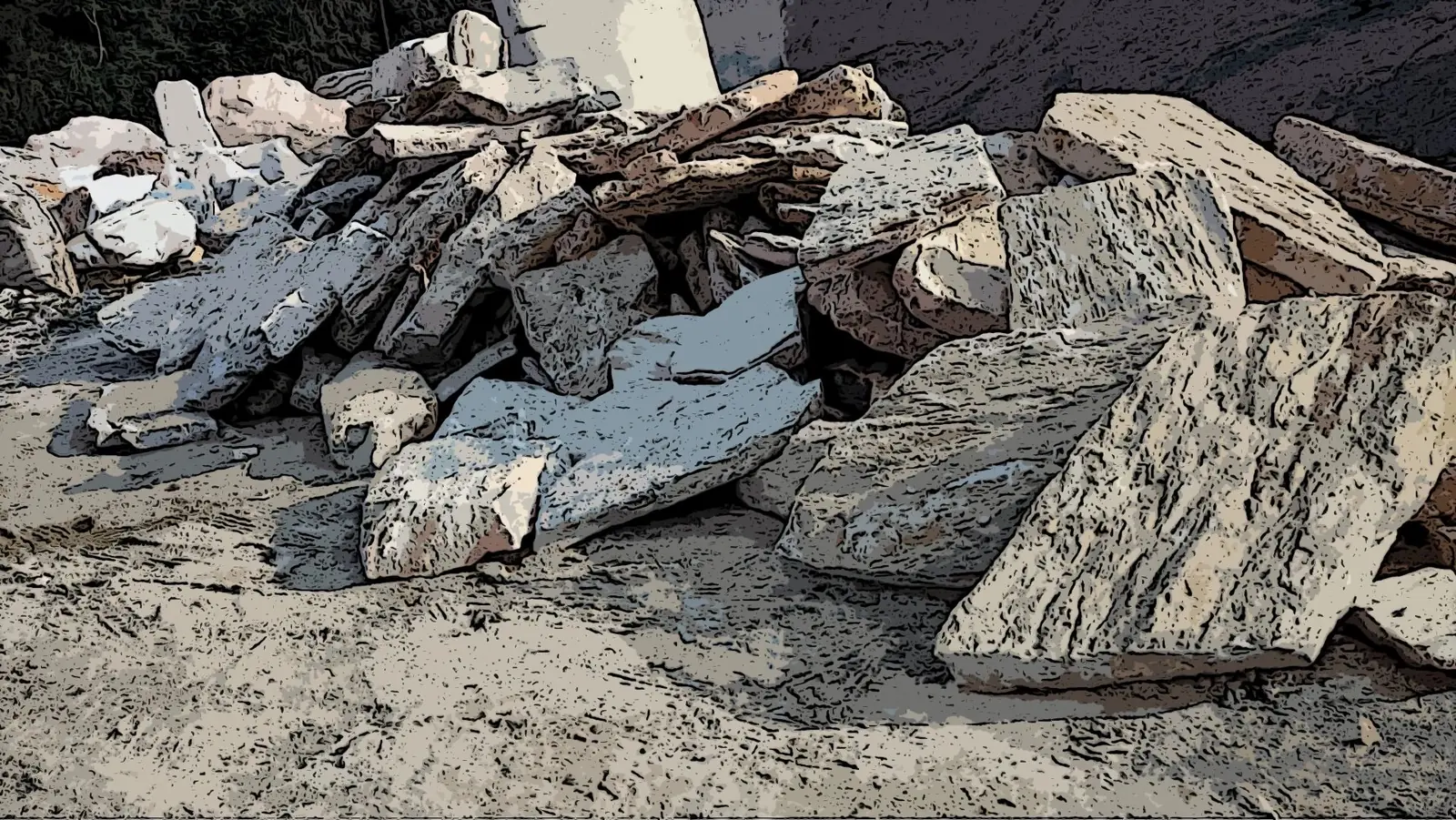
Innovative materials revolution: How marble waste brings breakthrough solutions to indoor climate
As the challenges posed by climate change intensify and the global demand for environmental sustainability increases, Swiss Federal Institute of Technology (ETH Zürich) has launched a breakthrough research and successfully developed an innovative hygroscopic building material that can effectively reduce indoor humidity and improve space comfort, while significantly reducing reliance on energy-intensive ventilation systems. The research, led by sustainable architecture professor Guillaume Habert, provides a greener solution for indoor climate control by combining circular economy concepts with 3D printing technology.
重點摘要
Executive Summary / Lead隨著氣候變遷帶來的挑戰日益加劇,以及全球對環境可持續性需求的提升,瑞士聯邦理工學院(ETH Zürich)推出了一項突破性研究,成功開發出一種創新型吸濕建築材料,能有效降低室內濕度、提升空間舒適度,同時顯著減少對能源密集型通風系統的依賴。這項研究由可持續建築教授 Guillaume Habert 領導,通過結合循環經濟理念與3D打印技術,為室內氣候控制提供了一種更加環保的解決方案。
As the challenges posed by climate change intensify and the global demand for environmental sustainability increases, Swiss Federal Institute of Technology (ETH Zürich) has launched a breakthrough research and successfully developed an innovative hygroscopic building material that can effectively reduce indoor humidity and improve space comfort, while significantly reducing reliance on energy-intensive ventilation systems. The research, led by sustainable architecture professor Guillaume Habert, provides a greener solution for indoor climate control by combining circular economy concepts with 3D printing technology.
企業與產業背景
Company & Industry Context應對高濕度挑戰:一種可持續的新選擇
在許多高人流量的公共空間,例如辦公樓的會議室、博物館的展覽廳以及政府機關的候客區,室內濕度會隨著人員活動的增加而迅速升高,導致空氣變得沉悶不適。傳統的機械通風系統雖然能有效除濕,但同時伴隨著高能耗問題,並且可能因電力來源而對氣候產生負面影響。
Meeting the challenge of high humidity: a new sustainable option
In many public spaces with high traffic volume, such as conference rooms in office buildings, exhibition halls in museums, and waiting areas in government agencies, indoor humidity will rise rapidly with the increase in people's activities, causing the air to become dull and uncomfortable. Traditional mechanical ventilation systems, while effective at dehumidifying, are associated with high energy consumption and may have a negative impact on the climate due to the power source.
挑戰與重要性
Challenge / Why It MattersETH Zürich 的研究團隊提出了一種「被動式除濕」的新方法。這種方法通過使用吸濕建材讓牆壁和天花板直接吸收並臨時儲存濕氣,而非依賴機械設備將濕氣排出室外。這些材料能夠將多餘濕氣存儲於內部,並在自然通風時緩慢釋放。Habert 教授表示:「這項技術特別適合於人流密集且現有通風系統不足的空間,能夠顯著改善室內空氣質量,提升使用者的舒適感。」
循環經濟理念:大理石廢料的創新應用
為了實現材料的環保特性,研究團隊採用循環經濟原則,利用大理石採石場產生的細碎廢料作為建材的主要成分。為將這些粉末轉化為吸濕能力強的牆壁與天花板構件,團隊開發了一種地質聚合物(Geopolymer)作為粘合劑。地質聚合物由高嶺土(瓷器製造的常用材料)和一種鹼性溶液(包含硅酸鉀和水)組成,這種混合物在激活高嶺土的同時,形成了可以黏結大理石粉末的高強度材料。
The research team at ETH Zürich has proposed a new method of "passive dehumidification". This approach uses hygroscopic building materials to allow walls and ceilings to directly absorb and temporarily store moisture, rather than relying on mechanical equipment to expel moisture to the outside. These materials store excess moisture inside and slowly release it when naturally ventilated. Professor Habert said: "This technology is particularly suitable for spaces with dense traffic and insufficient existing ventilation systems. It can significantly improve indoor air quality and enhance user comfort."
Circular economy concept: innovative applications of marble waste
In order to realize the environmentally friendly properties of the material, the research team adopted circular economy principles and used finely shredded waste produced in marble quarries as the main component of building materials. To convert these powders into moisture-absorbing wall and ceiling components, the team developed a geopolymer as a binder. The geopolymer consists of kaolin clay (commonly used in porcelain manufacturing) and an alkaline solution containing potassium silicate and water. The mixture activates the kaolin clay and creates a strong material that can bind the marble powder.
行動、方案與執行
Action / Solution / Implementation相較於傳統的水泥,地質聚合物的生產過程能大幅減少二氧化碳的排放,這使得整個建材的環保性能更加突出。研究團隊進一步採用3D打印技術製作建材原型,成功生產了一個尺寸為20×20厘米、厚4厘米的牆壁與天花板構件。該過程由數字建築技術教授 Benjamin Dillenburger 團隊負責。他解釋道:「我們採用黏合劑噴射技術(Binder Jet Printing),將大理石粉末一層層堆積,並用地質聚合物將其固化。這不僅提高了生產效率,還能製造出形狀多樣的建築構件,滿足建築設計的多樣需求。」
實驗與結果:吸濕材料的優越性能
這種創新建材的可行性已通過模擬測試得到了充分驗證。研究團隊選擇葡萄牙波爾圖的一間公共圖書館進行模擬,假設將一個容納15人的閱覽室內的牆壁和天花板完全覆蓋吸濕建材。結果顯示,室內相對濕度超出舒適範圍(40-60%)的頻率降低了75%。如果將建材厚度增加至5厘米,濕度過高導致的不適感指數進一步降低至85%。
Compared with traditional cement, the production process of geopolymers can significantly reduce carbon dioxide emissions, which makes the environmental performance of the entire building material more outstanding. The research team further used 3D printing technology to produce building material prototypes, successfully producing a wall and ceiling component measuring 20 × 20 cm and 4 cm thick. The process was led by the team of Benjamin Dillenburger, professor of digital construction technology. He explained: "We use binder jet printing technology to deposit marble powder layer by layer and solidify it with geopolymer. This not only improves production efficiency, but also produces building components with various shapes to meet the diverse needs of architectural design."
Experiments and Results: Superior Performance of Hygroscopic Materials
The feasibility of this innovative building material has been fully verified through simulation tests. The research team selected a public library in Porto, Portugal for simulation, assuming that the walls and ceiling of a reading room that accommodates 15 people are completely covered with hygroscopic building materials. The results showed that the frequency of indoor relative humidity exceeding the comfort range (40-60%) decreased by 75%. If the thickness of the building materials is increased to 5 cm, the discomfort index caused by excessive humidity is further reduced to 85%.
證據、成果與影響
Evidence / Results / Impact該研究由建築物理學家 Magda Posani 主導,她在ETH Zürich 完成了材料性能的深入研究,並模擬了不同情境下的使用效果。目前,Posani 已擔任芬蘭阿爾托大學教授,並繼續推進相關研究。
可持續性與環保優勢:與傳統方法的比較
研究結果表明,這種吸濕建材在整個30年的生命周期中,所產生的溫室氣體排放量遠低於傳統的機械通風系統。雖然歷史悠久的粘土灰泥在環保性方面表現更為突出,但其吸濕能力不及這種創新材料。ETH Zürich 的研究展示了地質聚合物與3D打印技術的結合,如何為建築行業帶來一種高效且環保的濕度控制解決方案。
The research was led by construction physicist Magda Posani, who completed in-depth studies of material properties at ETH Zürich and simulated the effects of use in different scenarios. Currently, Posani serves as a professor at Aalto University in Finland and continues to advance related research.
Sustainability and environmental benefits: comparison with traditional methods
The results show that this hygroscopic building material produces far lower greenhouse gas emissions than traditional mechanical ventilation systems over its entire 30-year life cycle. While time-honored clay stucco is more environmentally friendly, it doesn’t have the same moisture-absorbing capabilities as this innovative material. Research from ETH Zürich shows how the combination of geopolymers and 3D printing technology can bring an efficient and environmentally friendly humidity control solution to the construction industry.
產業與制度意涵
Industry & Institutional Implications未來展望:邁向淨零排放的目標
Looking ahead: Towards net-zero emissions
SNN 編輯與揭露前證據基礎設施觀點
SNN Editorial / Pre-Disclosure Evidence Infrastructure Perspective目前,該技術已完成概念驗證,並具備進一步產業化的潛力。ETH Zürich 與都靈理工大學及阿爾托大學正在合作,探索如何進一步降低建材的碳排放量,並開發具有更高效能的產品。Habert 教授強調:「如果瑞士要實現2050年淨零排放的目標,我們需要建造更多能在建設和使用過程中最大限度減少溫室氣體排放的建築。」這項研究無疑為建築行業提供了一條可持續發展的新路徑,也為公共空間的舒適與環保設計樹立了新標桿。
At present, this technology has completed proof of concept and has the potential for further industrialization. ETH Zürich is collaborating with Politecnico di Torino and Aalto University to explore how to further reduce the carbon footprint of building materials and develop products with higher efficiency. Professor Habert emphasized: "If Switzerland is to achieve its goal of net-zero emissions in 2050, we need to build more buildings that minimize greenhouse gas emissions during construction and use." This research undoubtedly provides a new path for sustainable development for the construction industry, and also sets a new benchmark for the comfort and environmentally friendly design of public spaces.
未來展望
Future Outlook隨著建築業持續向綠色轉型,ETH Zürich 的創新技術有望在全球範圍內推廣應用,助力構建更加健康、舒適且環保的室內環境。
As the construction industry continues to transform towards green, ETH Zürich's innovative technologies are expected to be promoted and applied globally to help create a healthier, more comfortable and environmentally friendly indoor environment.
來源、證據鏈與責任編輯
主題中心:氣候與能源轉型
SNN.TW 原始刊登紀錄 ↗