
全球脈動
新植物塑膠可海水秒降解
日本科學界再度掀起材料科技突破。由理化學研究所(RIKEN)新興物質科學中心(CEMS)研究員會田拓三(Takuzo Aida)領導的團隊,成功研發出一款全新植物基塑膠,採用木漿衍生物羧甲基纖維素(CMC)與安全交聯劑製成,具備高強度、可塑性佳,且能在自然環境中快速分解,包括海水中完全降解,不會留下任何微型塑膠殘留。研究成果已刊登於《美國化學學會期刊》(JACS),引發全球材料與環境領域的高度關注。
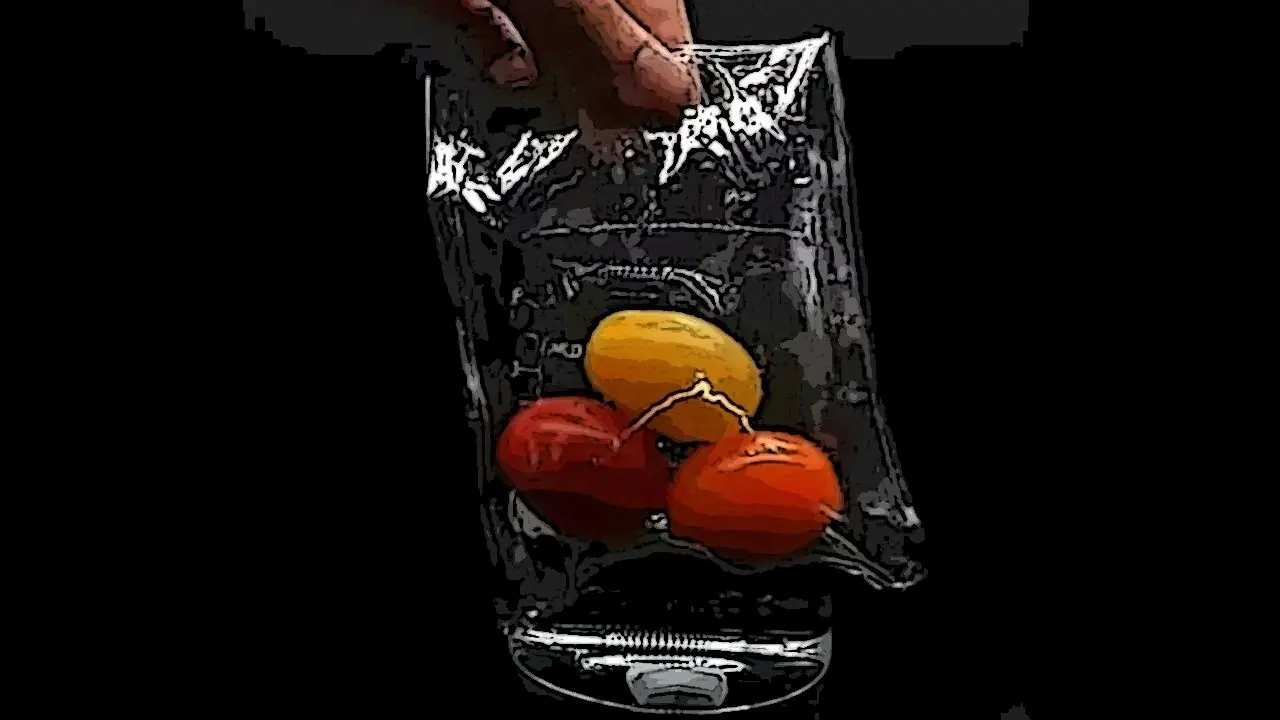
A research team in Japan has unveiled a new plant-based plastic that may redefine the future of sustainable materials
A research team in Japan has unveiled a new plant-based plastic that may redefine the future of sustainable materials. Led by Takuzo Aida at the Riken Center for Emergent Matter Science (CEMS), the scientists developed a novel material made from carboxymethyl cellulose (CMC) - a wood-pulp derivative - combined with a safe crosslinking agent.
重點摘要
Executive Summary / Lead日本科學界再度掀起材料科技突破。由理化學研究所(RIKEN)新興物質科學中心(CEMS)研究員會田拓三(Takuzo Aida)領導的團隊,成功研發出一款全新植物基塑膠,採用木漿衍生物羧甲基纖維素(CMC)與安全交聯劑製成,具備高強度、可塑性佳,且能在自然環境中快速分解,包括海水中完全降解,不會留下任何微型塑膠殘留。研究成果已刊登於《美國化學學會期刊》(JACS),引發全球材料與環境領域的高度關注。
A research team in Japan has unveiled a new plant-based plastic that may redefine the future of sustainable materials. Led by Takuzo Aida at the Riken Center for Emergent Matter Science (CEMS), the scientists developed a novel material made from carboxymethyl cellulose (CMC) - a wood-pulp
企業與產業背景
Company & Industry Context會田指出,地球每年自然產生約 1 兆噸纖維素,而團隊正是利用這種極為豐富的天然高分子,打造能在海洋中安全分解的新型塑膠材料,期望為全球塑膠汙染提供實質解方。
derivative - combined with a safe crosslinking agent. The resulting plastic is strong, flexible, and capable of decomposing rapidly in natural environments, including seawater, without leaving behind microplastics. The findings were published in the Journal of the American Chemical Society.
挑戰與重要性
Challenge / Why It Matters微塑膠危機已逐步成為全球性災難。
直徑小於 5 毫米的微塑膠已廣泛滲入海洋、土壤、生態系甚至人體組織。
Aida noted that nature produces roughly one trillion tons of cellulose annually, providing an abundant resource for creating materials that can safely break down in marine ecosystems. By leveraging this naturally available polymer, the team aims to offer a practical solution to plastic pollution, particularly the global surge of microplastics contaminating oceans, soils, wildlife, and humans.
行動、方案與執行
Action / Solution / Implementation市面上許多「可生物分解塑膠」因在海水中降解能力不足,反使問題加劇,並在生物體與食物鏈中累積。
此次研究的突破在於兼具「真正海水可分解」與「高強度」兩項特性,使其被視為替代石化塑膠的關鍵候選材料。
Microplastics - defined as plastic particles smaller than five millimeters - have become a pervasive pollutant. Many so-called biodegradable plastics fail to decompose in marine environments, leading to further ecological accumulation and health risks. The new material stands out because it combines rapid seawater degradation with the durability and mechanical performance typically associated with petroleum-based plastics.
證據、成果與影響
Evidence / Results / Impact研究團隊延續去年開發的「超分子鹽水可溶塑膠」概念,並克服當時材料不易大規模製造的缺點,成功推出更實用的新型材料 CMC Supramolecular Plastic(CMCSP)。這種材料以 FDA 認可的可分解成分打造,可形成以「鹽橋」維繫的可逆交聯網絡,當材料進入海水後,正電荷聚乙烯亞胺胍離子(PEI-Gu)與 CMC 的結合會自然解離,使塑膠安全分解而不留殘渣。
Building on their previous work, the researchers enhanced an earlier supramolecular seawater-soluble plastic by addressing scalability and material performance. The new carboxymethyl cellulose supramolecular plastic (CMCSP) uses only FDA-approved biodegradable ingredients. It forms a reversible cross-linked network held together by “salt bridges” created through interactions between CMC and positively charged polyethylene-imine guanidinium ions. These bonds naturally disassemble in salt water, enabling the plastic to break down safely.
產業與制度意涵
Industry & Institutional Implications為解決材料早期脆性問題,研究團隊加入 FDA 認證的食品添加物氯化膽鹼(choline chloride)作為塑化劑,使材料擁有彈性可調的機械性能,可從玻璃般硬質到橡膠般延展性,形成具高度應用彈性的材料族群。
To resolve early brittleness, the team incorporated choline chloride - an FDA-approved food additive - as a plasticizer. This adjustment allowed precise tuning of the material’s mechanical properties, creating textures that range from rigid and glass-like to elastic and stretchable.
SNN 編輯與揭露前證據基礎設施觀點
SNN Editorial / Pre-Disclosure Evidence Infrastructure PerspectiveCMCSP 可加工成僅 0.07 毫米的透明薄膜,具有與傳統塑膠相當的強度,同時保有可加工性、透明度與可回收性。由於原料廉價、來源廣泛且具可擴大生產潛力,此技術被視為最具商業化前景的生物基塑膠創新之一,具備跨產業應用可能,包括食品包裝、醫療器材、消費性產品到一次性用品等。
CMCSP can be manufactured into thin transparent films as strong as conventional plastics, with a thickness of only 0.07 millimeters. It retains transparency, processability, and recyclability, expanding its potential uses across packaging, medical devices, consumer goods, and disposable products. Because the raw materials are inexpensive and widely available, the technology offers strong commercial potential and scalability.
未來展望
Future Outlook在全球面臨塑膠汙染與微塑膠危機的背景下,該技術填補了生物基塑膠長期在耐用性、成本與海洋降解性之間難以兼得的空缺。若能成功推廣至產業端,CMCSP 有望成為各國在塑膠減量政策、海洋保育策略以及永續材料創新中的重要工具。
As countries strengthen policies to reduce plastic waste and combat marine pollution, this innovation fills a long-standing gap in the market: a material that is both durable and genuinely marine-degradable. If industry adoption progresses, CMCSP could become a key tool within national plastic-reduction strategies, ocean-protection initiatives, and the broader transition toward sustainable materials.
來源、證據鏈與責任編輯
主題中心:企業與供應鏈
SNN.TW 原始刊登紀錄 ↗