
全球脈動
木質素變主角,材料業低碳突圍
當全球對石化塑膠的依賴日益被碳排放與環境污染問題推上風口浪尖,材料科學家正在森林中尋找解方。瑞典博羅斯大學(University of Borås)一項最新研究顯示,長期被視為紙漿業「副產物」的木質素(lignin),正逐步被轉化為新世代的生質複合材料,有潛力成為塑膠替代品,為高耗能材料產業帶來循環經濟的轉機。
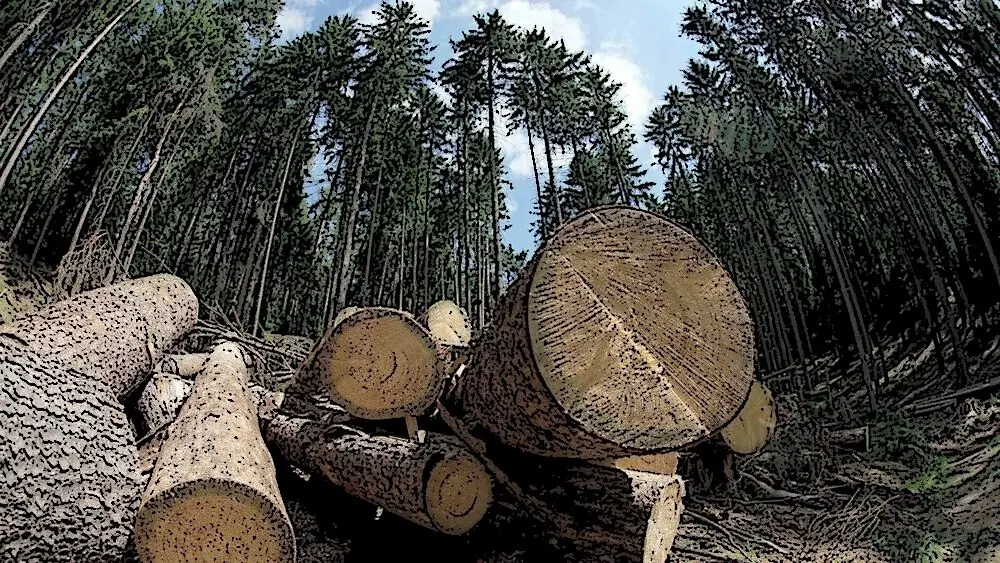
Materials scientists are turning to forests for answers
As global reliance on fossil-based plastics increasingly comes under scrutiny due to carbon emissions and environmental pollution, materials scientists are turning to forests for answers. A recent study from the University of Borås in Sweden reveals that lignin - long considered a byproduct of the pulp and paper industry - is now being transformed into a new generation of bio-based composite materials.
重點摘要
Executive Summary / Lead當全球對石化塑膠的依賴日益被碳排放與環境污染問題推上風口浪尖,材料科學家正在森林中尋找解方。瑞典博羅斯大學(University of Borås)一項最新研究顯示,長期被視為紙漿業「副產物」的木質素(lignin),正逐步被轉化為新世代的生質複合材料,有潛力成為塑膠替代品,為高耗能材料產業帶來循環經濟的轉機。
As global reliance on fossil-based plastics increasingly comes under scrutiny due to carbon emissions and environmental pollution, materials scientists are turning to forests for answers. A recent study from the University of Borås in Sweden reveals that lignin - long considered a byproduct of the pulp and paper industry - is now being transformed into a new generation of bio-based composite materials. With promising potential as a plastic alternative, lignin could drive a circular economy transition in the traditionally high-emission materials sector.
企業與產業背景
Company & Industry Context副產物到主角:木質素的材料轉化潛力
From Byproduct to Key Player: The Transformative Potential of Lignin
挑戰與重要性
Challenge / Why It Matters木質素是構成植物細胞壁的主要成分之一,廣泛存在於木材與農業廢棄物中。由於其高含碳量與天然芳香環結構,學界長期關注其作為生質材料基礎的潛力。此次博羅斯大學的研究聚焦於如何透過化學改質技術,提升木質素與聚合物的相容性,進而製成具備機械強度與熱穩定性的纖維增強複合材料。
Lignin is one of the main components of plant cell walls, abundantly found in wood and agricultural residues. Due to its high carbon content and natural aromatic ring structure, it has long attracted interest as a building block for bio-based materials. The University of Borås study focuses on enhancing the compatibility of lignin with polymers through chemical modification techniques, enabling its use in fiber-reinforced composite materials with mechanical strength and thermal stability.
Dr. Matilda Johansson, a polymer science researcher leading the study, explains that surface modification of lignin using acetic anhydride and microwave technology significantly improves its bonding capacity with biodegradable polymers such as polylactic acid (PLA). The modified lignin can then be combined with regenerated cellulose fibers to enhance mechanical properties. These composites can be processed using extrusion, 3D printing, and compression molding, offering both practicality and new possibilities for plastic manufacturing technologies.
行動、方案與執行
Action / Solution / Implementation研究主導人、聚合物科技博士Matilda Johansson指出,透過醋酸酐與微波技術對木質素進行表面改質,可有效促進其與聚乳酸(PLA)等生物可分解聚合物的鍵結能力,進一步結合再生纖維素纖維以增強機械性質。此種複合材料可透過擠出、3D列印與壓縮成型等工藝製作,不僅具實用性,也為塑膠成型技術帶來更多可能。
塑膠替代品的三重優勢:減碳、輕量、資源效率
從產業面觀察,這項技術發展為塑膠材料供應鏈帶來三重關鍵優勢:
Johansson進一步指出,全球塑膠回收率偏低,大量材料長期累積於自然環境中造成破壞。若能推動從源頭使用對環境負擔較小的材料,將有助於解決塑膠污染與資源枯竭雙重挑戰。
Triple Advantage of Plastic Alternatives: Decarbonization, Lightweighting, and Resource Efficiency
From an industrial perspective, this development offers three key advantages for the plastics value chain:
Johansson also noted that global plastic recycling rates remain low, with large volumes of waste persisting in the environment for extended periods. Replacing traditional plastics at the source with lower-impact materials could address the twin challenges of plastic pollution and resource depletion.
證據、成果與影響
Evidence / Results / Impact從實驗室到市場:產業化路徑與挑戰
儘管技術潛力龐大,從學術研究邁向商業化仍需克服幾個產業瓶頸。首先是原料來源穩定性的確保——木質素的來源分散,需整合森林、紙漿與農業廢棄物供應鏈;其次為製程效率與成本控制,尤其在微波處理與改質化學劑的環境與經濟效益評估上仍需大量資料支持。
From Lab to Market: Commercial Pathways and Industry Challenges
Despite its promise, transitioning from lab-scale research to commercial application presents several challenges. First is ensuring a stable supply of raw materials - lignin sources are scattered across forestry, pulp, and agricultural sectors, requiring integrated supply chains. Another key issue is process efficiency and cost management, especially when evaluating the environmental and economic performance of microwave treatment and chemical modifiers.
產業與制度意涵
Industry & Institutional Implications產業界方面,已有部分歐洲與北美材料公司開始布局木質素應用於工程塑膠與纖維強化複合材料領域,尤其在汽車內裝、消費電子與包裝材料的永續轉型上具高潛力。
On the industry side, some European and North American materials companies have already started investing in lignin-based applications for engineering plastics and fiber-reinforced composites, with high potential in sustainable transitions for automotive interiors, consumer electronics, and packaging materials.
SNN 編輯與揭露前證據基礎設施觀點
SNN Editorial / Pre-Disclosure Evidence Infrastructure Perspective小結:森林系材料的低碳轉機
Conclusion: A Low-Carbon Opportunity Rooted in Forests
未來展望
Future Outlook木質素的成功轉化,不僅讓森林副產物翻身成為綠色材料主角,更為重碳材料產業提供一條務實的低碳出路。這場來自森林的「材料革命」,或許將成為循環經濟與碳中和戰略的關鍵一環。
The successful transformation of lignin not only elevates forest byproducts to the status of green material frontrunners but also offers a realistic decarbonization pathway for carbon-intensive industries. This “materials revolution” from the forest could become a vital component in achieving circular economy goals and net-zero carbon strategies.
來源、證據鏈與責任編輯
主題中心:氣候與能源轉型
SNN.TW 原始刊登紀錄 ↗