
永續學堂
日本擬2035年達百萬噸藍碳吸碳量
面對2050年實現淨零排放的國家目標,日本政府正積極探索新的自然碳捕捉策略,並計劃啟動一項針對「藍碳」(Blue Carbon)的大型研究計畫,深入調查如何藉由沿岸海洋植物封存大氣中的二氧化碳(CO₂)。根據政府近日透露的消息,這項研究將與國內外研究機構、企業攜手合作,針對海藻、紅樹林等具碳吸收能力的植物進行系統性實驗,並評估其長期封碳效果及生態風險。
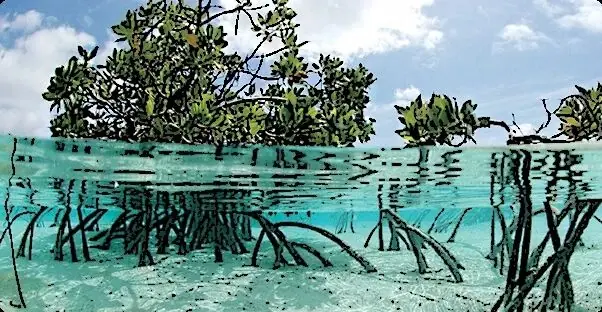
The Japanese government is ramping up efforts to explore new natural carbon removal strategies
In pursuit of its 2050 net-zero emissions target, the Japanese government is ramping up efforts to explore new natural carbon removal strategies, with plans to launch a large-scale research program focused on blue carbon - the process of capturing atmospheric CO₂ through coastal marine vegetation. According to recent government announcements, the initiative will involve collaboration with domestic and international research institutions and corporations, conducting systematic experiments on carbon-sequestering plants such as seaweeds and mangroves, and evaluating their long-term carbon storage potential and ecological risks.
重點摘要
Executive Summary / Lead面對2050年實現淨零排放的國家目標,日本政府正積極探索新的自然碳捕捉策略,並計劃啟動一項針對「藍碳」(Blue Carbon)的大型研究計畫,深入調查如何藉由沿岸海洋植物封存大氣中的二氧化碳(CO₂)。根據政府近日透露的消息,這項研究將與國內外研究機構、企業攜手合作,針對海藻、紅樹林等具碳吸收能力的植物進行系統性實驗,並評估其長期封碳效果及生態風險。
In pursuit of its 2050 net-zero emissions target, the Japanese government is ramping up efforts to explore new natural carbon removal strategies, with plans to launch a large-scale research program focused on blue carbon - the process of capturing atmospheric CO₂ through coastal marine vegetation. According to recent government announcements, the initiative will involve collaboration with domestic and international research institutions and corporations, conducting systematic experiments on carbon-sequestering plants such as seaweeds and mangroves, and evaluating their long-term carbon storage potential and ecological risks.
企業與產業背景
Company & Industry Context自然碳匯策略升級:藍碳成為森林以外新解方
目前日本的碳吸收主要仰賴森林碳匯,但由於人工林普遍面臨老化、病蟲害與管理不足等問題,碳吸收效率逐年下降。環境省指出,即使林地面積維持穩定,若樹木進入老齡化階段,碳吸收將趨於飽和。加上日本山區地勢陡峭,林業機械化難度高,碳匯功能進一步受到限制。
Natural Carbon Sink Upgrade: Blue Carbon Emerges as a New Complement to Forests
Japan’s current carbon absorption strategies rely heavily on forests, but these have become less effective due to the aging of artificial forests, pest outbreaks, and insufficient management. The Ministry of the Environment notes that even if forested areas remain stable, older trees tend to reach a saturation point in their carbon uptake. Moreover, Japan’s mountainous terrain poses challenges for mechanized forestry, further limiting forest-based carbon sinks.
挑戰與重要性
Challenge / Why It Matters在此背景下,政府轉而聚焦於「藍碳」潛力。所謂藍碳,是指海洋生態系統如紅樹林、鹽沼、海草與大型海藻等在光合作用過程中吸收並封存CO₂的能力。相較陸地植物,海洋植物生長快速、生物量高,且能將碳以有機沉積物形式長期儲存在海床底層,形成穩定的碳庫。
Given these constraints, the government is turning its attention to the potential of blue carbon. Blue carbon refers to the ability of marine ecosystems - such as mangroves, salt marshes, seagrasses, and large seaweeds - to absorb and store CO₂ through photosynthesis. Compared to terrestrial plants, marine vegetation grows rapidly, has high biomass, and can store carbon for long periods in the form of organic sediments on the seafloor, creating more stable carbon sinks.
行動、方案與執行
Action / Solution / Implementation研究指出,1公頃紅樹林每年可吸收高達10公噸的二氧化碳,而部分海藻田甚至有潛力超越此數據。這也使得藍碳在近年成為國際間發展碳移除策略的重要選項之一。
深海封碳成技術挑戰 海藻沉降效應成關鍵研究重點
根據環境省規劃,研究將聚焦於「海藻沉降法」(Sinking Seaweed Method),即透過人工手段將大規模養殖的海藻移送至深海沉積區域,使其中所固定的碳不再返回大氣。研究團隊將評估海藻在不同深度、溫度與海流條件下的分解速率、碳封存年限以及對周邊生態系的影響,例如可能改變海底生物組成或引發氧氣消耗等潛在風險。
同時,研究亦將探討人工種植紅樹林與保育自然沿岸濕地的碳效益,並對不同藍碳棲地進行碳吸收量化與監測技術開發。
Studies have shown that one hectare of mangroves can absorb up to 10 metric tons of CO₂ annually, and some seaweed farms may exceed this figure. This has made blue carbon an increasingly attractive option in global carbon removal strategies.
Sinking Seaweed and Deep-Sea Storage: Technical Hurdles Ahead
The Ministry of the Environment plans to focus research on the "sinking seaweed method", which involves artificially transporting large-scale cultivated seaweed to deep-sea sediment zones, where the sequestered carbon is expected to remain trapped and not return to the atmosphere. Researchers will study decomposition rates, carbon storage duration, and the impact on surrounding ecosystems under different depths, temperatures, and ocean currents. Potential ecological risks, such as changes in benthic biodiversity or oxygen depletion, will also be investigated.
The study will also explore the carbon benefits of artificial mangrove plantations and coastal wetland conservation, while developing methods for quantifying and monitoring carbon uptake across blue carbon habitats.
證據、成果與影響
Evidence / Results / Impact政策目標明確:2035年封存百萬噸、2045年達兩百萬噸
日本政府已設定具體目標,希望2035年藍碳每年吸收量可達100萬噸CO₂,並於2045年倍增至200萬噸。根據統計,2023年藍碳系統僅吸收約34公噸碳排,顯示其潛力仍有龐大開發空間。政府預計將透過沿岸海藻田擴建、保護紅樹林與鹽沼棲地、促進海洋碳匯碳權制度設計等方式,提升整體碳移除能力。
此外,國土交通省也計畫結合藍碳策略與海岸防災工程,例如將紅樹林列為「自然型防波堤」,同時實現碳封存與颱風海浪防護雙重目標。
Policy Targets: 1 Million Tons by 2035, 2 Million by 2045
Japan has set clear targets for blue carbon: by 2035, it aims to sequester 1 million tons of CO₂ annually, increasing to 2 million tons by 2045. As of 2023, blue carbon ecosystems in Japan absorbed only around 34 tons of CO₂, highlighting their vast untapped potential. The government plans to boost carbon removal through expansion of seaweed farms, protection of mangroves and salt marshes, and development of carbon credit systems for marine carbon sinks.
The Ministry of Land, Infrastructure, Transport and Tourism is also considering integrating blue carbon with coastal disaster prevention, such as using mangroves as “natural breakwaters” to serve the dual purpose of carbon sequestration and storm surge protection.
International Trends and Carbon Market Potential: Blue Carbon as a New Credit Class
產業與制度意涵
Industry & Institutional Implications國際趨勢與碳市場潛力:藍碳或成新興碳權標的
不僅日本,包括澳洲、印尼、阿聯酋與歐盟等多國已展開藍碳策略,並嘗試將藍碳納入自願性碳市場(VCM)或國家貢獻(NDC)計算。例如阿布達比近年積極投資紅樹林復育,並開發藍碳碳權交易平台。
Japan’s blue carbon efforts mirror global trends, with countries such as Australia, Indonesia, the UAE, and the EU launching similar initiatives and exploring the inclusion of blue carbon in voluntary carbon markets (VCM) or nationally determined contributions (NDCs). For instance, Abu Dhabi has made significant investments in mangrove restoration and is developing a blue carbon trading platform.
SNN 編輯與揭露前證據基礎設施觀點
SNN Editorial / Pre-Disclosure Evidence Infrastructure Perspective日本亦將評估未來是否能將藍碳封存量納入碳市場,透過碳信用額度吸引企業投資海洋生態修復與沿海永續漁業,實現自然資本與氣候治理雙重目標。
Japan is also evaluating whether blue carbon can be integrated into future carbon markets, attracting private investment in marine ecosystem restoration and sustainable coastal fisheries, thereby achieving climate and biodiversity goals simultaneously.
未來展望
Future Outlook不過,部分學者也提醒,雖然藍碳潛力巨大,但其碳移除能力仍有限,且需長期監測才能被視為高品質碳權,應避免將藍碳作為替代實質減排的手段,而應與能源轉型、工業脫碳、行為改變等路徑共同推進。
However, some researchers caution that while blue carbon holds immense promise, its carbon removal capacity is not unlimited, and long-term monitoring is essential to qualify as high-integrity carbon credits. They emphasize that blue carbon should complement, not replace, real emission reductions, and must advance in parallel with energy transition, industrial decarbonization, and behavioral change.
來源、證據鏈與責任編輯
主題中心:氣候與能源轉型
SNN.TW 原始刊登紀錄 ↗