
永續學堂
碳纖維革命!HRC 挑戰電動車材料極限
在全球車輛電動化浪潮席捲下,「輕量化」成為汽車設計的關鍵目標之一。根據產業研究,車重每減少 10%,電動車的續航可望提升約 6%-8%。因此,如何有效降低車體重量,同時滿足安全、成本與環保要求,已成為車廠與供應鏈廠商積極競逐的焦點。
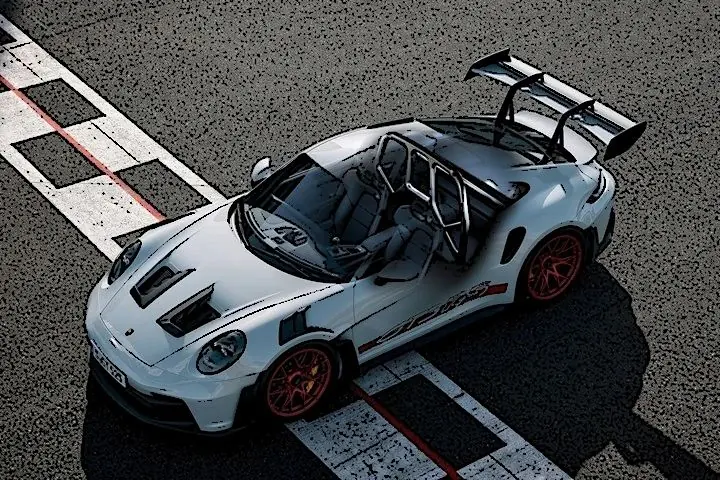
Carbon fiber revolution! HRC challenges the limits of electric vehicle materials
As the global wave of vehicle electrification sweeps across the world, "lightweight" has become one of the key goals of automobile design. According to industry research, for every 10% reduction in vehicle weight, the range of electric vehicles is expected to increase by about 6%-8%. Therefore, how to effectively reduce the weight of the car body while meeting safety, cost and environmental protection requirements has become the focus of active competition between car manufacturers and supply chain manufacturers.
重點摘要
Executive Summary / Lead在全球車輛電動化浪潮席捲下,「輕量化」成為汽車設計的關鍵目標之一。根據產業研究,車重每減少 10%,電動車的續航可望提升約 6%-8%。因此,如何有效降低車體重量,同時滿足安全、成本與環保要求,已成為車廠與供應鏈廠商積極競逐的焦點。
As the global wave of vehicle electrification sweeps across the world, "lightweight" has become one of the key goals of automobile design. According to industry research, for every 10% reduction in vehicle weight, the range of electric vehicles is expected to increase by about 6%-8%. Therefore, how to effectively reduce the weight of the car body while meeting safety, cost and environmental protection requirements has become the focus of active competition between car manufacturers and supply chain manufacturers.
企業與產業背景
Company & Industry Context來自中國江蘇的 HRC 正是在此關鍵趨勢下脫穎而出,憑藉其在碳纖維複合材料技術上的深厚底蘊,結合垂直整合製造與閉環回收系統,提供一系列高性能、可量產且符合循環經濟原則的創新解決方案,為全球 OEM 客戶打造次世代汽車平台。
一體式混合碳纖維車架:輕量、安全與性能三者兼備
HRC from Jiangsu, China, stands out under this key trend. With its deep foundation in carbon fiber composite technology, combined with vertically integrated manufacturing and closed-loop recycling systems, it provides a series of innovative solutions that are high-performance, mass-produced and consistent with circular economy principles to create next-generation automotive platforms for global OEM customers.
One-piece hybrid carbon fiber frame: lightweight, safe and performant
挑戰與重要性
Challenge / Why It MattersHRC 獨家開發的混合碳纖維單體車架(Hybrid Monocoque)是其技術領先的代表作之一。該車架整合碳纖維與其他輕量材料,實現較傳統鋼鋁結構輕約 30% 的減重成果,其「輕量係數」達到業界罕見的 0.95。
為確保安全與剛性表現,該車架結構涵蓋逾十種先進連接技術,並在受力關鍵區域嵌入 PMI 發泡結構元件,以提升抗衝擊能力與操控穩定性。這項設計在滿足碰撞法規與行駛表現的同時,也為豪華車與高性能車款提供創新結構基礎。
The hybrid carbon fiber monocoque frame (Hybrid Monocoque) exclusively developed by HRC is one of its technologically leading masterpieces. The frame integrates carbon fiber and other lightweight materials to achieve a weight reduction of about 30% compared to traditional steel and aluminum structures, and its "lightweight coefficient" reaches 0.95, which is rare in the industry.
To ensure safety and rigidity, the frame structure includes more than ten advanced connection technologies, and PMI foam structural elements are embedded in key stress-bearing areas to improve impact resistance and handling stability. This design not only meets crash regulations and driving performance, but also provides an innovative structural foundation for luxury and high-performance vehicles.
At present, this frame has entered the world's largest mass production sequence of carbon fiber monocoque structures, setting a new benchmark for the use of carbon fiber as the main structural material in high-end mass-produced models.
行動、方案與執行
Action / Solution / Implementation目前,這款車架已進入全球最大規模的碳纖維單體結構量產序列,開創碳纖維作為主體結構材料應用於高端量產車型的全新標竿。
熱塑性複材(TPC):實現高效量產與可回收的突破性解方
針對大批量應用,HRC 推廣熱塑性複合材料(Thermoplastic Composites, TPC)技術,應用於車門模組、電池模組外殼等關鍵結構件。該技術採用壓縮與注塑結合的製程,在單一成型循環內同步實現結構與裝飾功能,省略傳統黏著步驟。
這一全自動流程帶來顯著效益:
HRC 表示,TPC 技術將是車用結構件從高階手工製程邁向標準化、自動化量產的關鍵跳板,特別對於追求輕量與永續並重的車廠而言,極具吸引力。
美學與性能兼具:設計導向的碳纖維部件
在造型與美學方面,HRC 也積極開發兼具功能性與視覺識別的碳纖維部件。例如其全碳纖維輪圈,相較傳統金屬輪圈可減重逾 40%,顯著降低懸吊負荷,提升操控與加速性能。
Thermoplastic Composites (TPC): A breakthrough solution for efficient mass production and recyclability
For high-volume applications, HRC promotes thermoplastic composites (TPC) technology for key structural parts such as door modules and battery module casings. This technology uses a process that combines compression and injection molding to simultaneously achieve structural and decorative functions within a single molding cycle, omitting the traditional adhesion step.
This fully automated process delivers significant benefits:
HRC said that TPC technology will be a key springboard for automotive structural parts from high-end manual processes to standardized and automated mass production. It is especially attractive to car manufacturers that pursue both lightweight and sustainability.
Aesthetics meets performance: design-oriented carbon fiber components
In terms of styling and aesthetics, HRC is also actively developing carbon fiber parts that have both functionality and visual identity. For example, its full carbon fiber rims can reduce weight by more than 40% compared to traditional metal rims, significantly reducing suspension loads and improving handling and acceleration performance.
證據、成果與影響
Evidence / Results / Impact另一項代表作品為後保險桿下飾件,其空力導流設計靈感源自賽道技術,左右兩側設有高聳且銳利的導流鰭片,裸露的碳纖編織紋理帶出強烈的性能氛圍,不論靜態或動態皆展現強烈存在感。此類部件為高性能與豪華車型提供差異化設計語言,進一步強化品牌識別。
閉環再生體系:打造碳纖維材料的第二生命週期
面對碳纖維材料「難以回收」的產業痛點,HRC 則以專利微波熱解技術實現破局。該技術可將廢棄碳纖維轉化為再生碳纖維(rCF),再透過熱塑性加工製成具商業價值的汽車零部件,如儀表板支架、內裝結構件等。
Another representative work is the rear bumper lower trim. Its aerodynamic airflow design is inspired by track technology. There are tall and sharp airflow fins on the left and right sides. The exposed carbon fiber woven texture brings out a strong performance atmosphere, showing a strong sense of presence whether static or dynamic. Such components provide a differentiated design language for high-performance and luxury models, further strengthening brand identity.
Closed-loop regeneration system: creating the second life cycle of carbon fiber materials
Faced with the industrial pain point that carbon fiber materials are "difficult to recycle", HRC uses patented microwave pyrolysis technology to achieve a breakthrough. This technology can convert waste carbon fiber into recycled carbon fiber (rCF), which can then be made into commercially valuable automotive parts through thermoplastic processing, such as instrument panel brackets, interior structural parts, etc.
This model not only extends the material life cycle, but also significantly reduces the carbon footprint and raw material requirements, fully implementing the green manufacturing concept of "from waste to product". For car manufacturers, this means that the material strategy is no longer just a single purchase and scrapping, but an innovative partnership in the "resource circular economy".
產業與制度意涵
Industry & Institutional Implications這一模式不僅延長材料生命週期,也大幅降低碳足跡與原材料需求,充分實踐「從廢料到產品」的綠色製造理念。對於車廠來說,這代表材料策略不再只是單次採購與報廢,而是一種「資源循環經濟」的創新合作關係。
展望未來:技術創新 + 綠色製造 = 新世代汽車供應鏈核心
Looking to the future: technological innovation + green manufacturing = core of new generation automotive supply chain
SNN 編輯與揭露前證據基礎設施觀點
SNN Editorial / Pre-Disclosure Evidence Infrastructure Perspective隨著全球對減碳、電動化與資源效率的要求日益嚴格,汽車產業已無法單靠傳統金屬與零件架構應對新挑戰。HRC 正在透過材料創新、流程整合與永續系統建設,為 OEM 提供「性能不妥協、環境不背負」的全方位解決方案。
As global requirements for carbon reduction, electrification and resource efficiency become increasingly stringent, the automotive industry is no longer able to meet new challenges solely by relying on traditional metal and component structures. HRC is providing OEMs with comprehensive solutions that “do not compromise on performance and are not environmentally burdensome” through material innovation, process integration and sustainable system construction.
未來展望
Future Outlook從結構車架、外觀部件到回收材料再利用,HRC 展現了碳纖維在量產車輛上的可行性與永續潛力,並為全球汽車產業的下一個轉型階段,鋪設穩固的材料科技基礎。
From structural frames and exterior components to the reuse of recycled materials, HRC demonstrates the feasibility and sustainable potential of carbon fiber in mass-produced vehicles and lays a solid material technology foundation for the next stage of transformation of the global automotive industry.
來源、證據鏈與責任編輯
主題中心:氣候與能源轉型
SNN.TW 原始刊登紀錄 ↗